

Not Fermented, Just Transformed
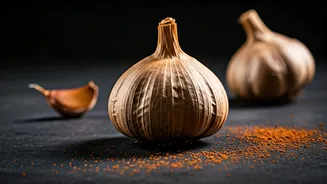
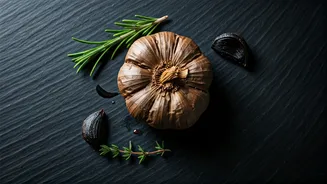
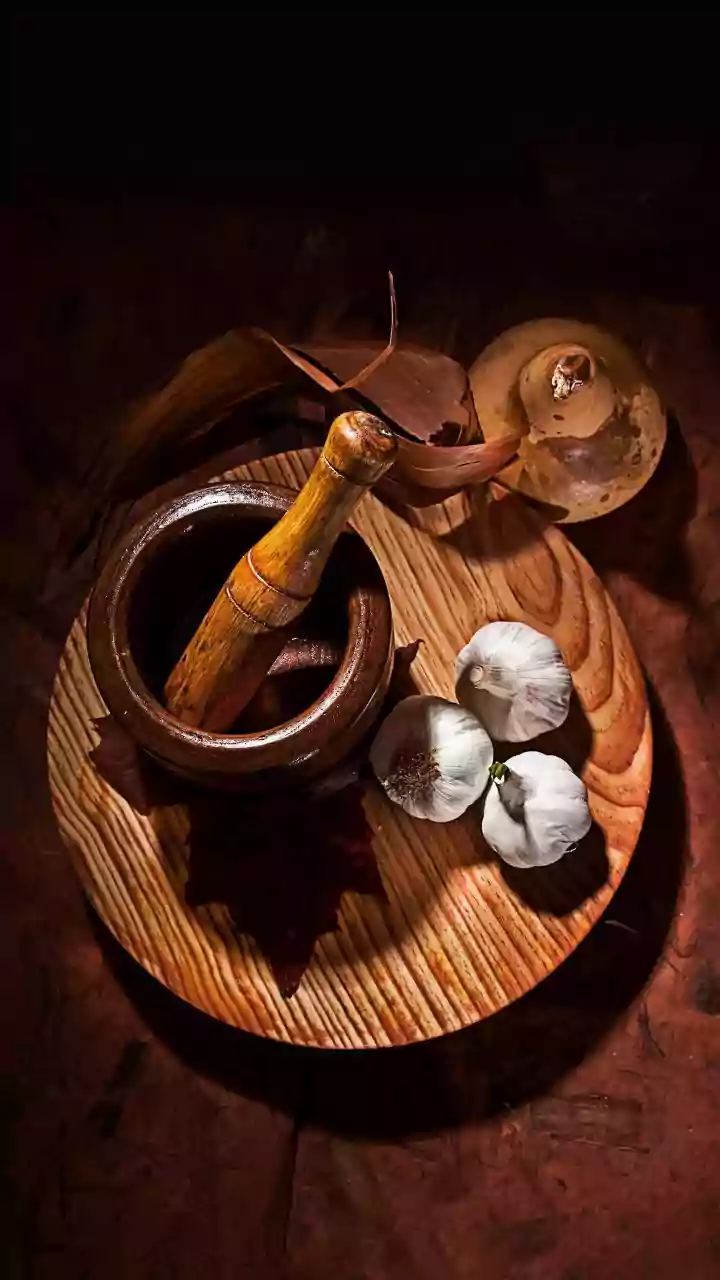
First, let's clear up a common misconception: black garlic isn’t a separate variety of garlic, nor is it fermented like kimchi or sauerkraut. It’s the result of a magical, low-and-slow transformation. Regular garlic bulbs are held at a consistent low heat
(around 140-170°F) in a high-humidity environment for several weeks. This isn't cooking; it’s aging. During this time, the cloves undergo the Maillard reaction—the same process that browns a steak or toasts bread—as enzymes break down sugars and amino acids. The result? The sharp, pungent white cloves turn a deep, squid-ink black, becoming soft, sticky, and shockingly sweet. The process fundamentally alters the garlic’s chemical makeup, taming its aggressive allicin compound and creating a completely new culinary ingredient.
Sweet, Savory, and Deeply Umami
If regular garlic is a blaring trumpet, black garlic is a cello. Its flavor profile is a complex symphony of sweet and savory notes that’s hard to pin down but impossible to forget. Imagine the mellow sweetness of a date, the tangy depth of a good balsamic vinegar, and the rich, savory undertones of soy sauce or tamarind. It’s packed with umami—that coveted fifth taste that provides a sense of deep satisfaction and makes flavors pop. The texture is soft and almost jelly-like, similar to a roasted clove of garlic but with a chewier, stickier consistency. Best of all, it delivers all this complexity without the characteristic “garlic breath,” making it a far more socially graceful way to enjoy garlic’s essence.
From Fine Dining to Your Kitchen
For years, black garlic was a secret weapon wielded by chefs in high-end restaurants, used to add an inscrutable depth to sauces, purees, and marinades. Its ability to elevate a dish with a single, complex ingredient made it a darling of modern American cuisine. But like many culinary trends, it has trickled down from the world of fine dining to the home kitchen. You might have seen it featured on a competitive cooking show or spotted it in the aisle of a well-stocked grocery store like Whole Foods or Trader Joe's. Its growing availability, coupled with its undeniable flavor power, has turned it from a niche novelty into a legitimate pantry staple for adventurous home cooks looking for an edge.
How to Use It Without Fear
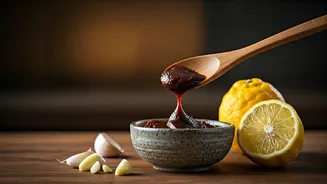
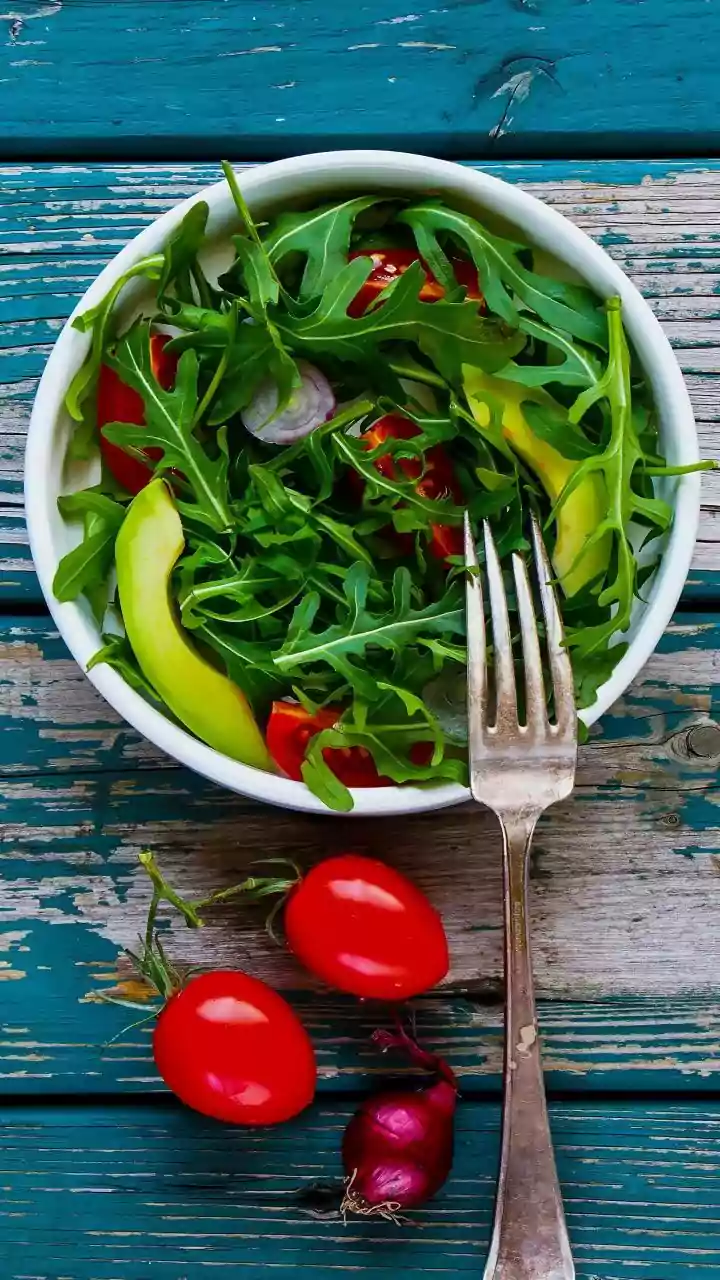
The exotic look and complex flavor of black garlic can be intimidating, but using it is surprisingly simple. Because it’s soft, it can be easily mashed, pureed, or chopped. You don't even need to cook it. Here are a few foolproof ways to get started: * **Compound Butter:** Mash a few cloves into softened butter with a pinch of salt and herbs. Spread it on crusty bread, melt it over a steak, or toss it with roasted vegetables. * **Vinaigrette:** Whisk a mashed clove into a standard balsamic or red wine vinaigrette. It will add a layer of sweetness and depth that transforms a simple salad. * **Pasta and Sauces:** Blend a few cloves into your favorite tomato sauce, cream sauce, or soup for an instant umami boost. * **Rubs and Marinades:** Puree black garlic with olive oil, herbs, and spices to create a potent marinade for chicken, pork, or beef. Its natural sugars help create a beautiful caramelized crust on the grill.