







The New Calculus of Vacationing
Welcome to the era of 'forecast-first' travel. For a growing number of India's 1.4 billion people, particularly the burgeoning middle class with disposable income, the decision-making process for a getaway has been completely upended. It’s no longer just
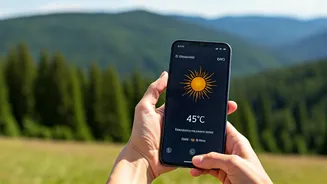
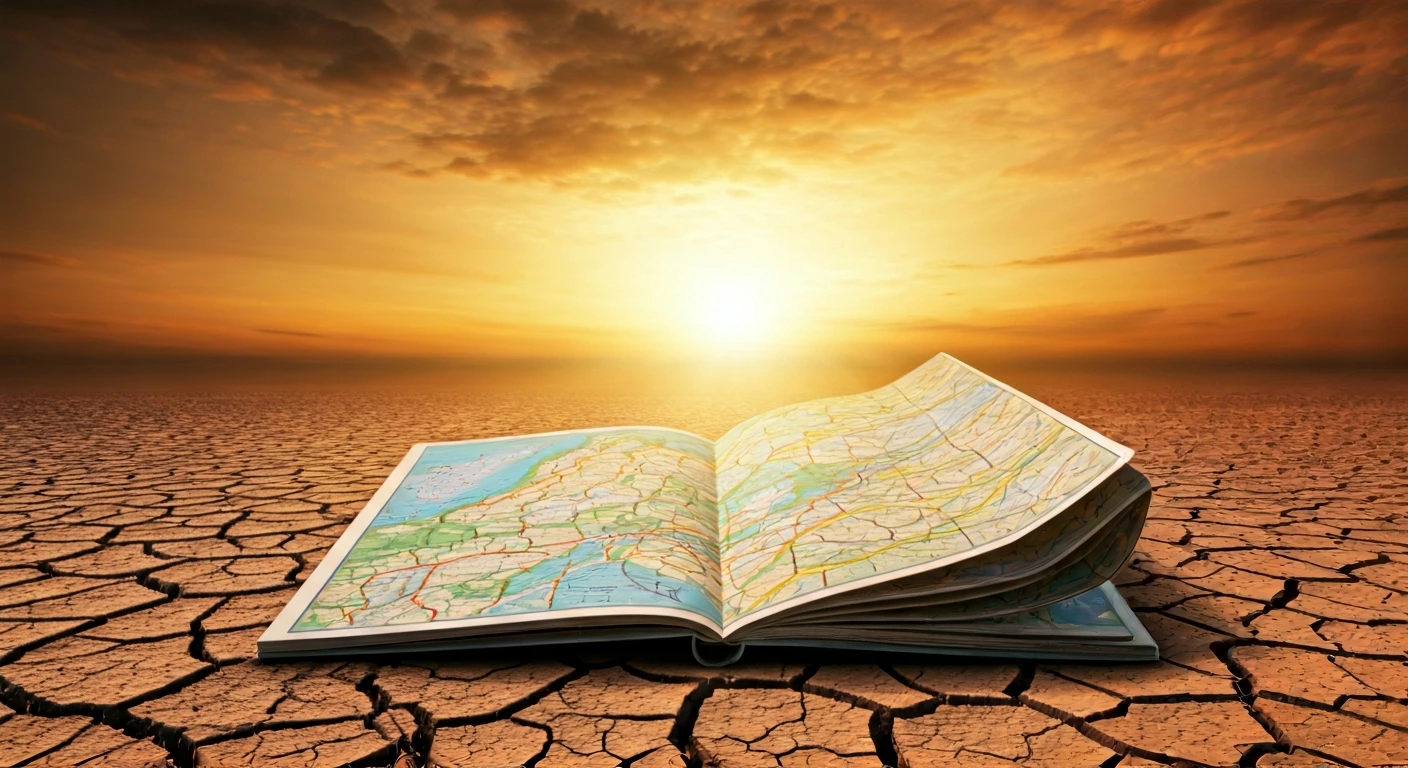
about securing cheap flights or booking a hotel during a festival weekend. The primary question has become: will the weather be manageable, or even survivable? This shift represents a profound change in consumer behavior, driven not by marketing trends but by the hard reality of a changing climate. Travelers are now acting as amateur risk assessors, poring over weather apps and news reports about heat domes and cyclonic patterns before even browsing for destinations. A trip isn’t a good deal if it’s spent indoors hiding from a 115-degree heatwave or getting stranded by a landslide.
Heatwaves Are Rewriting the Travel Map
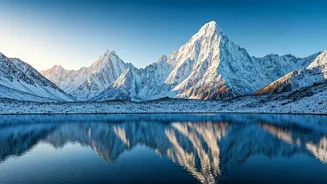
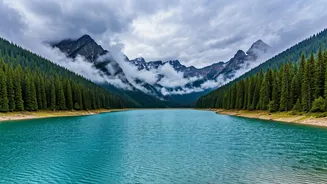
The single biggest driver of this trend is extreme heat. Recent years have seen India grapple with grueling, record-shattering heatwaves that make daily life, let alone leisure travel, unbearable. Traditionally popular summer destinations in the plains and northern cities become virtual kilns. As a result, a new travel pattern has emerged: the 'heatwave escape.' Millions now plan short, spontaneous trips from sweltering cities like Delhi and Mumbai to cooler 'hill stations' in states like Himachal Pradesh and Uttarakhand. But this creates its own problems. These mountain towns, not built for massive tourist influxes, face strained resources, traffic gridlock, and environmental pressure. The escape from one climate extreme inadvertently creates a new set of challenges in another.
An Increasingly Unpredictable Monsoon
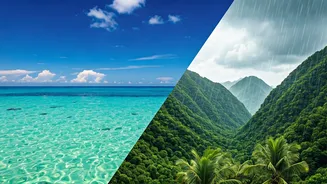
If summer travel is dictated by heat, monsoon travel is governed by fear of volatility. The Indian monsoon, once a predictable, life-giving season romanticized in culture and film, has become dangerously erratic. Intense, concentrated downpours now trigger flash floods and catastrophic landslides with alarming frequency. The devastating floods in Himachal Pradesh in 2023, which washed away roads, bridges, and hotels, served as a stark warning. Once-popular monsoon destinations are now viewed with caution. Travelers who might have once sought out the lush, rain-washed landscapes are now acutely aware that the very thing that makes the season beautiful can also make it deadly. The forecast is no longer about whether to pack an umbrella, but whether a road will exist in a week.
How the Travel Industry Is Adapting
India’s massive travel and tourism industry is scrambling to adapt to this new reality. Travel companies and online booking platforms are seeing booking patterns change in real time. There's a noticeable rise in last-minute bookings, as people wait for a clear weather window before committing. In response, some companies are offering 'flexible booking' options and 'weather-proof travel insurance' as major selling points. Marketing has also pivoted. Instead of just showcasing beautiful sights, tour operators now implicitly highlight safety and accessibility. Destinations are promoted not just for their beauty but for their pleasant microclimates. You'll see packages for 'air-conditioned travel' or trips to cooler, lesser-known coastal areas that get sea breezes, all designed to reassure the forecast-first traveler.