



Beyond the Postcard-Perfect Getaway
For generations, the monsoon season, particularly in South and Southeast Asia, was considered the “off-season.” Travel guides warned of washed-out roads, persistent rain, and canceled plans. The goal was to avoid it. But for a growing number of travelers,
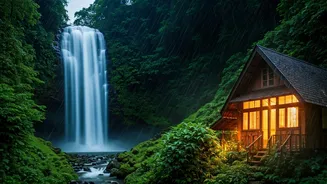
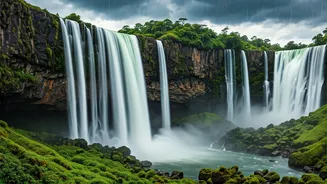
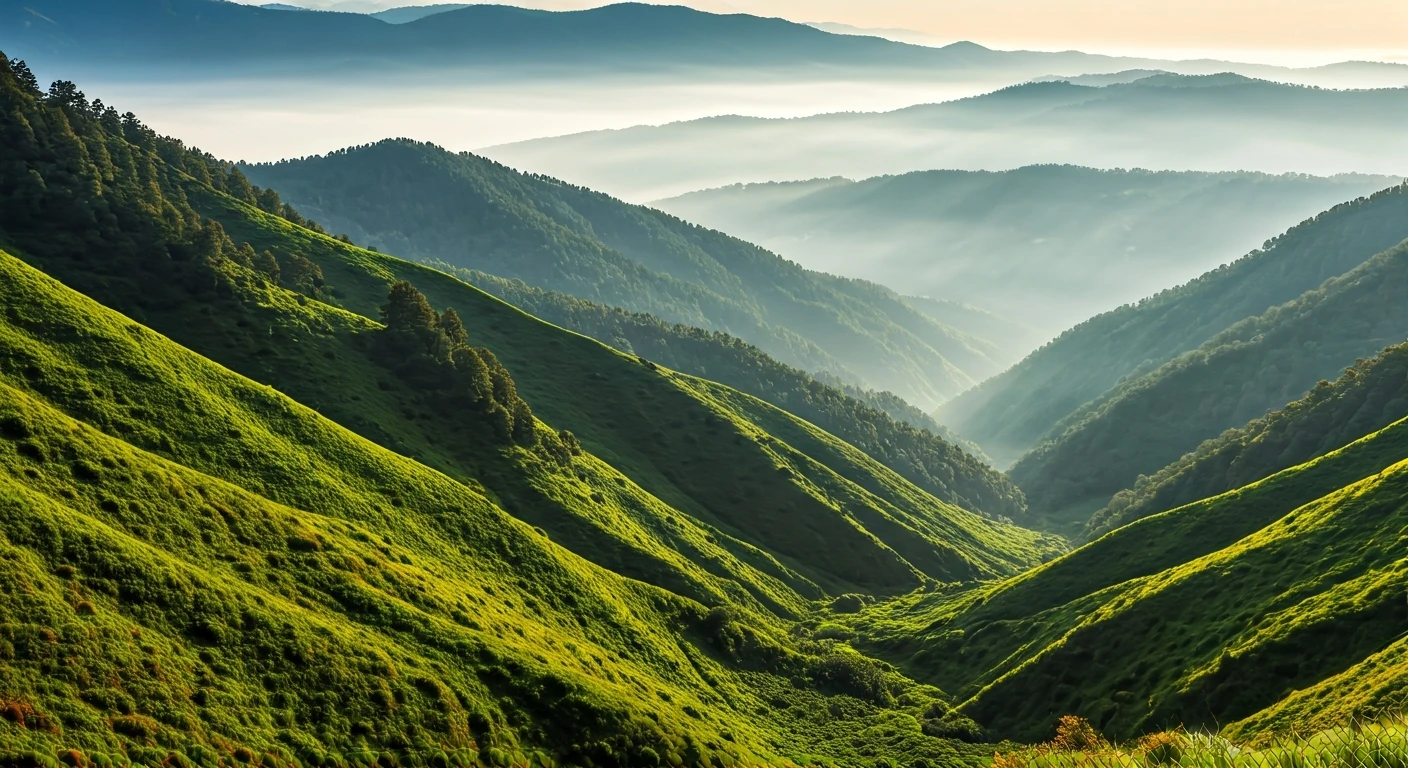
the dramatic skies, lush landscapes, and contemplative quiet of the rainy season are precisely the point. This isn't about ticking off landmarks from a list. It’s a deliberate turn away from the high-energy, sun-drenched vacation toward something more introspective and sensory. The shift reflects a broader change in what we seek from travel. In a world of over-filtered, hyper-curated digital lives, there is a craving for authenticity and atmosphere. The monsoon delivers this in spades. It’s an experience that can’t be easily packaged or replicated—the smell of wet earth (petrichor), the sound of rain on a tin roof, the sight of mist rolling through green hills. These aren't sights to be photographed as much as feelings to be absorbed.
Curating an Internal Landscape
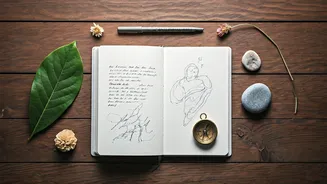
This is where the “mood board” concept comes in. A designer’s mood board isn’t a finished product; it’s a collection of textures, colors, and images that create a feeling and inspire a direction. A short monsoon trip functions in the same way for your inner life. You are not just going to a place; you are going to collect an aesthetic.
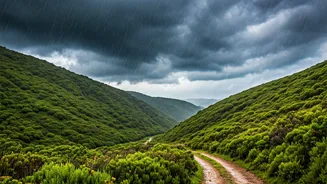
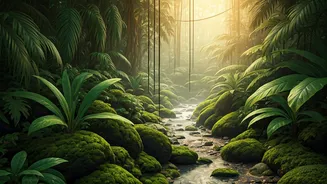
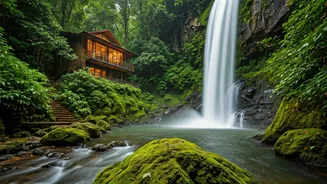
Think of the color palette: the deep, saturated green of freshly washed leaves against the moody gray of the sky. The texture of a damp stone wall covered in moss. The glint of a rain-slicked city street at night. The feeling of a warm cup of chai or coffee cradled in your hands as you watch the downpour from a dry, cozy perch. These sensory inputs become the raw material for creative thought, personal reflection, or simply a mental reset. It’s less about “What did you do?” and more about “How did it make you feel?”
The Art of Doing Nothing, Beautifully
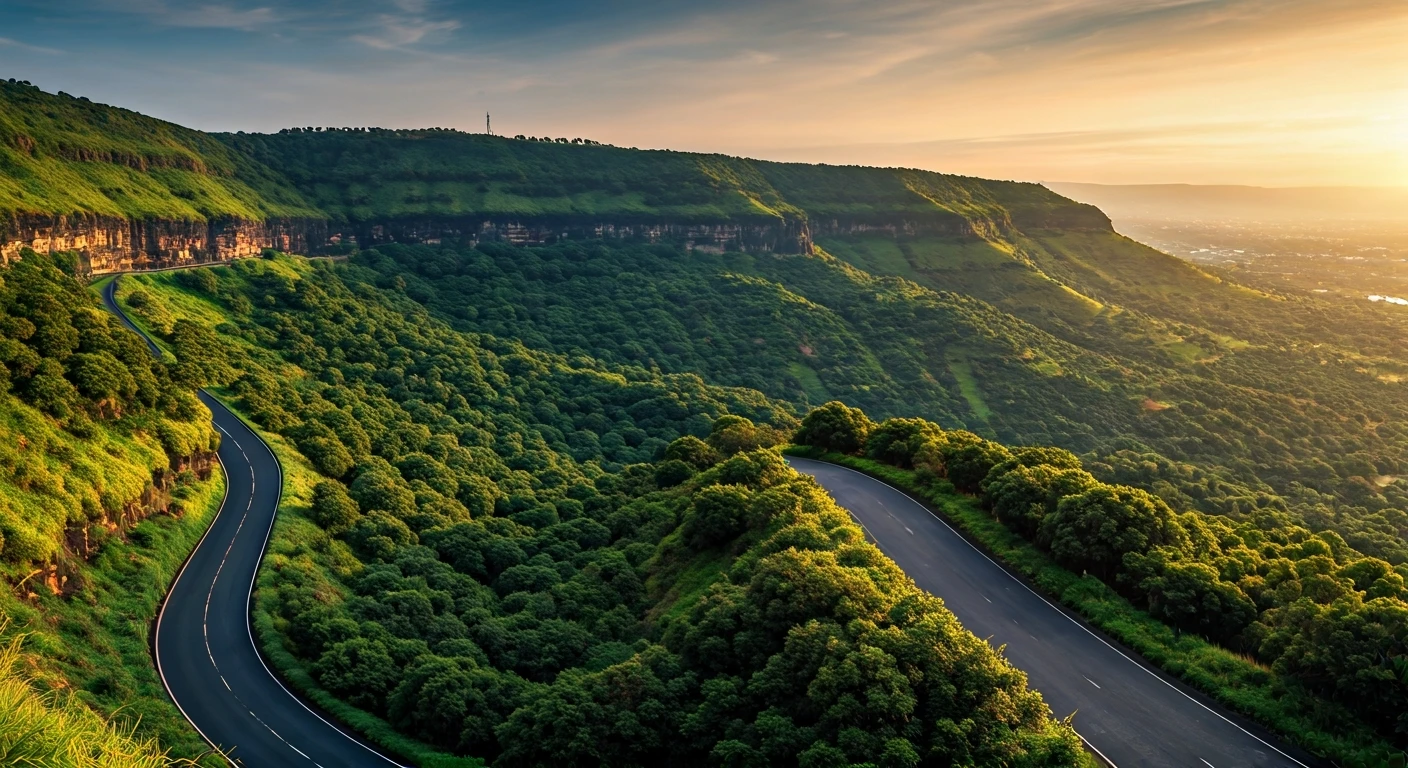
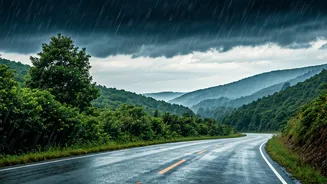
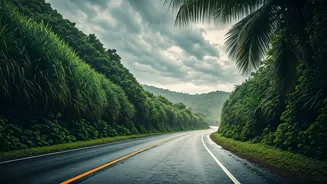
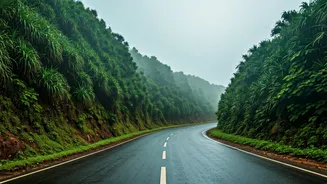
The itinerary for a monsoon mood board trip is often gloriously empty. The main activity is observation. It’s about finding a window seat in a café in a hill station and watching the clouds drift by. It’s taking a slow drive along a winding road where mist hangs low over the trees, forcing you to pay closer attention. It’s reading a book for hours, interrupted only by the rhythmic drumming of rain.
This kind of travel rejects the pressure to be constantly active and entertained. The rain itself provides the entertainment, a dynamic, ever-changing backdrop. Popular destinations for these short breaks are often just a few hours' drive from major urban centers—places like the Western Ghats near Mumbai and Pune in India, or the mountainous regions around Chiang Mai in Thailand. They offer a quick and dramatic escape from the city's noise into a world transformed by water.
A Weekend Dose of Atmosphere
The “short” aspect of this trend is crucial. A two- or three-day trip is the perfect container for such an intense atmospheric experience. It’s long enough to disconnect and soak in the mood, but not so long that the lack of sunshine or outdoor activities becomes a drag. It’s a concentrated dose of beauty, a micro-vacation designed for maximum sensory and emotional impact with minimal logistical fuss.
This approach aligns perfectly with modern work-life dynamics, where longer vacations are a luxury, but the need for a mental reset is constant. The short monsoon getaway acts as a pressure release valve. You return not necessarily with a tan, but with a renewed perspective, a mental scrapbook of moody, beautiful moments, and a sense of calm that lingers long after the trip is over.