


They Create Effortless Traffic Flow
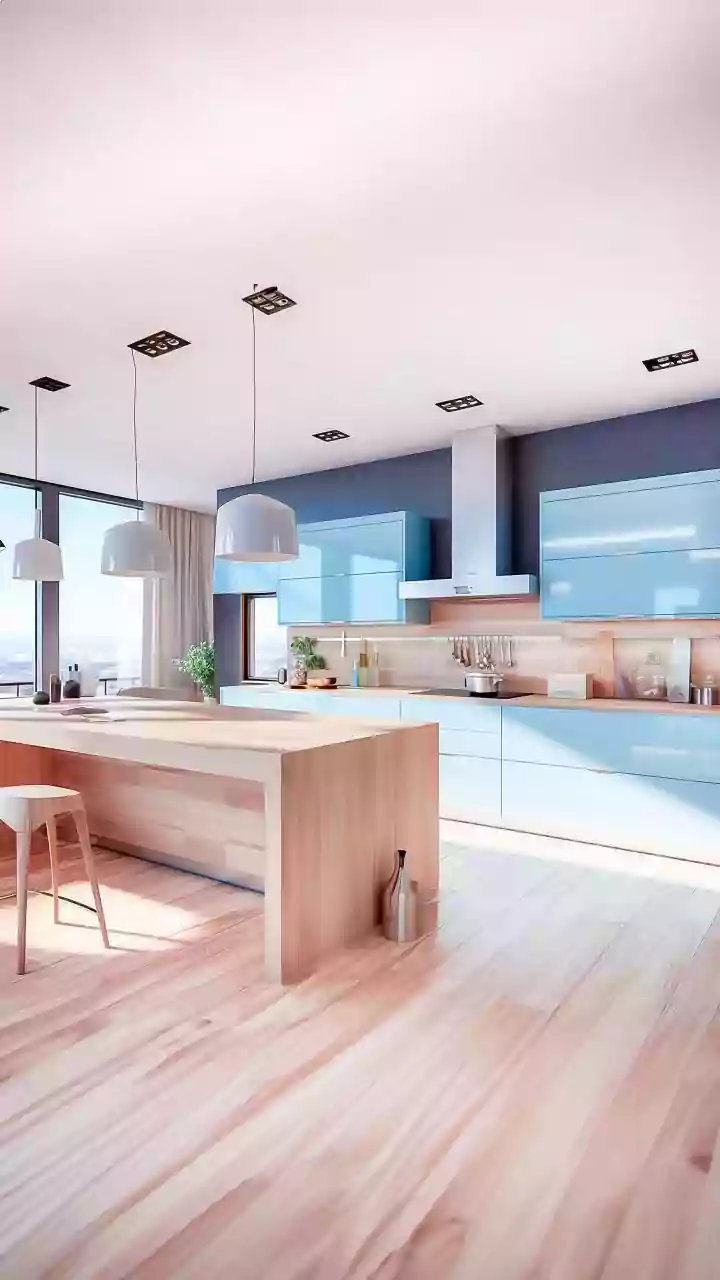
In the world of open-plan living, the kitchen island is a central hub that directs the movement of everyone in the space. A traditional rectangular island, with its sharp 90-degree corners, can create awkward pinch-points and obstacles. It forces traffic
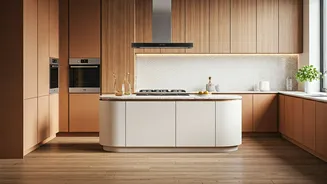
into rigid, angular paths. A rounded or curved island, by contrast, creates a more natural and fluid circulation pattern. There are no sharp corners to bump into as you carry a tray of drinks or as children chase each other through the house. The gentle curve guides movement, making the entire area feel more spacious, intuitive, and less congested, especially in high-traffic zones between the sink, refrigerator, and stove.
They Foster Better Social Interaction
A kitchen island isn't just a workspace; it's a social space. It’s where guests gather for a glass of wine, where kids do their homework, and where casual weeknight meals happen. The linear seating arrangement of a standard rectangular island can feel a bit like sitting at a diner counter—functional, but not particularly intimate. A curved island changes this dynamic completely. By angling the seating towards a central point, it encourages face-to-face conversation. People aren't just sitting in a row; they can easily see and talk to one another, creating a more communal and engaging atmosphere. This makes the island a more effective magnet for social connection, turning it into a true gathering spot.
They Soften a Room's Hard Edges
Modern kitchens are often defined by clean lines, hard surfaces, and a proliferation of right angles—from the cabinetry and countertops to the appliances and tile backsplash. While this creates a sleek, minimalist aesthetic, it can sometimes feel sterile or boxy. A rounded island introduces a powerful and welcome contrast. The organic curve breaks up the monotony of straight lines, adding a layer of visual softness and architectural interest to the room. It feels more sculptural and less utilitarian, instantly elevating the design. This gentle geometry can make the entire open-concept space feel more balanced, thoughtful, and welcoming, preventing the kitchen area from appearing like a collection of stacked boxes.
They Are A Safer Choice for Families
For households with young children, the kitchen can be a minefield of potential hazards. One of the most common—and painful—is a collision with a sharp corner. The pointed edges of a traditional granite or quartz island are at the perfect height to cause a nasty bump or cut for a running toddler. A rounded island design elegantly eliminates this problem. The smooth, continuous surface provides a much safer environment for the most active members of the family. This practical benefit provides peace of mind for parents, blending safety seamlessly with high-end design. It's a small detail that makes a huge difference in the day-to-day livability of a family home.
They Serve as a Natural Focal Point
Every great room needs a focal point, and in an open kitchen, the island is the natural candidate. While any large island can command attention, a curved one does so with undeniable flair. Its unique shape immediately draws the eye and signals a custom, high-design choice. You can amplify its impact by using a contrasting material for the base, a dramatic countertop stone with sweeping veins that follow the curve, or by installing statement pendant lighting that echoes its shape. A rounded island doesn't just occupy space; it defines it, transforming from a simple piece of functional cabinetry into a stunning centerpiece that anchors the entire open-plan area.