

The Double Decker Living Root Bridge Trail
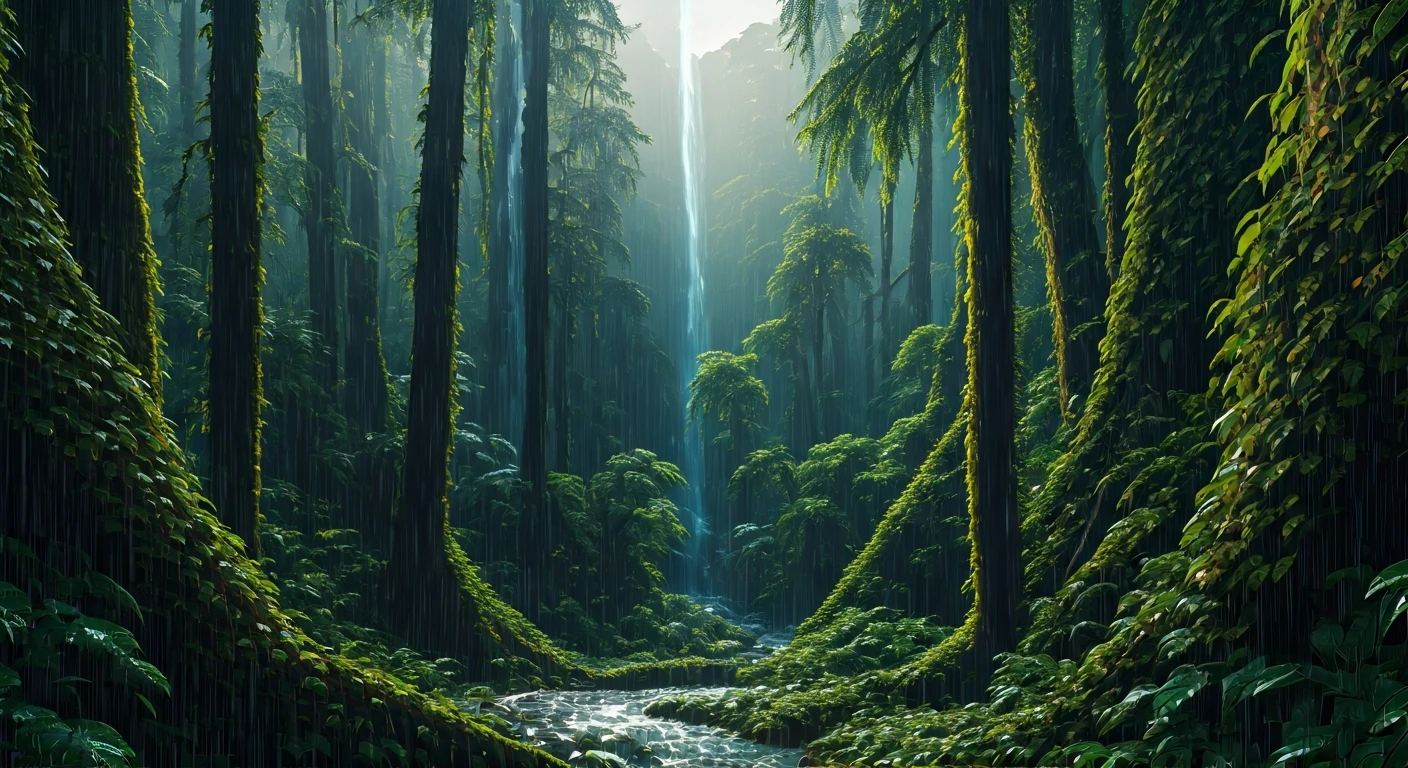
This isn't just a hike; it's a journey into a fantasy novel. The trek to the village of Nongriat is famous for its living root bridges, masterpieces of bio-engineering where the local Khasi people have for centuries guided the roots of rubber fig trees
across rivers to form sturdy, living crossings. The star of the show is the Umshiang Double Decker Bridge, two bridges stacked one above the other. The hike itself is a steep descent of over 3,000 steps through a humid, emerald-green jungle buzzing with the sounds of insects and birds. While the bridges are the main draw, the trail continues for another hour to the stunning Rainbow Falls, where on sunny days, a permanent rainbow hovers in the mist of the powerful cascade. It's a challenging but deeply rewarding experience that perfectly encapsulates Meghalaya's synthesis of nature and human ingenuity.
Nohkalikai Falls: A Legend in the Mist
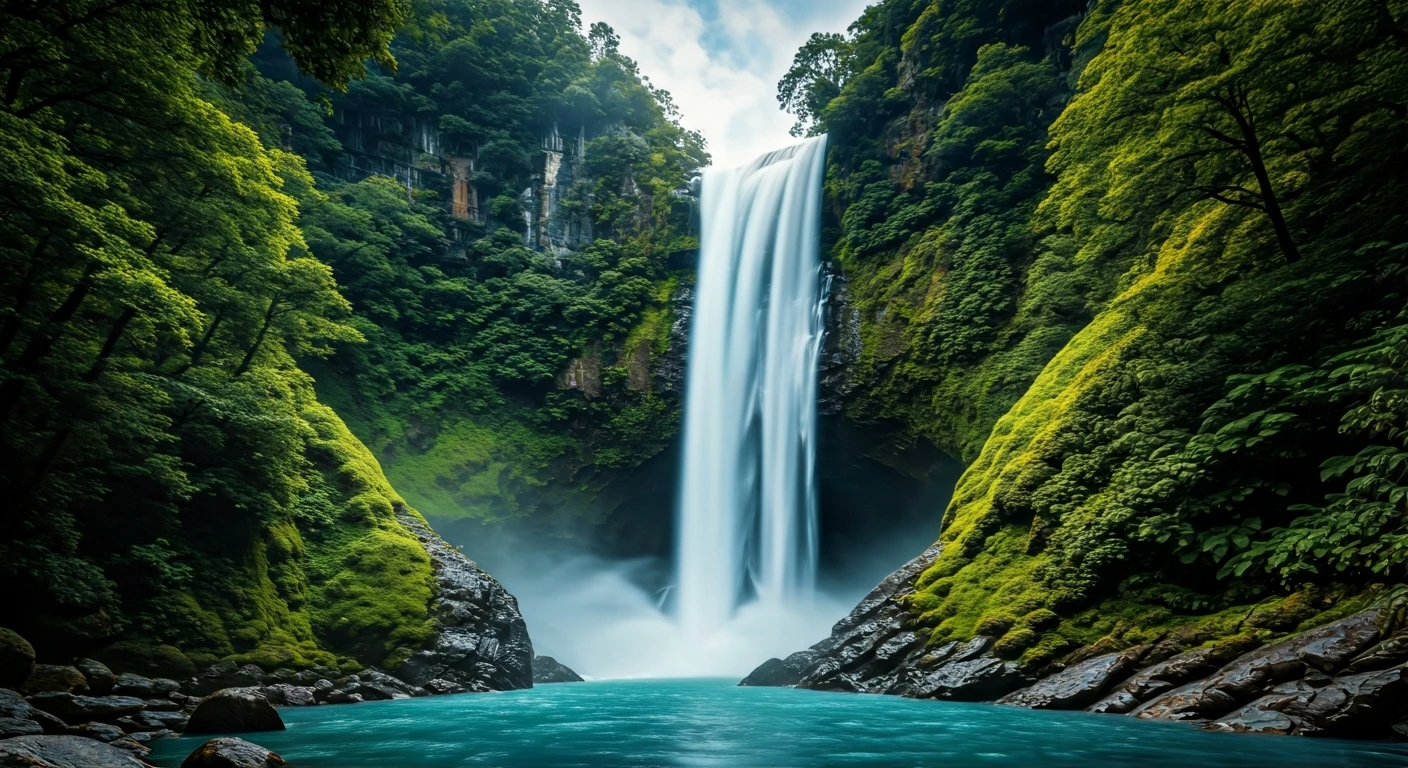
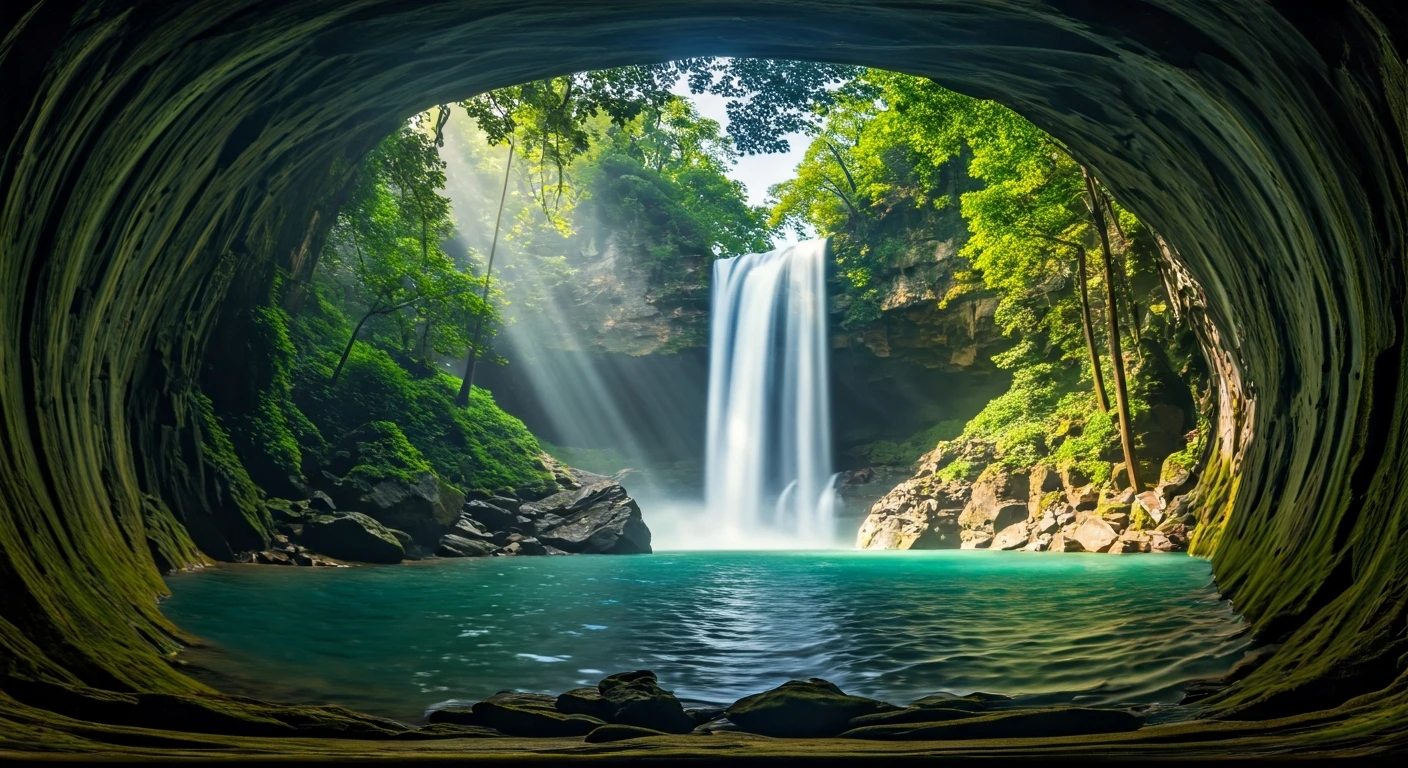
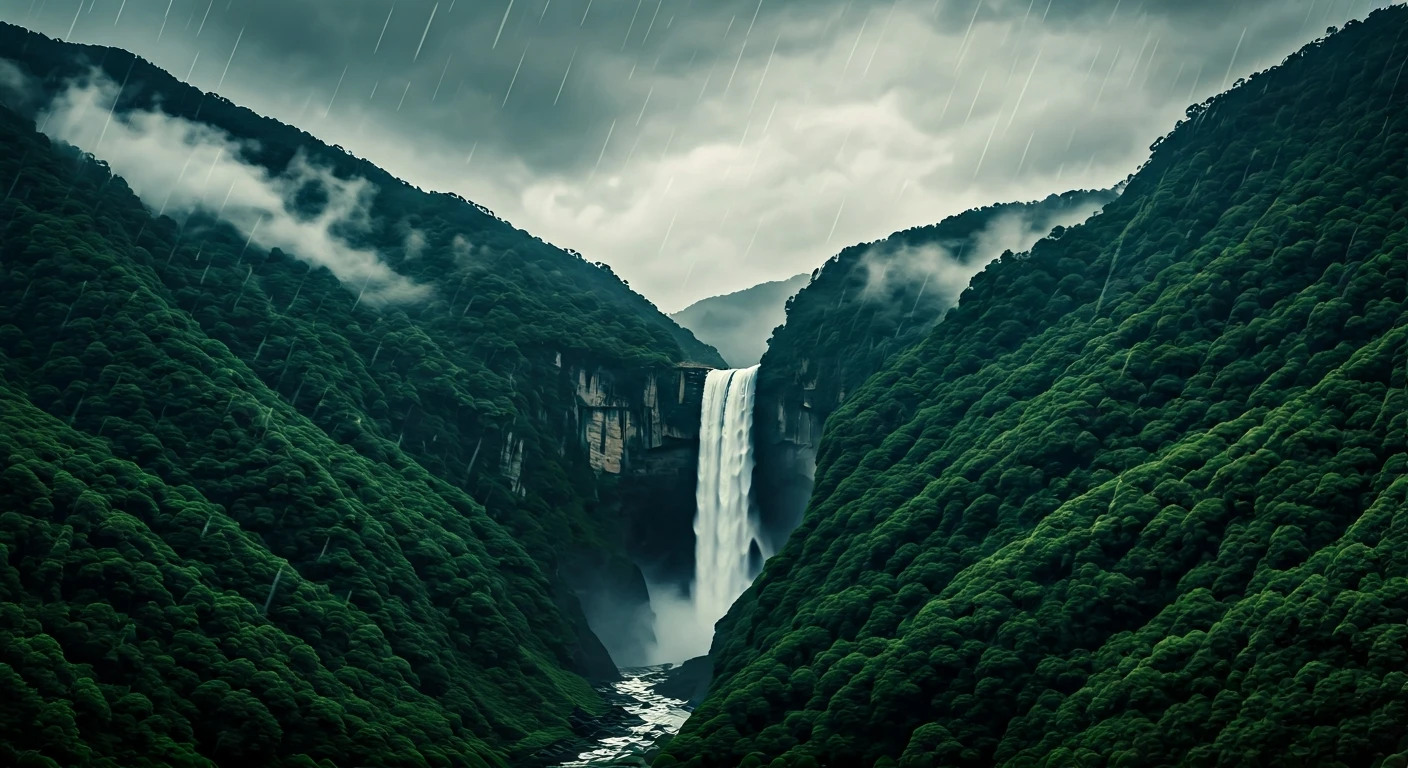
As India's tallest plunge waterfall, Nohkalikai is a sight of raw, untamed power. Located near Cherrapunji, one of the wettest places on Earth, the falls drop a staggering 1,115 feet from a verdant clifftop into a turquoise pool below. The view from the designated viewpoint is magnificent, especially during the monsoon when the water volume is at its peak. But the waterfall's beauty is tinged with a somber local legend. The name 'Nohkalikai' translates to 'Jump of Ka Likai,' referencing a story of a woman who, driven by grief, leaped to her death from the cliff. This tragic tale adds a layer of poignant history to the majestic landscape, reminding visitors that these natural wonders are deeply woven into the cultural fabric of the region.
Dainthlen Falls and Its Serpentine Story
Unlike the sheer vertical drop of Nohkalikai, Dainthlen Falls offers a different kind of spectacle. The waterfall is known more for the riverbed leading up to it, a vast, pot-holed expanse of rock that feels otherworldly. You can walk right up to the edge where the water begins its descent. According to Khasi legend, this area was once terrorized by a giant serpent, or 'U Thlen.' The people of the region vanquished the beast, and the strange markings on the rocks are said to be the scars left from their epic battle. The falls are most impressive during the monsoon, but the unique geological landscape makes it a fascinating visit year-round, offering a more interactive and less vertically intimidating waterfall experience.
Wei Sawdong: The Three-Tiered Wonder
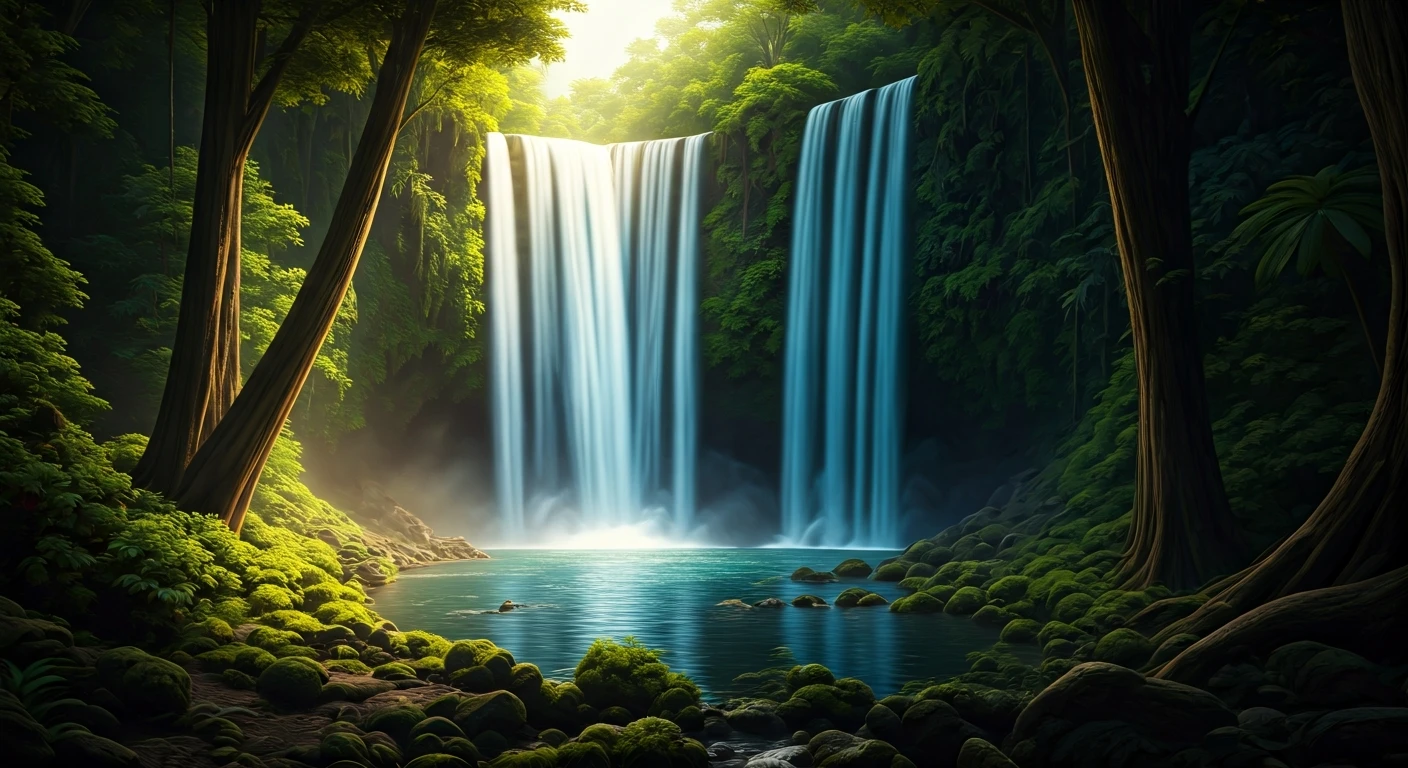
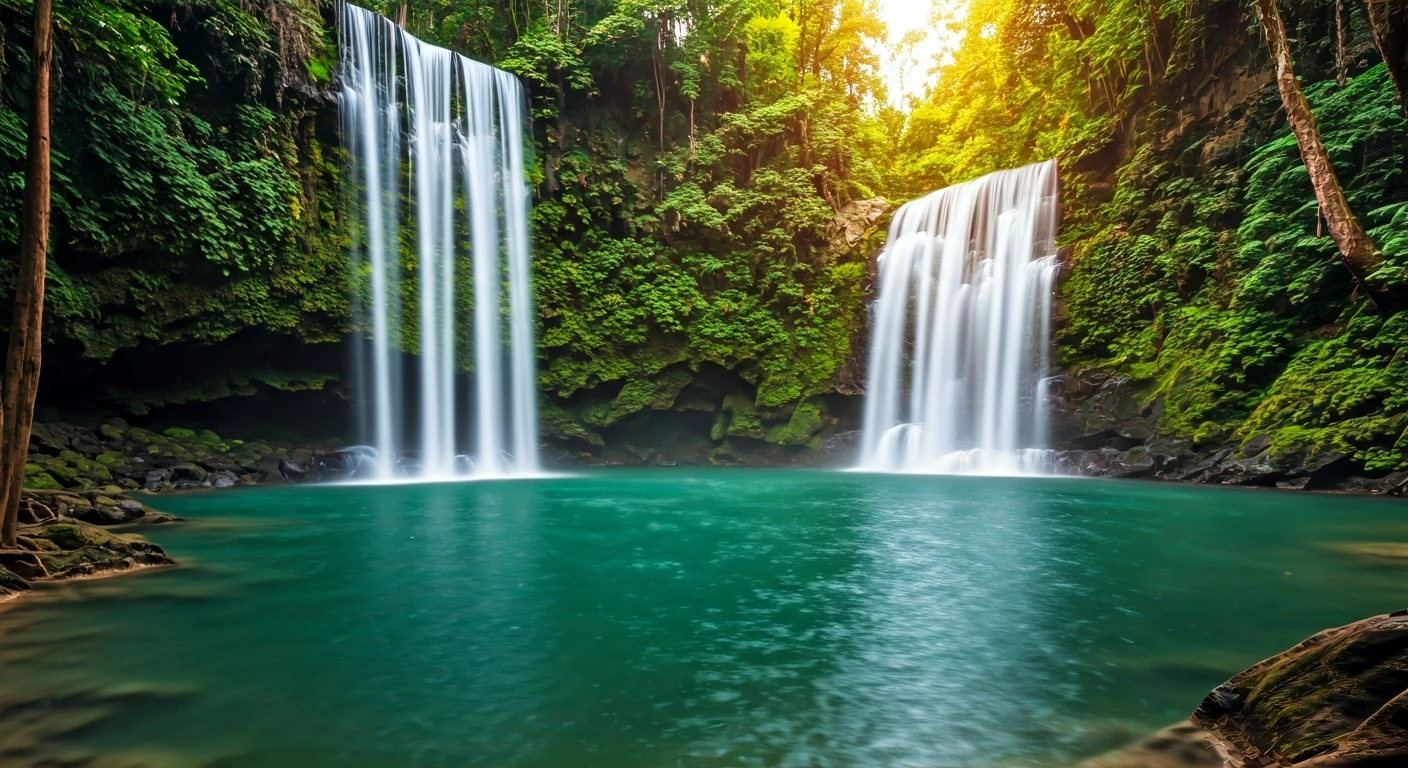
For those willing to venture a little further off the main tourist track, Wei Sawdong is a hidden gem. Reaching it requires a short but very steep and slippery trek, often involving crude bamboo ladders and holding onto tree roots for support. The effort is immediately forgotten upon arrival. The waterfall cascades beautifully over three distinct tiers, creating symmetrical, crystalline pools of stunning azure water. Its tiered structure makes it incredibly photogenic and feels like a secret paradise discovered. Because it’s less accessible than its more famous neighbors, you’re more likely to have this breathtaking spot to yourself, making the challenging descent entirely worthwhile for the intrepid traveler.
Elephant Falls: The Accessible Classic
Just a short drive from Shillong, the state capital, Elephant Falls is one of Meghalaya's most popular and accessible waterfalls. Its original Khasi name, 'Ka Kshaid Lai Pateng Khohsiew,' means 'The Three Step Waterfalls,' a more accurate description than its current moniker, which British officers gave it after a nearby elephant-shaped rock that was later destroyed by an earthquake. A series of well-maintained staircases and walkways allow visitors to easily view all three sections of the falls. While it may lack the wild, remote feeling of a Wei Sawdong or a Rainbow Falls, its convenience and tiered beauty make it a perfect introduction to the region’s aquatic treasures, especially for families or those on a tighter schedule.