





The Festival That Defies the Weather
In the northeastern Indian city of Guwahati, the annual monsoon isn't a deterrent; it’s an invitation. This is thanks to the Ambubachi Mela, one of the most significant and unique Hindu festivals in the country. A 'Mela' is a fair or gathering, but this
is no ordinary country fair. Held every June at the historic Kamakhya Temple, perched atop the Nilachal Hills, the event draws hundreds of thousands—sometimes millions—of pilgrims, ascetics, and curious travelers. While conventional tourism might dip due to heavy rains and potential travel disruptions, the Mela creates a concentrated, powerful surge of spiritual tourism that overwhelms the city’s infrastructure in the best possible way, filling hotels, taxis, and markets.
A Divine Legend of Fertility
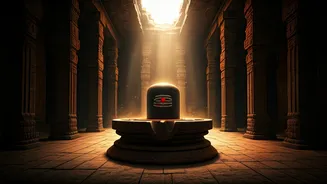
To understand the Mela's power, you have to understand the temple's story. The Kamakhya Temple is one of the most revered Shakti Peeths, or sacred sites dedicated to the feminine divine principle in Hinduism. The legend centers on the goddess Sati, and this temple is believed to house her yoni, or womb and vulva. The Ambubachi Mela is an annual celebration of the belief that the goddess—and by extension, Mother Earth herself—undergoes her yearly menstruation during this period. For four days, the temple's inner sanctum is closed. No worship or prayers are performed. The atmosphere is one of quiet reverence and anticipation, as devotees believe the land is at its most fertile. This isn't just a religious observance; it's a deeply rooted cultural celebration of creation, fertility, and the life-giving power of nature, themes that resonate powerfully with the concurrent arrival of the life-giving monsoon rains.
The Great Tantric Gathering
The Ambubachi Mela is often called the 'Mahakumbh of the East,' referencing the massive Kumbh Mela, but with a distinct focus. It is the single largest congregation of Tantric practitioners in the world. Reclusive sadhus (holy men), aghoris, and other mystics descend from their mountain and forest hermitages to offer blessings and showcase their spiritual practices. Their presence adds an element of profound mystique and turns the temple grounds into a living spectacle of faith. For devotees, seeing these ascetics is a crucial part of the pilgrimage. For international and domestic tourists, it’s a rare and intense glimpse into a side of Hinduism that is often shrouded in secrecy. This unique blend of mainstream devotion and esoteric spirituality is a huge part of its draw.
Turning Monsoon into Peak Season
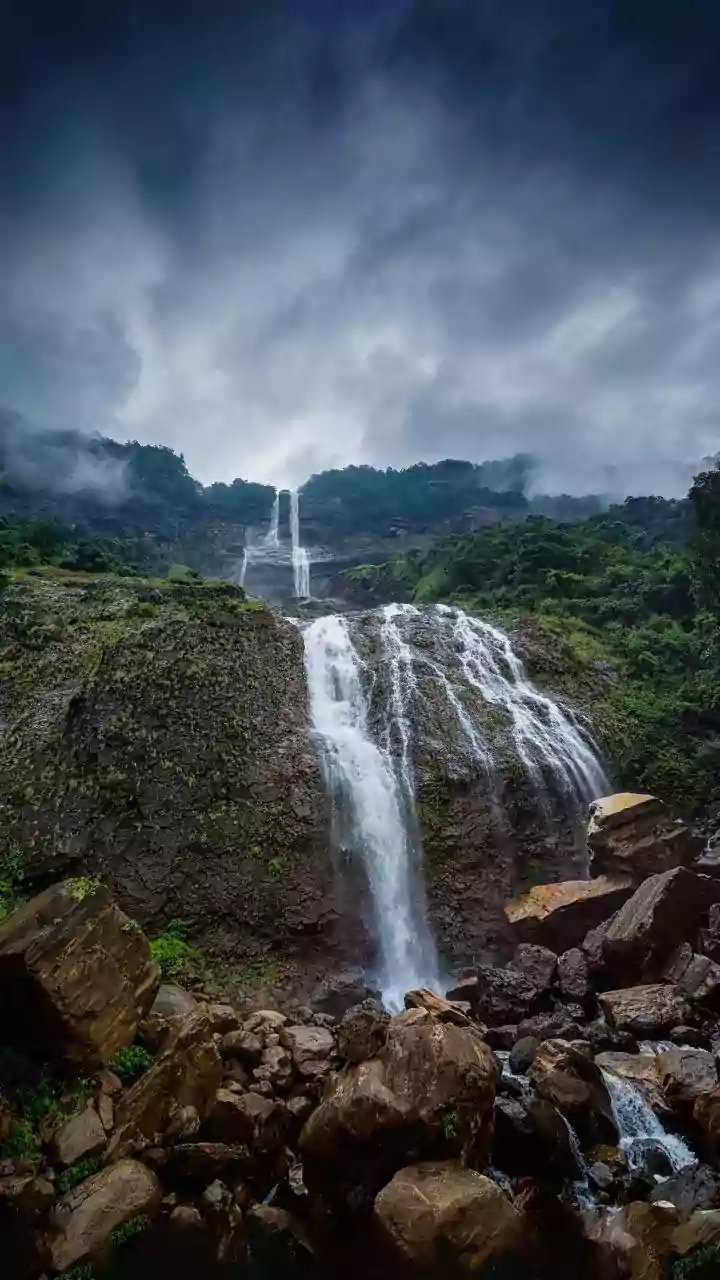
This is the key to Guwahati's monsoon 'surge.' The timing isn't a coincidence; it's the entire point. The festival's connection to menstruation, fertility, and the earth's renewal is intrinsically linked to the agricultural cycle and the arrival of the rains. For the hundreds of thousands who make the journey, the religious imperative completely overrides any practical concerns about the weather. They come not despite the monsoon, but because of it. This creates a predictable and massive economic boom for Guwahati precisely when other destinations would be in a lull. Local authorities gear up for months, arranging special transportation, massive temporary shelters, and heightened security to manage the colossal, city-altering wave of humanity. It’s a perfect case study in how deeply held cultural and religious beliefs can shape economic patterns, turning a season of climatic challenge into a period of peak prosperity and global attention.