

An Engine of Authentic Innovation
Before a new flavor of potato chip ever hits a focus group, its core elements have likely been tested and perfected on the streets of cities across America. Street food vendors and food truck owners are the unsung innovators of the culinary world. Unlike
large corporations, they are nimble, low-overhead, and directly connected to their customers. They can experiment with a new spice blend, a unique sauce, or a fusion concept on a Tuesday and get immediate, honest feedback by Wednesday. This creates a dynamic, real-world laboratory for flavor. There’s no marketing buffer, no layers of management—just a cook, an idea, and a hungry public. If a new dish like a kimchi-topped hot dog or a masala-dusted French fry is a hit, the proof is in the long line of customers. For the food giants watching from a distance, this is invaluable market research, served up for free. They see what flavor profiles have genuine cultural traction and a built-in audience before they invest a single dollar in development.
Case Study: The Elote Effect
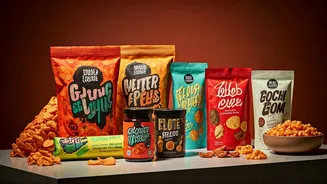
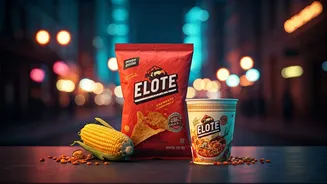
Perhaps no street food has made the leap to the snack aisle more successfully than elote, or Mexican street corn. For decades, it was a beloved staple: grilled corn on the cob slathered in mayonnaise or crema, sprinkled with cotija cheese, chili powder, and a squeeze of lime. It’s a perfect symphony of sweet, savory, creamy, spicy, and tangy. Over the past decade, as food trucks and festivals brought elote to a wider American audience, the snack industry took notice. Suddenly, “street corn” became a flavor descriptor. Trader Joe’s launched its wildly popular “Everything but the Elote Seasoning Blend.” Brands like Lay’s, Pringles, and Doritos have all released corn-chip variations inspired by its distinct flavor profile. This wasn’t a random invention; it was the direct adoption of a proven winner. The blueprint was clear: consumers already loved this combination, so the task was simply to translate its essence onto a crunchy, shelf-stable snack.
The Birria Boom and Social Media
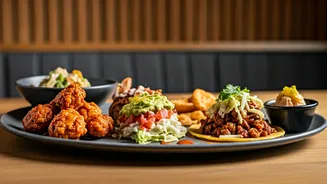
If elote shows a slow, steady migration from street to shelf, the recent birria boom demonstrates how social media has accelerated the process. Birria—a rich, savory, and complex stew from Jalisco, Mexico, traditionally made with goat—was adapted into beef birria tacos in Tijuana. These tacos, served with a side of the consommé for dipping, became an Instagram and TikTok sensation. The visual appeal of dipping a cheesy, beef-stuffed tortilla into a cup of steaming red broth was undeniable. Food trucks across the U.S. quickly adopted the trend, and the viral wave grew. It didn’t take long for corporate chains to follow. Taco Bell’s Grilled Cheese Dipping Taco is a direct, mainstream interpretation of the birria phenomenon. While they may not call it “birria” to avoid promises of authenticity they can’t keep, the DNA is unmistakable. It’s a textbook case of street-level virality providing a ready-made marketing campaign for a new product.
What’s Lost in Translation?
Of course, a packaged snack can never fully replicate the experience of eating the real thing. A birria taco’s magic comes from its texture contrast, temperature, and the fresh aroma of the consommé. The appeal of elote is tied to the smoky char of the grill and the messy, hands-on experience of eating it. Translating this to a potato chip or a frozen meal is the job of food scientists, who work to capture the key flavor notes—the “essence” of the dish. What often gets lost is nuance, texture, and a sense of place. A “street taco” flavored chip might nail the cumin and lime, but it can’t deliver the soft corn tortilla or the fresh cilantro and onion. The snack becomes an homage, an echo of the original. This isn't necessarily a bad thing. It introduces millions of people to new flavor combinations, acting as a gateway to seeking out the authentic original. The snack is the advertisement for the culture, even if it’s a simplified version.