


What Exactly Is ‘Fibermaxxing’?
Don’t let the intimidating, internet-forged name fool you. 'Fibermaxxing' is simply the practice of intentionally maximizing your daily intake of dietary fiber. It’s a direct response to the often-confusing world of wellness fads, superfood powders, and
expensive supplements. Instead of chasing novelty, adherents focus on a single, scientifically-backed nutrient that most Americans are severely lacking. The goal isn’t just to meet the recommended daily amount—about 25 grams for women and 38 grams for men—but to strategically increase it for noticeable benefits in digestion, energy levels, and long-term health. It’s about treating fiber not as an afterthought or 'roughage,' but as the cornerstone of a healthy diet.
From Internet Niche to Mainstream Goal
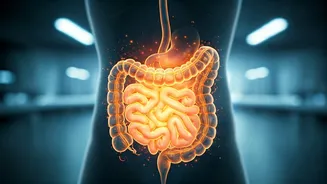
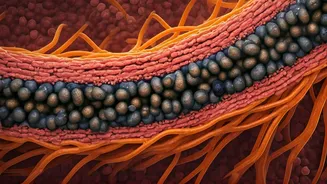
So why is this simple concept gaining traction now and being hailed as a future mega-trend? It’s the perfect storm of a few cultural shifts. First, there's a growing public fascination with gut health and the microbiome. As science continues to reveal the gut's profound connection to everything from mood and immunity to chronic disease, people are looking for actionable ways to support it. Fiber is the primary food for beneficial gut bacteria, making it the most direct route to a thriving internal ecosystem. Second, there’s a collective exhaustion with restrictive diets. Fibermaxxing is additive, not restrictive. You don’t have to cut out food groups; you just have to add more high-fiber foods. This positive framing makes it feel more sustainable and less like a punishment. Finally, the evidence is just too strong to ignore. On platforms like TikTok and Reddit, users share tangible results: less bloating, more stable blood sugar, feeling fuller longer, and improved regularity.
The Undeniable Benefits of Fiber
The science behind fiber is robust and long-established, which is what gives this trend its staying power. There are two types of fiber, and both are crucial. Soluble fiber, found in oats, beans, apples, and nuts, dissolves in water to form a gel-like substance. This helps lower cholesterol, stabilize blood glucose levels, and feeds good gut bacteria. Insoluble fiber, found in whole grains, vegetables like cauliflower, and legumes, doesn't dissolve. It adds bulk to stool, which promotes regularity and helps prevent constipation. Together, they are a powerhouse. A high-fiber diet is consistently linked to a lower risk of heart disease, stroke, type 2 diabetes, and certain types of cancer. It’s also a powerful tool for weight management, as high-fiber foods are more filling, helping you consume fewer calories overall without feeling deprived.
How to 'Fibermax' the Right Way
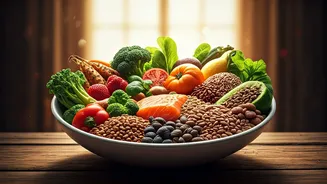
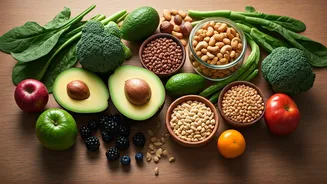
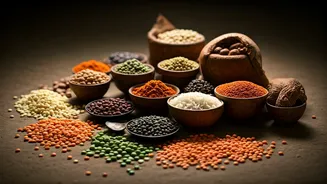
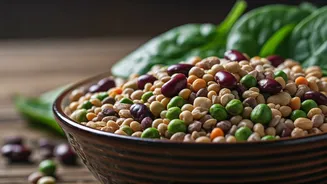
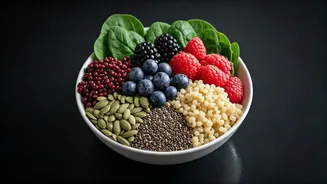
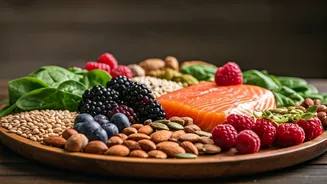
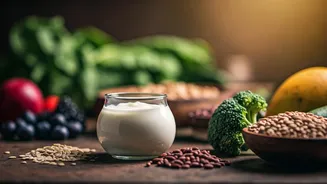
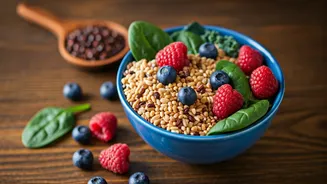
Jumping from 10 grams of fiber a day to 40 is a recipe for discomfort, including gas, bloating, and cramping. The key is to increase your intake gradually over several weeks to give your digestive system time to adapt. Start by adding one high-fiber serving to your daily routine, like a tablespoon of chia seeds in your yogurt or a cup of raspberries. As you add more fiber, you must also increase your water intake. Fiber needs water to do its job properly; without it, you can actually make constipation worse. Focus on whole food sources first, as they come packaged with vitamins, minerals, and antioxidants. Excellent choices include lentils, black beans, broccoli, avocados, pears, oatmeal, and quinoa. While fiber supplements can help bridge a gap, they shouldn't replace the benefits of nutrient-dense whole foods.