






The Tyranny of 'Eat Less, Move More'
Remember the food pyramid? Or the era when everything had to be low-fat, leading to a surge in sugar-laden “healthy” snacks? For a long time, mainstream diet advice operated on a simple, if punishing, premise: restriction. The core message, packaged in a thousand
different ways, was that your body was a simple calculator. If you ate less and moved more, you’d lose weight. Full stop. This approach demonized entire food groups, created cycles of guilt and shame, and ignored the vast complexities of human biology, genetics, and hormones. It treated a lack of willpower as the primary villain, rather than questioning whether the advice itself was flawed. This rigid model, known today as “diet culture,” promised a quick fix but often delivered a cycle of short-term results followed by rebound weight gain and a damaged relationship with food.
From Restriction to Addition
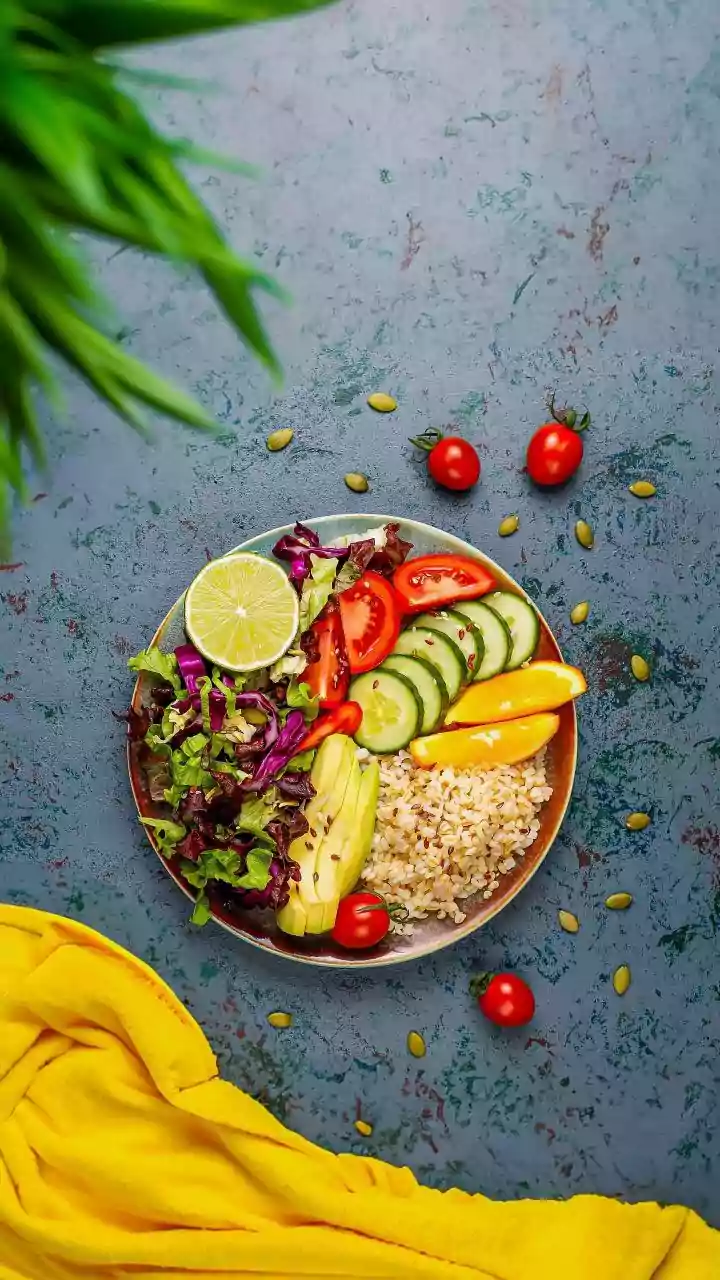
The new wave of nutrition guidance is flipping the script. Instead of asking “What can I cut out?” the question is becoming “What can I add in?” This shift is profound. The focus is moving away from deprivation and toward nourishment. Rather than obsessing over calorie deficits, modern dietitians and wellness experts are emphasizing the importance of adding fiber for gut health, protein for satiety, and healthy fats for hormonal balance. This “addition” mindset is less about forbidding foods and more about crowding out less-nutritious options with things that make you feel genuinely good. Concepts like “intuitive eating”—learning to listen to your body’s hunger and fullness cues—are gaining traction, encouraging people to break free from external rules and rebuild trust in their own internal signals. It’s a move from a battle against your body to a partnership with it.
Your Body, Your Data
Another major driver of this change is technology. The rise of wearable tech, particularly continuous glucose monitors (CGMs), has demystified one of the most personal aspects of health: metabolic response. Previously available only to diabetics, CGMs give users real-time feedback on how their blood sugar reacts to specific foods, sleep patterns, and stress levels. Seeing that a “healthy” bowl of oatmeal spikes your blood sugar while a different meal keeps it stable is a revelation. It shatters the myth of universal “good” and “bad” foods. This personalized data empowers individuals to move beyond generic advice and build an eating style tailored to their unique biology. It’s no longer about following a guru’s meal plan; it’s about understanding your own body’s operating manual and making informed choices based on direct feedback.
The Cultural Backlash Did Its Job
This evolution isn’t just happening in clinics and labs; it’s a cultural phenomenon. For years, the body positivity and anti-diet movements have been chipping away at the foundation of diet culture. On platforms like TikTok and Instagram, a new generation of creators, including registered dietitians and doctors, are vocally challenging outdated beauty standards and promoting concepts like “Health at Every Size.” They’re exposing the psychological damage caused by restrictive eating and celebrating a more inclusive vision of well-being. This online conversation has normalized talking about the mental toll of dieting and has given millions a vocabulary to push back against unsolicited advice and food shaming. The market is responding, with a growing number of brands and experts adopting a more holistic, weight-neutral, and compassionate tone. They’ve realized that people are tired of being sold shame.