





For History Buffs: Lodhi Garden
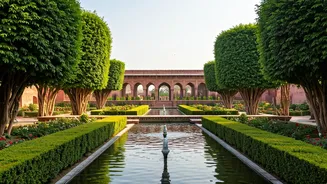
Imagine Central Park, but with 15th-century Turko-Afghan tombs scattered among its rolling lawns. That’s Lodhi Garden, the city’s most elegant and accessible green space. It's the perfect starting point for your natural discovery tour. The air here feels
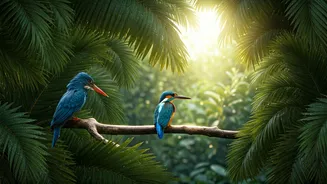
different—cooler, cleaner, and filled with the chatter of parakeets. As you walk the stone pathways, you'll see families picnicking, joggers getting their morning miles, and yoga enthusiasts finding their zen. But look closer, and you'll find a thriving ecosystem. The massive, shady trees are home to majestic Indian grey hornbills, their casque-topped heads a prehistoric marvel against the urban sky. Look for woodpeckers, babblers, and sunbirds flitting between flower beds. It’s the rare place where you can contemplate a centuries-old mausoleum while being serenaded by a chorus of birds, proving that in Delhi, history and nature are inseparable.
For Urban Adventurers: Sanjay Van
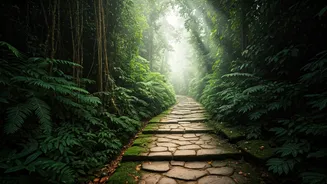
Covering a sprawling 780 acres, Sanjay Van is less a manicured park and more a reclaimed urban forest. This is where you go for a true sense of wildness within the city limits. A network of meandering trails cuts through dense thickets of thorn forest, a landscape that feels a world away from the traffic-clogged streets outside its borders. The area is a hotspot for birdwatchers, especially those hoping to spot owls, Eurasian golden orioles, and even the occasional peacock. The quiet, slightly eerie atmosphere—local lore is full of ghost stories here—makes a walk feel like a genuine adventure. The forest floor is a tapestry of fallen leaves and knotted roots, and the air is thick with the scent of damp earth. It’s a powerful reminder that nature is always ready to reclaim its space, and it provides a deeply restorative escape for anyone needing a break from the concrete.
For the Serious Birder: Okhla Bird Sanctuary
If your idea of a good weekend involves binoculars and a field guide, Okhla Bird Sanctuary is your pilgrimage site. Situated on the banks of the Yamuna River, this wetland habitat is one of the most important bird areas in the region. During the winter migration (typically October to March), the sanctuary becomes a bustling international airport for birds. Thousands of ducks, geese, and waders arrive from as far as Siberia and Central Asia, transforming the marshlands into a riot of sound and motion. You might spot the beautifully patterned Bar-headed Goose or the stately Greylag Goose. Even outside of peak season, Okhla is home to a rich diversity of resident water birds and raptors. It’s a bit more rugged than a city park, requiring patience and a keen eye, but the payoff—witnessing this incredible concentration of avian life—is immeasurable.
For a Dose of Deep Ecology: The Northern Ridge
Often called Delhi’s “green lung,” the Northern Ridge is not just a forest; it’s a geological and ecological treasure. As the northernmost extension of the ancient Aravalli mountain range, this rocky, arid woodland is the original landscape of Delhi. Hiking its trails feels like stepping back in time. The dominant tree is the native Kikar, a thorny acacia perfectly adapted to the dry conditions, and you’ll share the path with rhesus macaques and an astonishing variety of insects and birds. The Ridge is also dotted with historical remnants, from forgotten British-era buildings to a towering statue of the monkey god Hanuman. It’s a place that teaches you about resilience—both of the ecosystem that has survived centuries of change and of the city it sustains. A weekend morning spent here isn’t just a walk; it’s a lesson in environmental history.