
From Kitchen Staple to Center Stage
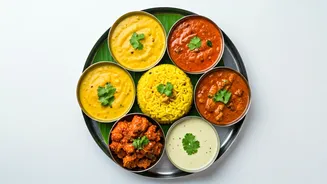
For generations of Indian families, ingredients like millet, moringa (drumstick leaves), and sour kokum were simply part of the daily rhythm of home cooking—nutritious, affordable, and deeply familiar. They weren't considered glamorous or worthy of a special
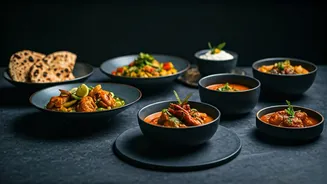
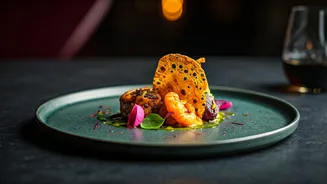
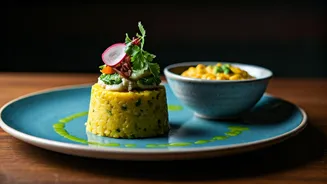
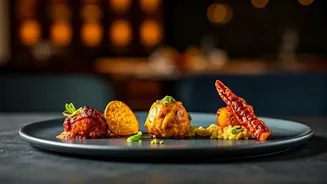
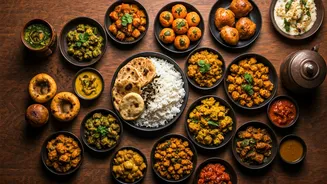
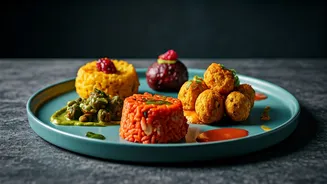
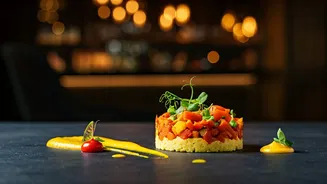
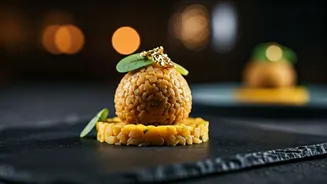
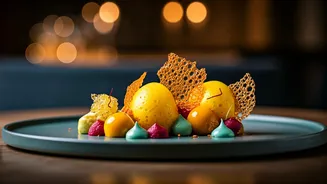
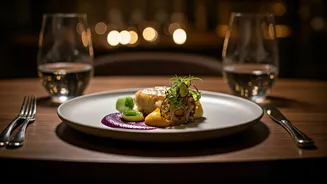
occasion. But in the landscape of modern American dining, that's changing fast. High-end restaurants from New York to Miami are building entire concepts around these very ingredients, presenting them in exquisitely plated, technically ambitious dishes that command premium prices. Turmeric lattes were just the gateway. Now, we’re seeing jackfruit treated like boutique barbecue, amaranth seeds puffed into delicate garnishes, and ancient grains like ragi and jowar taking the place of risotto or quinoa on tasting menus. This isn't just about adding an 'exotic' twist; it's a fundamental rethinking of what constitutes luxury.
The New 'It' Ingredients
At the heart of this movement are specific ingredients finally getting their moment in the spotlight. Take jackfruit. Long used in South and Southeast Asian savory dishes as a hearty vegetable, it’s now a darling of the plant-based scene, celebrated for its 'meaty' texture. But chefs are pushing past the simple 'pulled-pork' analogue, using it in complex curries and even avant-garde preparations. Then there are the millets. These drought-resistant, nutrient-dense ancient grains were once considered 'poor man's food' in many parts of India, overshadowed by rice and wheat. Now, chefs like Niven Patel at Ghee in Miami—who grows many of his own ingredients—champion them for their nutty flavor, textural variety, and sustainable footprint. Similarly, moringa, a superfood known for its wellness benefits, is moving beyond powders in smoothies and appearing as a fresh, vibrant green that adds a unique, slightly bitter complexity to sauces and soups. Even humble lentils (dal) are being deconstructed and reimagined, served with foams, flavored oils, and artisanal breads.
Chefs as Cultural Storytellers
This trend isn't happening in a vacuum. It's being driven by a generation of Indian-American chefs who are confident in their heritage and skilled in the techniques of global fine dining. Chefs like Chintan Pandya of Dhamaka and Semma in New York have earned Michelin stars by explicitly rejecting the homogenized, Anglicized 'Indian food' that dominated the U.S. for decades. Instead of focusing on dishes designed to please a Western palate, they are cooking food that tells a specific, regional, and personal story. For them, using an ingredient like goat intestines or a specific wild herb isn't for shock value; it's an act of cultural preservation and assertion. They are using the platform of fine dining to educate diners, challenge perceptions, and say, 'This is our food, in all its uncompromised glory.' This approach gives them the freedom to celebrate the ingredients they grew up with, not as a compromise, but as a centerpiece.
Is It Celebration or Complication?
The word 'romanticising' in the headline is key. On one hand, this movement is a powerful celebration. It allows Indian cuisine to be seen as sophisticated, regional, and worthy of the same respect (and price point) as French or Japanese food. It creates demand for sustainable, traditional ingredients and gives chefs a platform for their creativity. On the other hand, it raises complicated questions. When a simple bowl of dal that costs pennies to make at home is reimagined as a $25 appetizer, who is the dish for? Does elevating an ingredient to luxury status risk divorcing it from its accessible, everyday roots? There's a fine line between honoring a food culture and packaging it for elite consumption. While most chefs in this space are deeply respectful of their sources, the dynamic is a classic feature of food trends: what was once common becomes a coveted, and expensive, commodity.