

A Celebration of Culinary Heritage
Before you picture a simple bake sale, understand this: the Mithai and Namkeen Festival is a cultural institution. Organized by the National Association of Street Vendors of India (NASVI), the event is a powerful platform for the country's unsung culinary
heroes. For three days, vendors from across India gather in the heart of the capital to showcase centuries-old recipes passed down through generations. It's a dazzling, and delicious, effort to preserve traditional tastes in a world of fast food. The festival serves a dual purpose: it offers food lovers an unparalleled tasting journey while providing a national stage for the street vendors who are the backbone of India's food culture. This isn't just about selling food; it's about safeguarding a way of life, one sweet, spicy, and savory bite at a time.
The Universe of Mithai
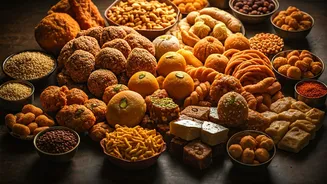
The word "sweet" barely does justice to the world of mithai. Forget simple cookies and cakes; Indian sweets are an art form. At the festival, you’ll find tables piled high with jalebi, bright orange spirals of fried batter soaked in saffron-infused syrup, offering a perfect crunch that gives way to a liquid sugar rush. Nearby, mountains of gulab jamun—spongy, deep-fried milk-solid balls dunked in a fragrant rose-cardamom syrup—glisten under the lights. They are dense, decadent, and melt in your mouth like a super-sweet doughnut hole from another dimension. Then there are the more refined sweets, like kaju katli, a delicate diamond-shaped fudge made from cashews and topped with edible silver leaf, offering a smooth, nutty flavor that is less about a sugar blast and more about sophisticated confectionary.
The Savory Counterpoint: Namkeen
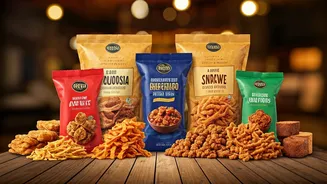
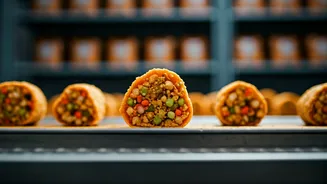
To prevent immediate sugar shock, the festival wisely balances its offerings with namkeen, a broad category of savory snacks that are just as beloved. This is where the symphony of spices comes alive. You can’t walk ten feet without bumping into a vendor frying up a fresh batch of samosas, their crispy, golden pockets filled with a fragrant mixture of spiced potatoes and peas. Or perhaps you'd prefer dahi bhalla, soft lentil fritters submerged in cool, creamy yogurt and drizzled with tangy tamarind and zesty mint chutneys. This entire category is a masterclass in texture and flavor, from the crunch of a fried kachori to the complex, multi-layered explosion of a well-made chaat. The namkeen stalls provide a crucial, salty-and-spicy intermission that makes diving back into the mithai even more satisfying.
The Golgappa Gauntlet
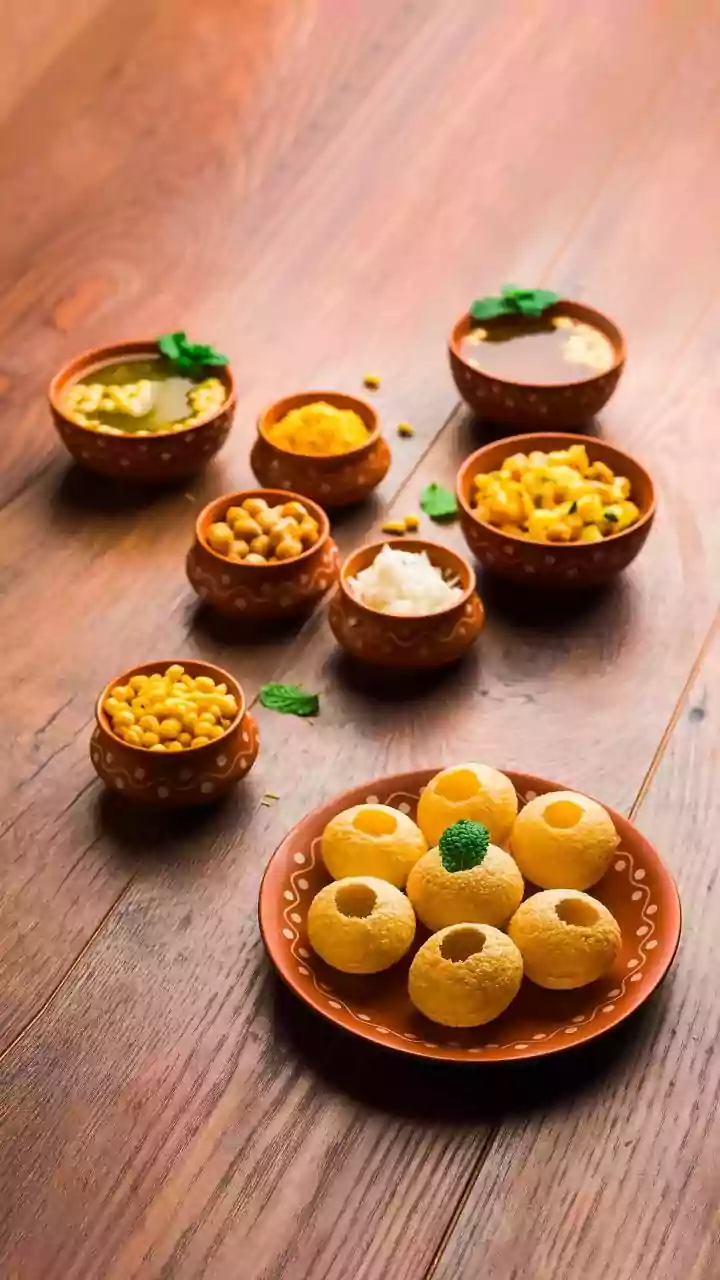
The true heart-pounding action of the festival lies in its food contests. The undisputed main event is the golgappa eating competition. Known as pani puri in other parts of India, these are small, hollow, crispy spheres. The vendor cracks a hole in the top, stuffs it with a mix of potato, chickpeas, and spices, and then dunks it into a vat of spicy, tangy, mint-coriander water. The challenge? Eat as many as you can, as fast as you can. It’s a messy, frantic, and glorious spectacle. Competitors stand with mouths open as vendors, moving with lightning speed, place one after another onto their tongues. The crowd roars, the spiced water drips, and a champion is crowned based on sheer volume and speed. It’s less a contest of endurance and more a sprint of pure, unadulterated gluttony, and it perfectly captures the joyous, high-energy spirit of the entire festival.