






So, What Exactly Are Functional Foods?
Think of it this way: all food is functional to some degree—an apple provides vitamins, a chicken breast provides protein. But the term 'functional foods' refers to foods that offer health benefits beyond basic nutrition. These are ingredients that contain
something extra—bioactive compounds like probiotics, antioxidants, or omega-3 fatty acids—that can have a positive effect on your body's systems. The concept isn't about magical 'superfoods' or expensive supplements. It’s about being intentional with everyday ingredients, choosing a blueberry for its antioxidant power in addition to its sweetness, or yogurt for its gut-friendly probiotics, not just its creaminess.
Why the Sudden Buzz?
The idea of food as medicine is ancient, but its modern resurgence is tied to our growing desire for proactive wellness. We're no longer content to just react to health problems; we want to build a foundation of well-being every day. The pandemic accelerated this, pushing preventative health to the forefront of our minds. Consumers are more educated and digitally connected than ever, seeking out information on how to support their immune systems, improve mental clarity, and reduce inflammation through diet. Functional foods offer a tangible, accessible way to feel more in control of one's health, shifting the focus from restrictive dieting to positive, beneficial additions.
For Gut Health: Your Second Brain
A happy gut is increasingly linked to everything from a strong immune system to a stable mood. This is where probiotics and prebiotics shine. Probiotics are the 'good' live bacteria found in fermented foods, while prebiotics are the fiber that feeds them. You don't need fancy pills to get a dose. * **Probiotic Powerhouses:** Incorporate foods like plain yogurt, kefir (a fermented milk drink), kimchi (spicy fermented cabbage), sauerkraut, and kombucha. * **Prebiotic Pals:** Feed those good bacteria with high-fiber foods like garlic, onions, bananas, oats, and asparagus.
For Brain Power and Mood
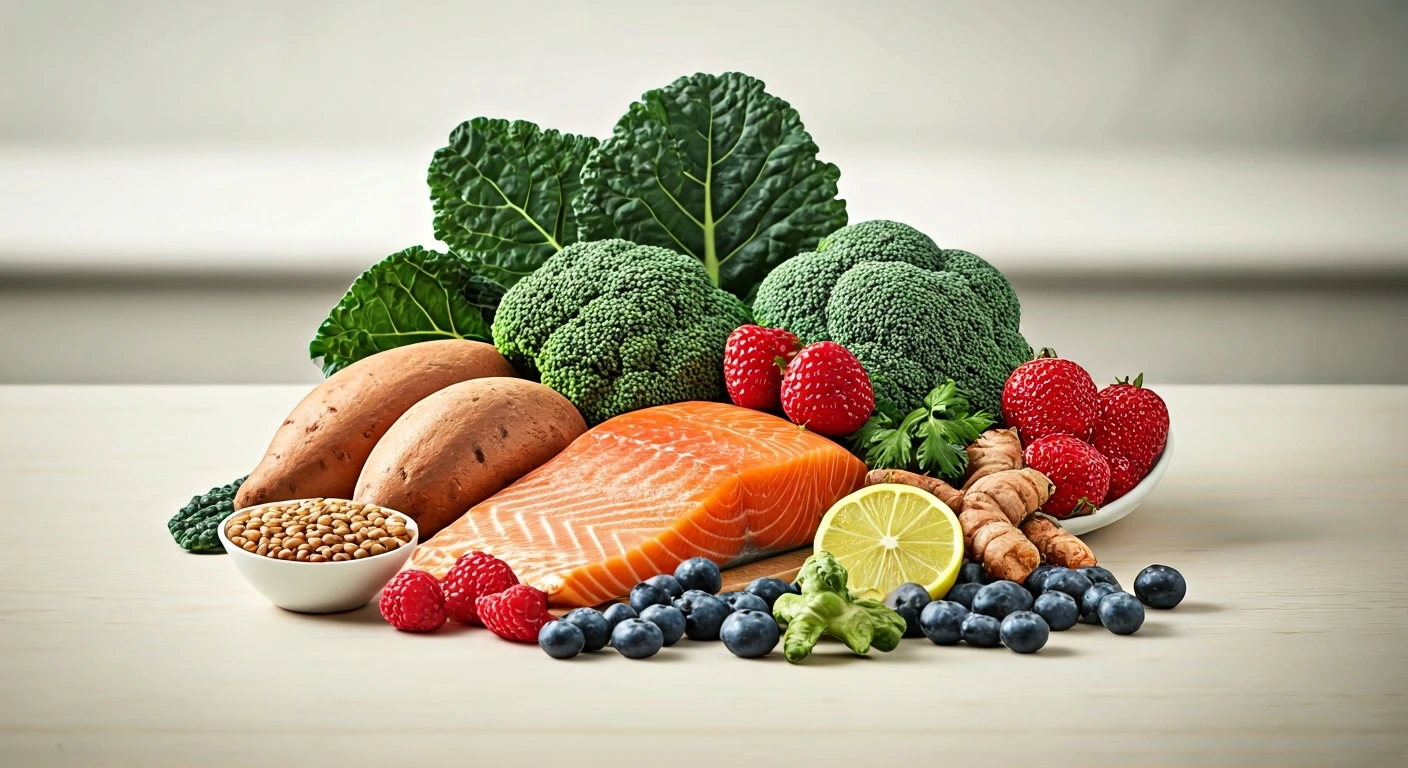
Feeling foggy or looking for a mental edge? Certain foods are rich in compounds that support cognitive function and mood regulation. Omega-3 fatty acids, for example, are crucial building blocks for the brain, while flavonoids (a type of antioxidant) help protect brain cells from damage. * **Omega-3 Champs:** Fatty fish like salmon, mackerel, and sardines are the gold standard. For plant-based options, look to walnuts, chia seeds, and flaxseeds. * **Flavonoid Favorites:** Think color. Deeply colored fruits and vegetables like blueberries, strawberries, and spinach are packed with them. And yes, a small amount of high-quality dark chocolate (70% cocoa or higher) also makes the list.
For Taming Inflammation
Chronic inflammation is a silent contributor to many long-term health issues. The good news is that your plate can be a powerful tool for fighting back. Many spices, teas, and vegetables contain potent anti-inflammatory compounds called polyphenols and antioxidants that help neutralize cellular damage. * **Spice Cabinet Staples:** Turmeric (containing the active compound curcumin) is a well-known anti-inflammatory. Pair it with black pepper to boost absorption. Ginger is another excellent choice. * **Antioxidant All-Stars:** Sip on green tea, load up on leafy greens like kale and Swiss chard, and enjoy a variety of berries.
How to Get Started Without the Overwhelm
Adopting a functional food mindset doesn't require a radical diet overhaul or a big budget. It's about making small, strategic swaps. Start by focusing on whole foods first—they're nature's original functional foods. Instead of a plain bagel, try a bowl of oatmeal topped with walnuts and blueberries. Swap your afternoon soda for a glass of green tea. Add a spoonful of kimchi to your scrambled eggs or a handful of spinach to your smoothie. The goal isn't perfection; it's intention. By simply asking, 'What extra benefit can this meal give me?', you’re already making a smarter move for your plate and your health.