






It’s Not Your Grandmother’s Vegetarianism
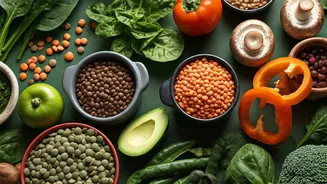
First, let's clear up a common American misconception. While India has the largest vegetarian population in the world, the majority of Indians do eat meat. For centuries, the country's plant-based diet has been built on a rich foundation of legumes (dal),
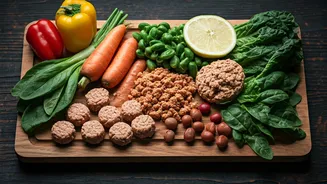
fresh cheese (paneer), and an incredible variety of vegetables. These dishes aren't trying to be meat; they are culinary stars in their own right. The new trend, however, is entirely different. It's not about celebrating lentils; it's about using plant-derived ingredients—from soy and pea protein to jackfruit—to meticulously replicate the sensory experience of eating chicken, mutton, and fish. This isn't for the lifelong, devout vegetarian. It's for the growing number of Indian flexitarians, urban millennials, and health-conscious consumers who enjoy meat but are looking for alternatives.
Meet the New Guard of Food Tech
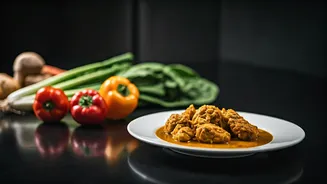
This shift is being driven by a dynamic startup scene. Companies like Shaka Harry, Blue Tribe Foods, and Imagine Meats (co-founded by Bollywood celebrity couple Riteish and Genelia Deshmukh) are at the forefront. They’re not just importing Western-style veggie burgers and sausages. Instead, they are localizing their products for the Indian palate. Think plant-based chicken nuggets perfect for dipping in spicy chutney, mutton-free samosas that taste like the real deal, or keema (spiced ground meat) made from plant protein that can be seamlessly integrated into a home-cooked meal. Their marketing focuses on convenience, health, and a modern lifestyle, often using e-commerce platforms to reach consumers in major cities like Mumbai, Delhi, and Bengaluru. This is about aspiration as much as it is about diet—a way to participate in a global food trend but make it distinctly Indian.
Why Now? A Perfect Storm of Factors
So why is this happening now? Several factors are converging. India's rising middle class has more disposable income and is more exposed to global trends through travel and the internet. There's a growing awareness around health and wellness, with consumers questioning the cholesterol and antibiotics associated with conventional meat. Sustainability is also becoming a bigger part of the conversation, particularly among younger, urban populations who are concerned about the environmental impact of animal agriculture. Finally, the technology itself has gotten significantly better. Early-generation veggie patties were often dry and uninspired. Today’s products offer a far more convincing texture and flavor, making the switch feel less like a sacrifice and more like an exciting discovery.
The Hurdles: Price, Palate, and Perception
Despite the momentum, the path forward isn't without challenges. The biggest hurdle is price. In a famously price-sensitive market, plant-based meats are still a premium product, costing significantly more than conventional chicken or mutton. For these products to go mainstream, costs will have to come down dramatically. The second challenge is the palate. Indian cuisine is complex, and consumers have high expectations for taste and texture. A product that’s merely “good enough” won't succeed; it has to be delicious and versatile enough to stand up to bold spices and traditional cooking methods. Finally, there's a perception battle. Many consumers still see these products as highly processed, while others simply prefer the authenticity and familiarity of either traditional meat or traditional vegetarian dishes. Convincing them to add a third category to their plates will require significant marketing and education.