
The Elevation of Everything
The phenomenon is everywhere, hiding in plain sight on grocery store shelves and in chic delis. It’s the block of butter that costs $12 but comes wrapped in gold foil, whispering of hand-churned, high-fat European traditions. It’s the can of tuna that’s
been replaced by delicate, line-caught Spanish bonito packed in single-origin olive oil, complete with tasting notes. This isn’t just inflation; it’s a re-evaluation of what we consider a “basic.” For decades, these items were commodities, defined by price and consistency. Now, they are being treated like ingredients at a three-Michelin-star restaurant: celebrated for their origin, production method, and unique character. This shift represents a new kind of culinary confidence, not just for chefs, but for the products themselves.
Butter's Grand Renaissance
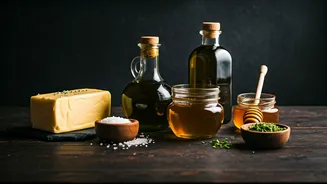
Nowhere is this trend more apparent than in the dairy aisle. For years, American butter was a monolith: a pale, functional block of fat. But a new wave of producers is pushing butter into the spotlight. Brands like Banner Butter and Rodolphe Le Meunier are creating “cultured” butters, which are fermented like yogurt before churning to develop complex, tangy flavors. They speak of “butterfat content” the way a vintner talks about alcohol percentage, touting percentages north of 84% for a richer, creamier texture perfect for slathering on crusty bread rather than just melting into a pan. These butters have terroir—the taste of the specific grass the cows ate—and are treated as a finishing touch, an ingredient to be savored on its own, not just a backstage player.
The Tinned Fish Phenomenon
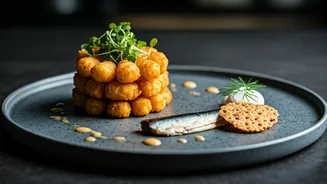
Perhaps the most surprising comeback kid is tinned fish. Once relegated to emergency pantries and sad desk lunches, conservas are now the height of chic. Fueled by social media and a renewed interest in shelf-stable, high-protein foods, brands like Fishwife, Siesta Co., and Patagonia Provisions have transformed the category. The appeal lies in both aesthetics and quality. The packaging is often beautiful enough to be a design object, featuring whimsical illustrations and bold typography. Inside, you won’t find chalky tuna in water. Instead, there are smoked rainbow trout, mussels in escabeche, and sardines with preserved lemon. The focus is on sustainability, traceability, and intense flavor—turning a quick snack into a sophisticated, no-cook appetizer plate.
Condiments with Serious Character
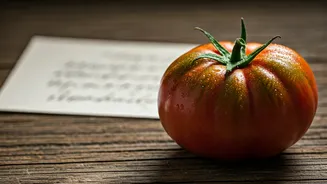
Even the humble condiment has been given a new lease on life. The monolithic reign of Heinz ketchup is being challenged by small-batch upstarts using heirloom tomatoes and complex spice blends. Hot sauce, once dominated by a few major players, is now a sprawling universe of artisanal fermenters exploring every pepper and flavor combination imaginable. Consider TRUFF, the brand that built an empire on truffle-infused hot sauce and olive oil, or Acid League’s line of “living vinegars” and experimental sauces. The message is clear: why should the final flourish on your meal be the least interesting part? These new condiments are designed not to mask, but to enhance, proving that even a dollop of sauce can be a thoughtful, culinary choice.