



A Road to the Rooftop of the World
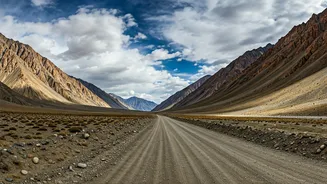
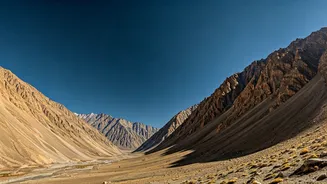
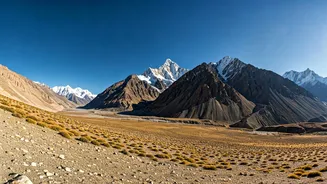
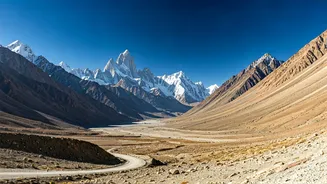
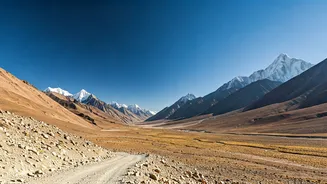
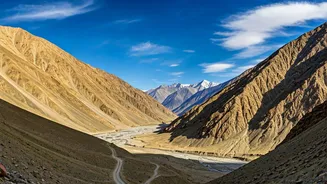
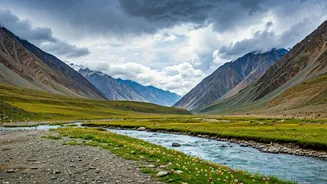
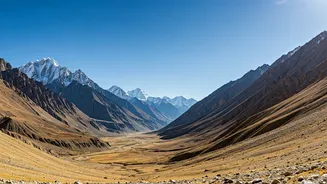
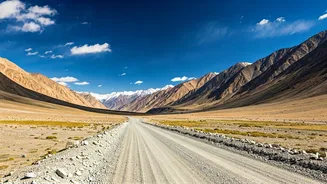
Getting to Key Monastery is half the experience, a slow-motion ascent into a different reality. The roads that carve through the Himalayas to reach Spiti are legendary—a mix of treacherous gravel paths and shockingly beautiful paved sections. You leave
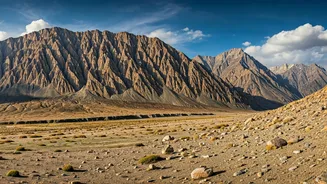
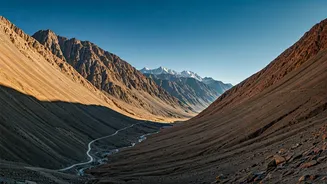
the lush foothills of Himachal Pradesh behind, climbing past the tree line into a realm of stark, elemental beauty. The landscape is often compared to the moon or Tibet, but it’s uniquely its own. Jagged peaks scratch at a sky so blue it feels artificial. The Spiti River, a ribbon of turquoise glacial melt, cuts through the vast, barren valley floor. Every mile, you feel smaller, more humbled by the sheer scale of the geology. It’s a place that quiets the mind not with gentle silence, but with overwhelming grandeur. This is the context required to understand Key Monastery—it doesn't just sit in the landscape; it is a product of it.
First Sight: A Fortress of Faith
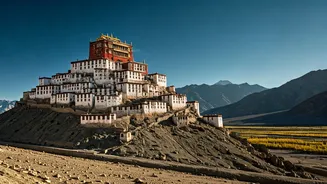
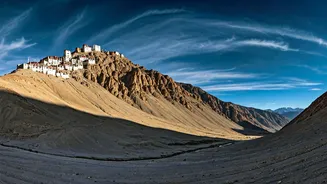
And then you see it. Perched atop a conical hill at over 13,600 feet, Key (or Ki) Monastery doesn't look like a single building. It looks like a cluster of whitewashed boxes clinging to a rock, as if a medieval village were stacked vertically. This haphazard, fortress-like architecture is a testament to its thousand-year history. Built to withstand not just the harsh elements but also repeated invasions, the monastery grew organically. New rooms and halls were added on top of old ones, creating a labyrinthine complex that seems to defy gravity. From a distance, it’s an architectural marvel, a stark white punctuation mark against the brown and gray mountains. It feels less like something that was built and more like something that grew, a coral reef of faith in a desolate sea of rock.
Inside the Ancient Walls
Stepping inside is like entering another century. The sunlight that was so brilliant outside gives way to cool, dim corridors lit by the occasional window or a flickering butter lamp. The air is thick with the scent of burning incense and juniper, a smell that clings to the ancient walls. In the prayer halls, you find murals, or thangkas, depicting Buddhist deities in stunning, vibrant detail. Some are centuries old, their colors preserved by the dry, cold air. You might stumble upon a room filled with ancient manuscripts, carefully wrapped in silk, or another containing a collection of fantastic masks used in religious festivals. Young monks in crimson robes might pass you in a hallway, their quiet chants echoing softly. It’s a sensory experience that disconnects you completely from the modern world. The 'other planet' feeling deepens; it’s not just visual, but spiritual and historical.
Life at the Edge of Existence
What truly anchors the otherworldly atmosphere is the profound sense of peace and resilience. Life at this altitude is not easy. The winters are brutal, isolating the valley from the rest of the world for months. Yet, for a thousand years, this community has endured. The monks you meet possess a calm, gentle demeanor that seems to radiate from the very stones of the monastery. They are the living heart of this alien landscape, practicing their faith with a quiet dedication that is both inspiring and humbling. Looking out from the monastery's rooftop, you see the breathtaking panorama of the Spiti Valley spread below. The wind is sharp, the silence profound. You’re standing in a place that feels impossibly remote, impossibly beautiful, and impossibly serene. It’s a reminder that life, and faith, can flourish in the most unlikely of places.