

The Backlash to Restriction
For the better part of a decade, wellness was defined by what you *didn’t* eat. Keto cut carbs, paleo banished grains and legumes, and countless cleanses villainized entire food groups. These highly restrictive approaches promised quick fixes and radical
transformations, dominating social media with dramatic before-and-afters. But for many, they also brought diet fatigue, social isolation (good luck finding a compliant restaurant meal), and a sense of failure when the rules became impossible to maintain. The new trend toward whole-food diversity is a direct response to that burnout. Instead of a list of forbidden foods, the focus is on what you can *add* to your plate. It’s an inclusive, flexible philosophy that feels less like a punishment and more like an exploration.
What Exactly Is ‘Whole-Food Diversity’?
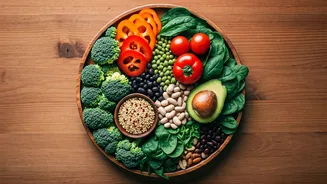
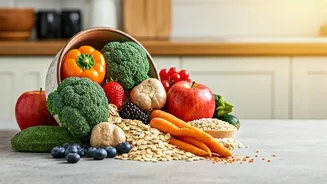
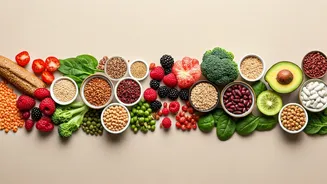
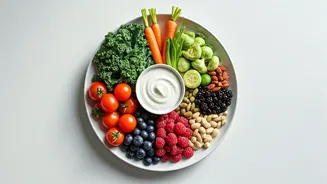
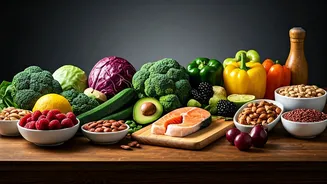
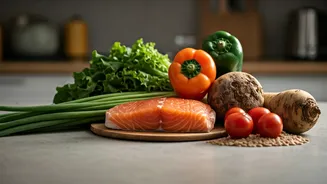
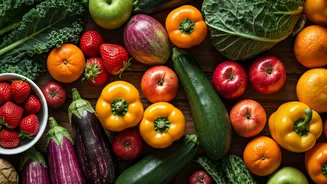
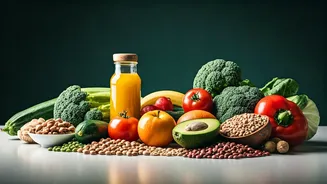
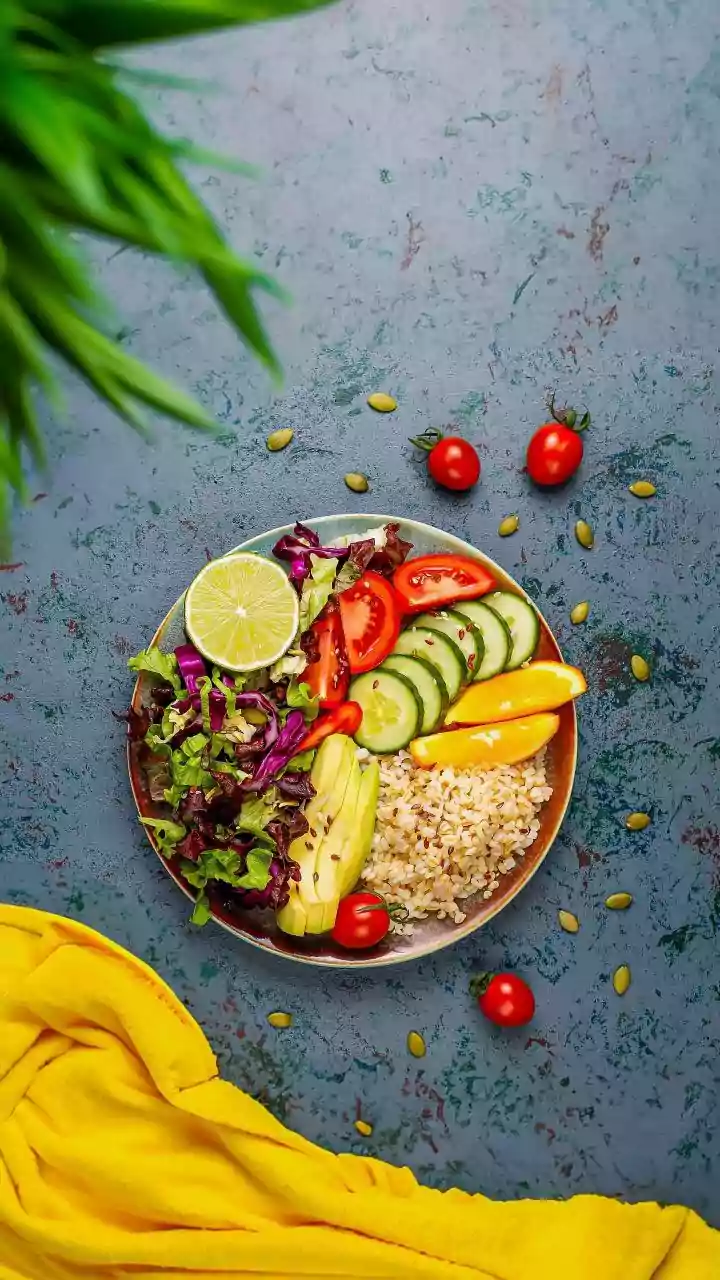
At its core, the concept is refreshingly simple: eat a wide variety of foods in their most natural, unprocessed state. Think fruits, vegetables, whole grains, nuts, seeds, and legumes. While the old “eat the rainbow” advice is a good start, true diversity goes deeper. It isn't just about having a colorful salad; it's about not eating the exact same salad with the same five ingredients every single day. It means rotating your go-to apple for a pear or a persimmon. It means trying quinoa one week and farro the next. It’s about aiming for variety across different food *types* and *families* over the course of a week or month. This approach moves the goalpost from militant restriction to joyful curiosity, prioritizing nutrient density and variety over caloric precision or macronutrient ratios.
The Science Is All About Your Gut
The driving force behind this trend isn’t just about vibes; it’s rooted in a growing understanding of the gut microbiome. Your gut is home to trillions of microorganisms that play a crucial role in everything from digestion and immunity to mood and metabolism. And just like any ecosystem, it thrives on diversity. Different types of fiber and phytonutrients found in different plants feed different species of beneficial bacteria. When you eat the same limited set of foods, you're only feeding a small fraction of your gut ecosystem. A diet rich in a wide array of plants, however, helps cultivate a robust and resilient microbiome. Studies have linked a more diverse gut microbiome to a lower risk of chronic diseases and a stronger immune system. This scientific backing gives the trend a legitimacy that many previous fads lacked.
How to Start Adding Variety Today
Adopting this mindset doesn't require a kitchen overhaul or a massive grocery bill. It’s about making small, incremental changes. The goal in some nutritional circles is to aim for 30 different plant species per week, but don’t let that number intimidate you. Start small. - **Buy one new thing:** Each time you go to the grocery store, pick up one fruit, vegetable, or grain you don’t normally buy. See a weird-looking squash? Grab it and find a simple recipe. - **Think in categories:** Instead of just “vegetables,” think “leafy greens,” “cruciferous” (broccoli, cauliflower), and “alliums” (onions, garlic). Try to get something from each category in a given week. - **Upgrade your staples:** If you always use brown rice, try black rice or bulgur. If you love almonds, mix in some walnuts or pistachios. Use a mix of beans in your chili instead of just one kind. - **Herbs and spices count:** Fresh herbs like parsley, cilantro, dill, and mint, as well as spices like turmeric and cinnamon, all count toward your plant diversity and add powerful antioxidants.