


From Road Warrior to Temporary Local
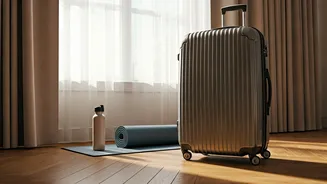
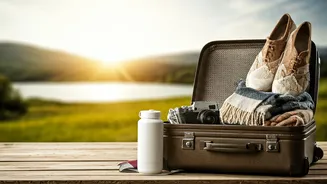
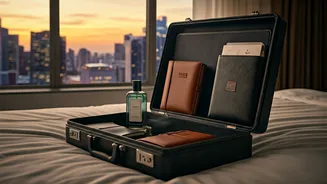
For decades, the badge of honor for the corporate traveler was efficiency. How many cities can you hit in a week? How quickly can you get from the airport to the boardroom and back again? The result was often a disorienting experience, a life lived out
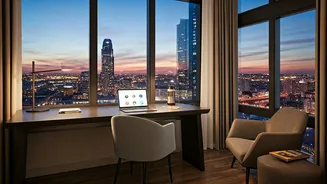
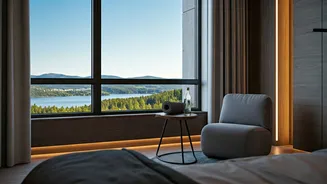
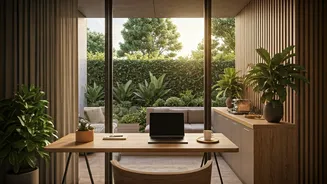
of a suitcase in a series of anonymous hotel rooms. But the rigid line between work, life, and travel, blurred by the pandemic, is being redrawn in a surprising new way.Enter the long-stay business trip. Instead of a three-day sprint, professionals on assignment are increasingly staying for weeks, or even a month. They aren't just camping out in a standard hotel, either. Companies are booking them into furnished apartments or extended-stay suites with kitchens, living rooms, and a sense of permanence. This isn't just a longer trip; it's a fundamental shift from being a visitor to becoming a temporary resident.
The Post-Pandemic Ripple Effect
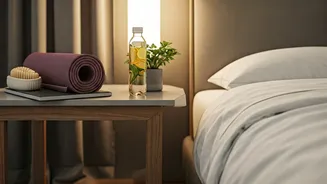
So, what’s driving this change? In a word: flexibility. The widespread adoption of remote and hybrid work has untethered millions of employees from a central office, proving that productive work doesn’t require a specific zip code. This has had a powerful ripple effect on corporate travel. Companies, now competing for talent in a market where work-life balance is paramount, are realizing that travel policies designed in the 1990s are a major deterrent.By offering extended stays, employers are turning a traditional pain point into a powerful perk. It allows employees to bring their families, maintain routines like exercise and home-cooked meals, and avoid the burnout associated with constant travel. Instead of dreading an upcoming trip, an employee might see a month-long project in Austin or Denver as an exciting opportunity to experience a new city without having to quit their job. It’s a powerful tool for retention in an era where skilled workers have more leverage than ever.
Redefining 'Fancy' Travel
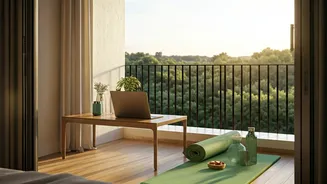
The headline's claim that these trips “feel fancy” isn’t necessarily about five-star hotels or champagne service. The new luxury is something far more valuable: time. The fanciest part of a long-stay trip is the ability to unpack completely, to stock your own fridge, to find a favorite local coffee shop, and to spend a Saturday exploring a museum or hiking a trail instead of rushing to catch a flight home.This model, often called “bleisure” (a blend of business and leisure), allows for a deeper, more meaningful connection to a place. Workers report feeling more creative and less stressed. They can host a colleague for dinner in their apartment, establish a morning routine, and truly understand the local market they're supposed to be working in. This type of immersion was previously the exclusive domain of senior executives on long-term expat assignments. Now, it’s becoming accessible for project-based work at many more levels.
A Smart Move for the Bottom Line
While booking an apartment for a month may seem more expensive than a few nights in a hotel, the math often works out in the company’s favor. For one, the nightly rate for extended stays is typically much lower. Companies also save on the repeated costs of airfare, Ubers, and the productivity lost to travel fatigue. A settled, happier employee is a more effective one.Furthermore, consolidating what might have been three separate one-week trips into a single month-long stay is logistically simpler and often more cost-effective. Travel management companies report a significant spike in these types of bookings, as corporations see the value in fostering employee well-being. A well-rested team member who feels valued is less likely to look for another job, saving the company significant recruitment and training costs down the line.