







The Sticker Shock Is Real
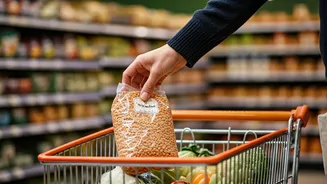
Let's start with the obvious: everything is more expensive, especially food. After years of persistent inflation, the simple act of filling a grocery cart can feel like a financial defeat. A carton of eggs, a gallon of milk, a pack of chicken breasts—items
that were once affordable staples now require a moment of budgetary calculus. This isn't just a feeling; it's a well-documented economic reality that has fundamentally changed how Americans shop. Families are trading down from name brands to store brands, seeking out discount grocers, and scrutinizing every item on their list. The economic pressure is immense, creating a fertile ground for any strategy that promises relief. This isn't about a niche community of extreme couponers anymore; it’s a mainstream struggle. When the cost of basic sustenance becomes a primary source of stress, people don't just get mad—they get creative.
Enter the TikTok Algorithm
Social media, particularly TikTok, has become the de facto town square for this new era of frugality. The platform’s algorithm is notoriously good at identifying and amplifying content that resonates with the current cultural mood. As millions of people simultaneously felt the squeeze of inflation, content creators who offered practical solutions found a massive, engaged audience. Videos showcasing a '$40 weekly grocery haul from Aldi,' a seven-day meal plan using only pantry staples, or a '$5 dinner challenge' started racking up millions of views. Unlike the curated, often unattainable perfection of early Instagram, TikTok’s culture rewards authenticity and utility. A grainy video of someone turning a bag of potatoes and a can of beans into a week's worth of lunches is more valuable—and more viral—than a filtered photo of an expensive brunch.
What Exactly Is a 'Budget Diet'?
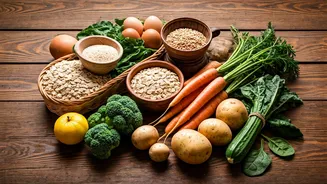
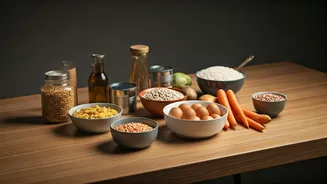
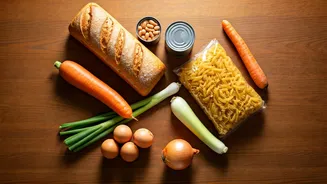
The term 'budget diet' can be misleading. For most, this isn’t about weight loss in the traditional sense. It's about putting your wallet on a diet. The 'rules' are fluid and defined by the community. Some popular formats include the 'no-spend grocery month,' where participants try to cook exclusively from their pantry and freezer. Others focus on a per-meal or per-day budget, like the 'eat for $5 a day' challenge. The common thread is a focus on simple, whole ingredients that are famously inexpensive: potatoes, beans, lentils, rice, oats, and seasonal vegetables. It’s a return to basics, stripping away processed foods, expensive supplements, and gourmet ingredients that defined the wellness culture of the 2010s. The 'diet' is the financial constraint, and the 'goal' is to eat as well as possible within it, sharing your successes and failures with a supportive online community.
From Aspirational Wellness to Practical Survival
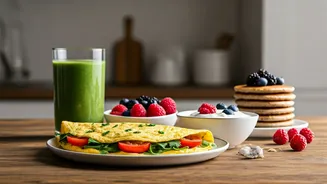
This trend represents a significant cultural backlash against the high-priced, aspirational wellness industry. For years, being 'healthy' was marketed as an expensive lifestyle choice, filled with $12 green juices, boutique fitness classes, and exotic superfoods. That model feels increasingly out of touch, even absurd, in the current economic climate. Budget diets are the antithesis of this. They reclaim 'health' and 'wellness' as something accessible, practical, and grounded in reality. The new status symbol isn't a fridge full of kombucha; it's a well-stocked pantry and the ingenuity to turn humble ingredients into satisfying meals. It's a form of resilience, a way for people to exert control over one small but significant part of their lives when so much else feels chaotic and uncertain. It’s not just about saving money; it’s about building skills and finding community in shared hardship.