




The King of Fruits, The Fruit of Kings
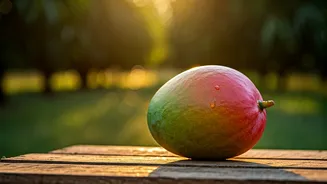
For Americans, a mango is often a simple, sweet addition to a smoothie or salsa—a single variety, the Tommy Atkins, dominates U.S. supermarket shelves. But in India, the mango is not just a fruit; it's a national obsession, a symbol of summer, and a subject
of fierce regional pride. Known as the 'king of fruits,' it's woven into poetry, history, and daily life. Nowhere is this passion more palpable than in Uttar Pradesh, a sprawling state in northern India that has long been the heartland of mango cultivation. Here, the fruit isn't just food; it's heritage. Families have their favorite varieties, debates rage over which mango is sweetest, and the annual harvest is celebrated with a fervor typically reserved for major holidays.
The Old Guard: Malihabad's Royal Legacy
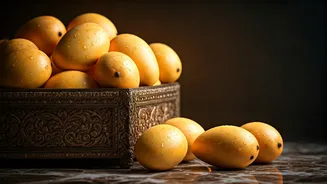
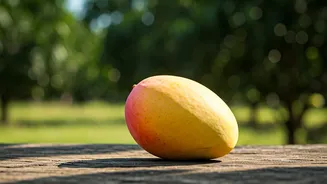
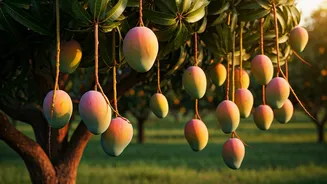
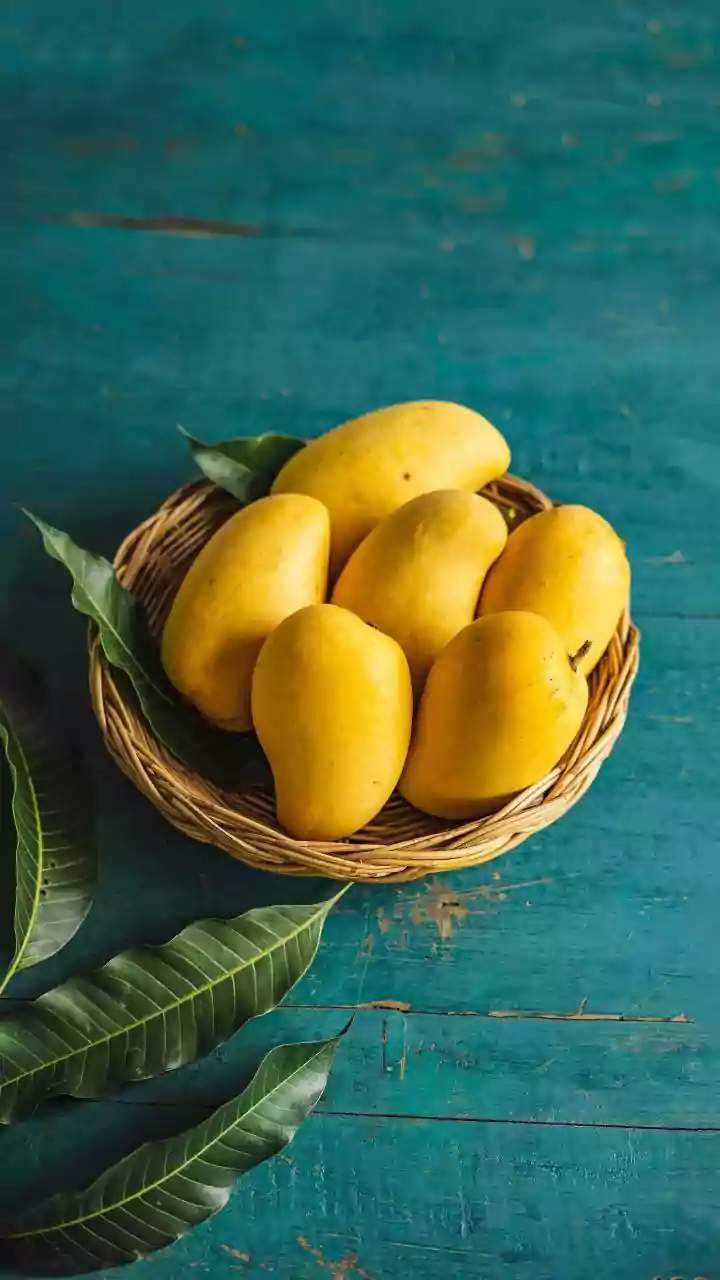
For generations, the undisputed center of this mango universe has been Malihabad. A small town just outside the city of Lucknow, Malihabad is a legendary name among mango connoisseurs. Its reputation is built on the Dasheri mango, a fiberless, golden-fleshed variety with a honeyed sweetness and floral aroma that is unlike anything most Westerners have ever tasted. The mango orchards of Malihabad, some with trees over a century old, are so integral to the region's identity that the 'Malihabadi Dasheri' was granted a Geographical Indication (GI) tag, a status similar to Champagne in France or Parmigiano-Reggiano in Italy. This designation protects its unique origin and quality. For decades, to speak of the best mangoes in the world was to speak of Malihabad.
The Challenger: Lucknow's Modern Ambition
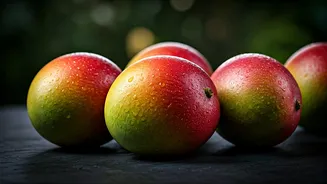
But a new contender has entered the ring. Lucknow, the grand capital city of Uttar Pradesh, is making a bold play for the mango crown. While historically intertwined with Malihabad, Lucknow is now positioning itself as the primary hub for not just the Dasheri but hundreds of other mango varieties. The city has become the epicenter of mango promotion, hosting extravagant mango festivals that attract farmers, scientists, buyers, and tourists from around the globe. These events are part trade show, part carnival, showcasing an astonishing biodiversity—from the tiny, fragrant 'Chausa' to the massive, multi-kilo 'Hathijhool.' Through savvy marketing and by leveraging its status as a major urban center, Lucknow is framing itself as the commercial and cultural nucleus of India's mango belt, the place where all the region's fruity treasures converge.
A Sweet and Savvy Rivalry
So, is Malihabad truly being dethroned? The reality is more complex and, frankly, more delicious. The 'rivalry' is less of a hostile takeover and more of a strategic rebranding. Lucknow isn't growing different mangoes; it's simply creating a bigger, more accessible stage for them. This friendly competition is fueling innovation in farming, processing, and exporting. By claiming the 'World Mango Capital' title, Lucknow's promoters are aiming to draw global attention to the entire region, including the historic orchards of Malihabad. The ultimate goal is to elevate the status of Indian mangoes on the world stage, moving beyond regional fame to global dominance. In this contest, there are no losers—only a wider audience getting to discover the incredible depth and variety of India’s favorite fruit.