






The Ancient Roots of a Modern Trend
At the heart of this movement is a renewed interest in what’s often broadly termed “Indian functional health.” This concept pulls heavily from the principles of Ayurveda, a traditional system of medicine with roots in India stretching back thousands of years.
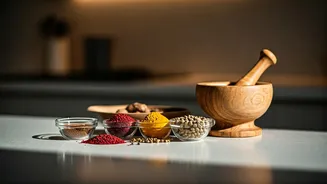
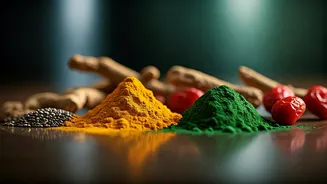
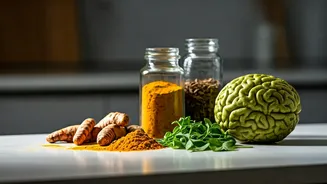
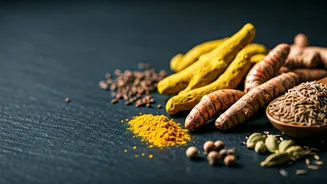
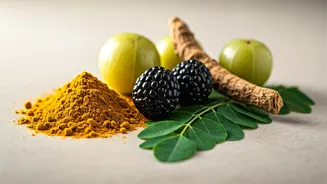
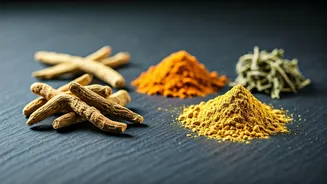
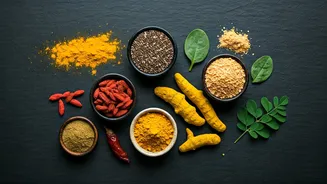
While few are following strict Ayurvedic protocols, Gen Z is embracing its core tenets: balance, holistic well-being, and the idea that food is medicine. They are rediscovering powerful ingredients that have been staples in Indian households for centuries. Turmeric, known for its anti-inflammatory properties; ashwagandha, an adaptogen believed to help the body manage stress; and moringa, a nutrient-dense superfood, are no longer confined to traditional preparations. They have become key players in the modern wellness lexicon, seen not as exotic oddities but as essential tools for daily health.
A Generation of Global Synthesizers
So why is Gen Z leading this charge? As the first truly digitally native generation, they grew up with the world’s knowledge at their fingertips. They are less likely to accept a single, Western-centric view of health and are more inclined to research and synthesize information from diverse cultures. This generation is also defined by a profound focus on mental health and a proactive approach to managing stress and anxiety. The promise of adaptogens and other functional ingredients to support mental clarity and emotional resilience resonates deeply. Furthermore, for many young people from the South Asian diaspora, this trend is a way of reconnecting with their heritage on their own terms. It’s a departure from the days when the smell of turmeric-laden food was a source of playground embarrassment; today, it’s a celebrated ingredient in a $5 latte, a symbol of cultural currency and ancestral wisdom.
The New Global Pantry in Action
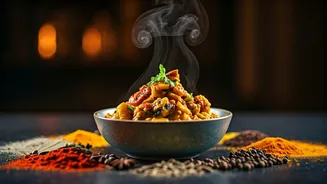
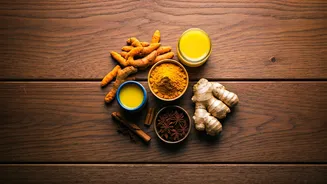
The real innovation lies in the “blending.” Gen Z isn’t just drinking turmeric milk as their grandmothers did; they are deconstructing it and reassembling it within a global food context. This fusion creates something entirely new. The classic “golden milk” or *haldi doodh* is reborn as an iced turmeric latte with oat milk and a shot of espresso. Ashwagandha powder, traditionally taken with milk or honey, now finds its way into pre-workout smoothies alongside whey protein and bananas. Amla, or Indian gooseberry, a potent source of Vitamin C, is being mixed into green juices with kale and ginger. Moringa powder is baked into gluten-free pancakes. This isn’t about strict authenticity; it's about functional creativity. The goal is to integrate the benefits of these ancient ingredients into a modern lifestyle, making them accessible, palatable, and Instagrammable. The smoothie bowl, the energy bite, and the latte have become the new, globally understood vessels for delivering ancient functional health.
More Than Just a Passing Fad
It’s easy to dismiss this as another fleeting wellness trend, but that would be missing the bigger picture. This movement signifies a fundamental shift in how we approach health. It’s a move away from a one-size-fits-all model toward hyper-personalized wellness routines. By blending ingredients and traditions, Gen Z is asserting their right to define health for themselves, drawing on the best of both ancient wisdom and modern science. They are the curators of their own well-being, creating a custom-built approach that feels both authentic and effective. This trend suggests a future where the line between “traditional” and “modern” medicine continues to blur, and where the pantry becomes a global apothecary tailored to individual needs.