




Food as a Sacred Offering
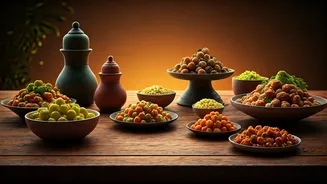
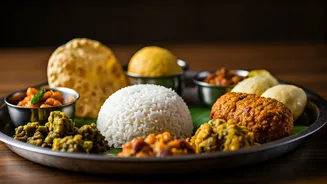
In the northeastern Indian state of Assam, food served at religious festivals is far more than simple sustenance. It’s known as 'bhog' or 'prasad'—a sacred offering first presented to a deity and then distributed to devotees. This act transforms a meal
into a blessing. Unlike everyday cooking, temple food follows strict rules. It is purely vegetarian, often prepared without onion or garlic, and relies on a subtle alchemy of local herbs, seasonal vegetables, and a deep understanding of ayurvedic principles. The result is a meal that is both spiritually pure and deeply nourishing, designed to be shared among hundreds, sometimes thousands, of people from all walks of life.
The Great Communal Kitchen
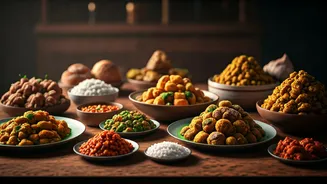
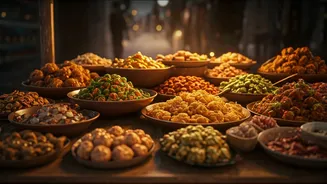
The true magic lies in the preparation. During major festivals like Bihu or the Ambubachi Mela at the famous Kamakhya Temple, the temple grounds become a bustling hub of culinary activity. Here, the cooking is a massive, volunteer-driven effort. Men and women, young and old, gather to chop mountains of vegetables, stir colossal vats of dal, and expertly flip countless rotis. There's a rhythm to the work, a synchronized dance of community effort. This process is the engine of social cohesion. It’s in these shared tasks—peeling potatoes next to a stranger, learning a spice blend from an elder—that community bonds are forged and strengthened. The food isn't just a product; the communal act of creating it is a central part of the celebration itself.
A Taste of the Assamese Land
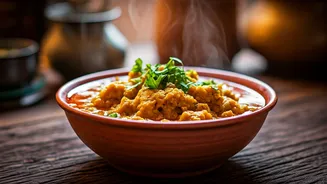
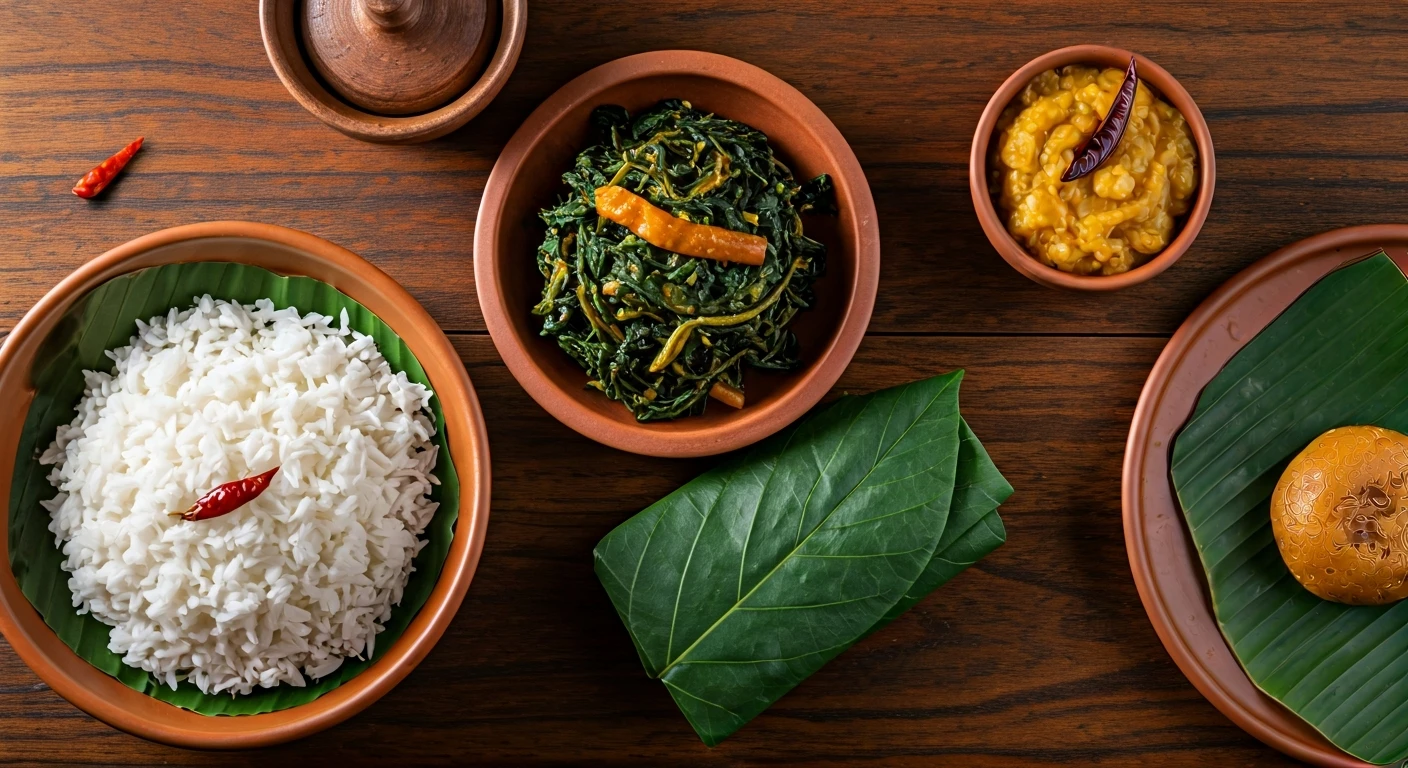
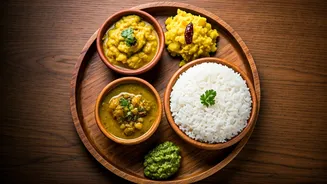
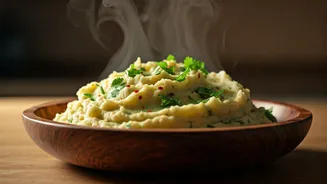
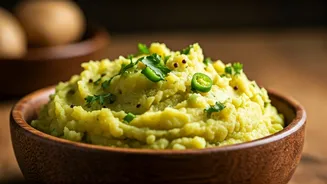
Temple cuisine is a living encyclopedia of Assam's agricultural bounty. The menus are hyper-local and seasonal by necessity, showcasing what the fertile Brahmaputra valley provides. Key dishes often include 'mati mahor dal' (a slow-cooked black gram dal), 'alu pitika' (a comforting mash of potato with mustard oil and herbs), and tangy curries made with 'ou tenga' (elephant apple). The star is often the rice, particularly aromatic varieties like Joha. These ingredients tell the story of the region’s geography and climate. By centering these native ingredients, the festivals implicitly celebrate and reinforce the value of Assam’s unique ecological heritage, turning each meal into a lesson in local botany and agricultural history.
Preservation on a Plate
In a world of globalized palates and fast-food chains, this dedication to traditional recipes is a quiet but powerful form of cultural resistance. This is the “revolution” in the headline: not a violent upheaval, but a passionate, grassroots movement to preserve identity. Each festival is a chance to pass down culinary knowledge. Grandmothers guide younger hands, ensuring that complex techniques and flavor profiles are not lost. For the younger generation, many of whom live in cities or even abroad, returning for a festival is a sensory pilgrimage back to their roots. Eating bhog is an act of remembering, a taste of home that reinforces a distinct Assamese identity and fosters a deep sense of regional pride that no generic commercial meal could ever replicate.