





A Pop of Sunshine on a Gray Day
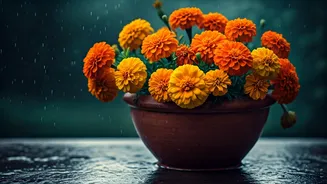
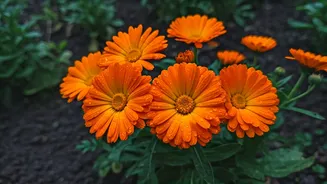
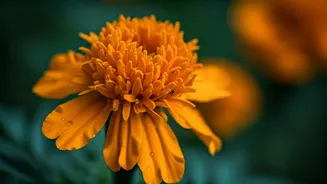
The single greatest asset of the marigold in a dreary landscape is its color. Marigolds bloom in intense, saturated shades of yellow, orange, and deep reddish-bronze. These aren't subtle pastels; they are energetic, warm hues that act like little suns
dotted throughout your yard. On a gray, overcast day, the human eye is naturally drawn to these points of high contrast. While other plants might recede into the gloom, the fiery tones of marigolds cut through the haze, providing a much-needed psychological lift. Placing them near a window allows you to enjoy this cheerful defiance of the weather from indoors, transforming a gloomy view into a vibrant one.
Why Pots Are the Perfect Platform
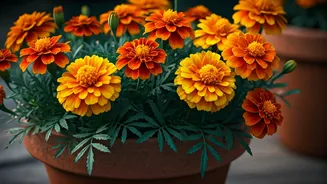
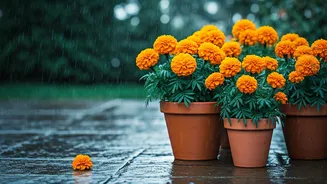
While the headline specifies pots, it’s not just for aesthetics; it’s a crucial horticultural strategy. Many garden beds can become saturated and waterlogged during long rainy periods. Marigolds, like many flowering annuals, thrive in well-drained soil and can suffer from root rot if their feet stay too wet. Pots are the perfect solution. A container with good drainage holes elevates the plant’s root ball above the soggy ground, giving you complete control over its moisture level. You can use a quality potting mix designed for drainage, ensuring that even during a downpour, excess water can escape freely. This simple step prevents one of the most common failures when trying to add color to a wet garden.
A Resilient and Hardy Performer
Some delicate flowers are easily battered and bruised by heavy rain, their petals turning into a sad, translucent mess. Marigolds are tougher than they look. Their sturdy stems and prolific blooming habit mean they bounce back quickly after a storm. While a particularly harsh downpour might damage a few blooms, the plants are quick to recover. A little bit of deadheading—pinching off the spent flowers—will encourage the plant to produce a fresh flush of buds almost immediately. This resilience makes them a low-maintenance choice for gardeners who want consistent color without having to constantly fuss over their plants after every rainfall. They keep looking good, which is the entire point.
Strategic Placement for Maximum Impact
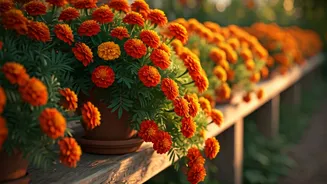
The mobility of pots is another key advantage. You aren't committed to a single garden layout. You can move your marigold pots to wherever they are needed most. Is your front entryway looking particularly bleak? Place a large pot on either side of the door for a welcoming burst of color. Does your patio, where you watch the rain fall, feel lifeless? Group three pots of varying sizes in a corner. This flexibility allows you to be a “color choreographer,” moving your bright spots to combat the gloom in real-time. For maximum visual impact, consider planting a single, bold color in each pot rather than a mix. A solid mass of bright orange or sunshine yellow creates a more powerful statement from a distance.
The Practical, Pest-Fighting Bonus
Beyond their good looks, marigolds have a long-standing reputation in the gardening world as a companion plant that helps deter pests. Certain varieties of French marigolds, for instance, release a substance from their roots that can suppress root-knot nematodes, microscopic pests that damage many vegetable and ornamental plants. Above ground, their pungent scent is thought to be off-putting to insects like whiteflies and even some foraging animals like rabbits. While not a foolproof pest-control system, think of it as a happy bonus. You're adding them for their beauty and resilience in the rain, and they just happen to be working behind the scenes to make your garden a healthier place.