

Beyond the Beige
For years, minimalism was synonymous with cold, almost clinical spaces: glossy white surfaces, sharp black accents, and a distinct lack of personal objects. It was a look that photographed beautifully but often felt unlivable. Then came Warm Minimalism,
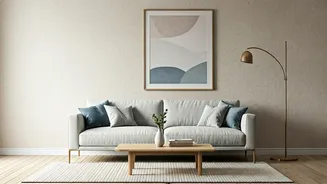
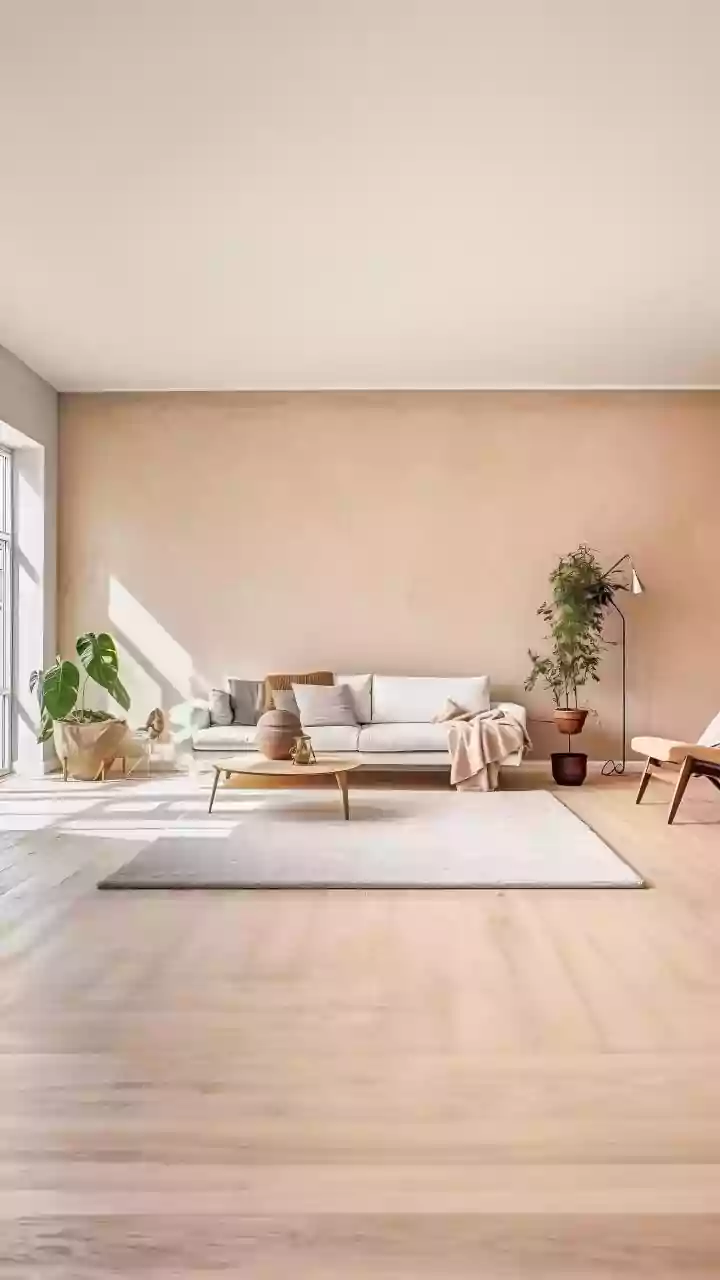
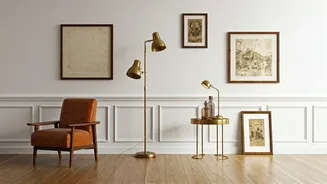
a softer, more approachable evolution of the 'less is more' philosophy. It's less about sterile emptiness and more about intentional simplicity. Think of it as the style equivalent of a cashmere sweater and a great cup of coffee on a rainy day—it’s edited, but it’s also deeply comforting. This trend keeps the clean lines and uncluttered surfaces of traditional minimalism but infuses them with natural textures, earthy tones, and a sense of personal history.
A Reaction to Modern Life
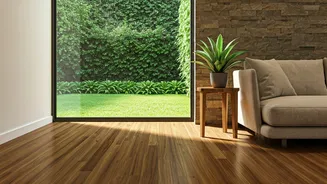
So, why is this look taking over urban condos now? In many ways, it’s a direct response to our times. After years of our homes doubling as offices, gyms, and our entire social worlds, the need for a true sanctuary has never been greater. Warm Minimalism provides a serene backdrop that calms the mind without feeling cold or impersonal. In the tight quarters of a city condo, every square foot matters. This style excels at making smaller spaces feel larger and more peaceful by eliminating visual clutter, while the 'warm' elements—soft lighting, plush textiles, and rounded furniture—prevent the space from feeling like a sterile white box. It’s the perfect antidote to both the harshness of the outside world and the digital noise of our screens.
It’s All About Texture
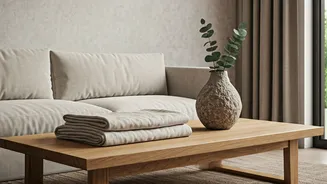
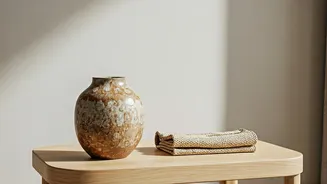
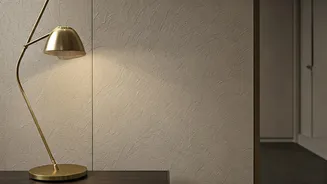
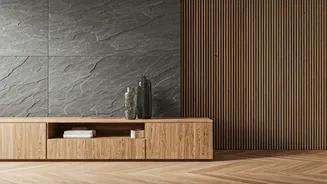
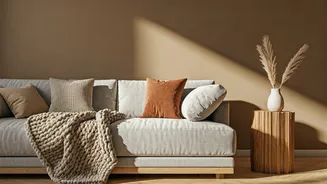
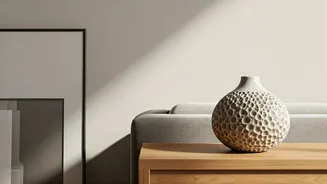
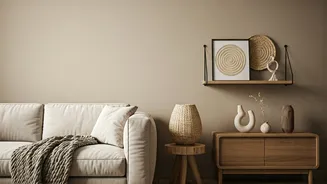
If traditional minimalism was about smooth, hard surfaces, Warm Minimalism is all about touch. The key to achieving this look is layering a variety of rich, natural textures. Swap out the sleek leather couch for one upholstered in nubby bouclé or soft linen. Trade the polished chrome for brushed brass or matte black hardware. Introduce elements like chunky wool throws, woven jute rugs, and raw wood accent pieces. These materials add visual weight and a tactile dimension that invites you to reach out and touch them. The interplay of different textures—a smooth ceramic vase next to a rough-hewn wooden bowl, for example—creates a dynamic yet harmonious environment that feels sophisticated and lived-in.
A Softer, Earthier Palette
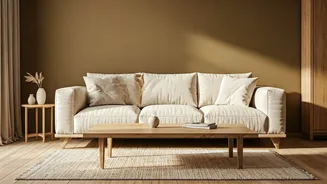
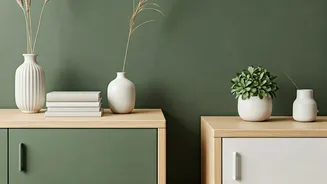
Forget the stark black-and-white. The Warm Minimalist color scheme is inspired by nature. It’s built on a foundation of soft, welcoming neutrals like ivory, cream, oatmeal, and mushroom grey. Instead of sharp contrasts, it uses a tonal palette, layering different shades of the same color for depth. Accent colors are also drawn from the earth: think terracotta, moss green, dusty rose, and warm caramel. These hues feel grounded and organic, creating a soothing atmosphere. The goal isn't to avoid color entirely, but to use it in a way that promotes tranquility and warmth, making the space feel like a gentle hug.
Curated, Not Cluttered
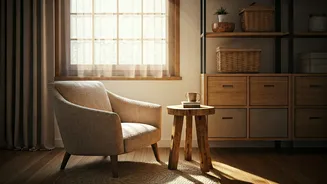
This is where the 'minimalism' part truly comes into play. Warm Minimalism isn’t an excuse to fill your space with cozy-looking stuff. It’s about being highly selective. Every object should have a purpose or a personal meaning. This means decluttering ruthlessly but keeping the items that tell your story—a beloved piece of art, a handcrafted ceramic from a local artist, a stack of books you genuinely love. Furniture often takes on a sculptural quality, with curved lines and interesting forms that act as functional art. The negative space is just as important as the objects themselves, allowing each curated piece to breathe and be appreciated on its own.