



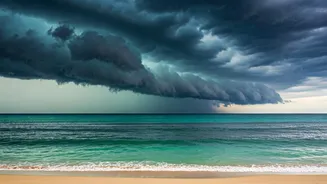

Understanding the Monsoon's Power
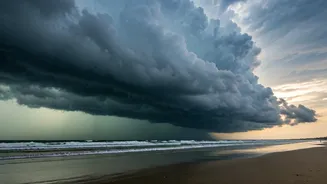
First, let's clear up a common misconception for many Americans: a monsoon isn't just a heavy rainstorm. It’s a massive, seasonal shift in wind patterns that brings months of rainfall to a region. For India, and specifically for a coastal state like Andhra
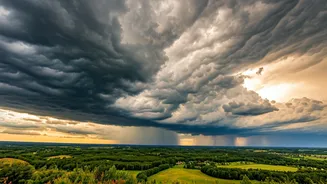
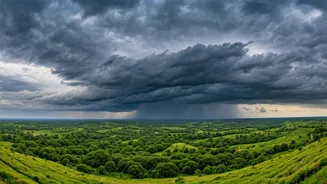
Pradesh, the Southwest Monsoon (typically June to September) is the engine of life. It replenishes reservoirs, irrigates crops, and breaks the oppressive pre-summer heat. But that same life-giving force is an incredibly powerful, often destructive, agent of change. Imagine turning on a fire hose for three months straight—that’s the level of atmospheric energy we're talking about, and it completely reshapes the landscape and daily life.
Andhra Pradesh: On the Front Lines
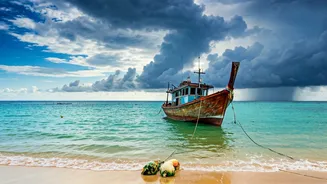
Andhra Pradesh sits on India's southeastern coast, facing the Bay of Bengal. Its geography makes it uniquely susceptible to the monsoon's intensity. The state is crisscrossed by two of India’s mightiest rivers, the Godavari and the Krishna, which swell dramatically during this season. Its long coastline is prone to storm surges and cyclonic activity that can spin up in the bay. Furthermore, the inland Eastern Ghats mountain range can trigger sudden, intense downpours leading to flash floods and landslides. While cities like Visakhapatnam and Vijayawada have modern infrastructure, it can be quickly overwhelmed by the sheer volume of water, turning routine travel into a significant challenge.
Navigating the Practical Risks
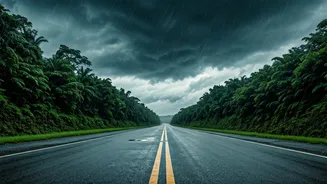
If you're traveling in the region during monsoon season, “go with the flow” becomes literal advice. The primary challenge is transportation. Localized flooding can shut down roads for hours or even days, severing connections between towns and cities. Potholes hidden beneath murky water become a serious hazard for vehicles. Train schedules, a lifeline of Indian travel, can be delayed or rerouted due to flooded tracks or landslides along the route. Flights are often delayed or canceled due to low visibility and high winds, especially at coastal airports like Visakhapatnam. The key is to build flexibility into your itinerary. Don't plan tight connections, and always have a backup plan. Check local news and weather reports constantly, as conditions can change in an instant.
Health and Safety Precautions
Beyond the logistical headaches, the monsoon brings specific health concerns. The abundance of standing water creates a perfect breeding ground for mosquitoes, leading to a spike in mosquito-borne illnesses like dengue fever and malaria. A reliable insect repellent is not a suggestion; it's a necessity. Water contamination is another serious risk. Flooding can overwhelm sanitation systems, increasing the chance of waterborne diseases like typhoid and cholera. Stick to bottled, boiled, or purified water exclusively. Be extremely cautious with street food, especially items that may have been washed with or exposed to untreated water. A good rule of thumb: if it's not freshly cooked and served piping hot, it might be best to skip it.
The Upside: A Season of Rebirth
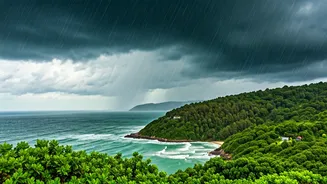
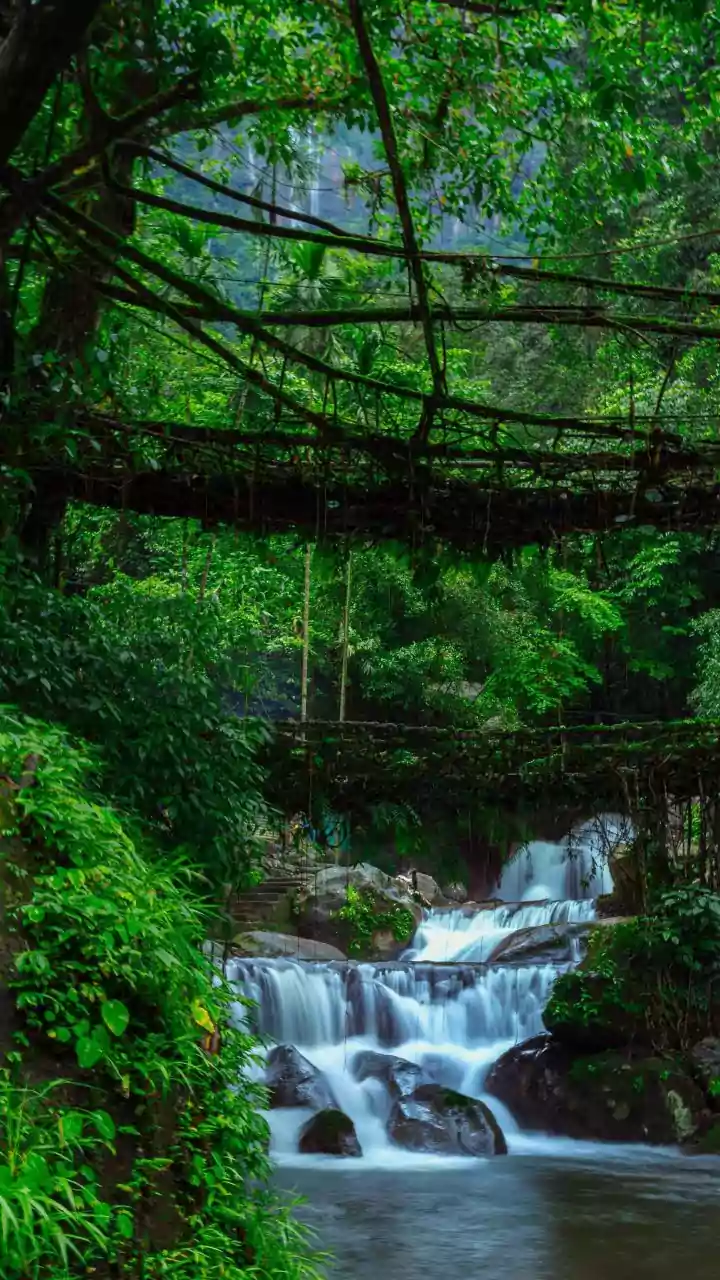
This all sounds daunting, but it’s not a blanket warning to stay away. For the prepared traveler, the monsoon can be a magical time. The landscape, parched and dusty from the summer, explodes into a thousand shades of vibrant green. Waterfalls that were mere trickles become thunderous cascades. The oppressive heat breaks, replaced by cooler, breezier days. Tourist crowds thin out, offering a more tranquil and authentic experience. The scent of wet earth, the dramatic skies, and the joy of locals welcoming the rain are powerful sensory memories. Witnessing the lush rice paddies of the Godavari delta or the misty hills around the Araku Valley during this time is an experience of India at its most raw and beautiful.