






The Town That Time Remembered
Perched just above the famously bustling Indian hill station of Mussoorie, Landour feels like a secret whispered among travelers. It’s not a separate city but a British-era cantonment, a former military garrison, and that historical quirk is the key to its
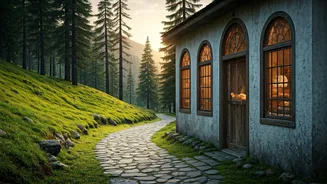
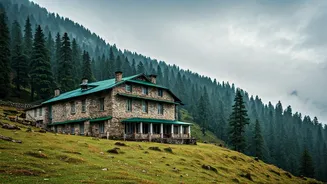
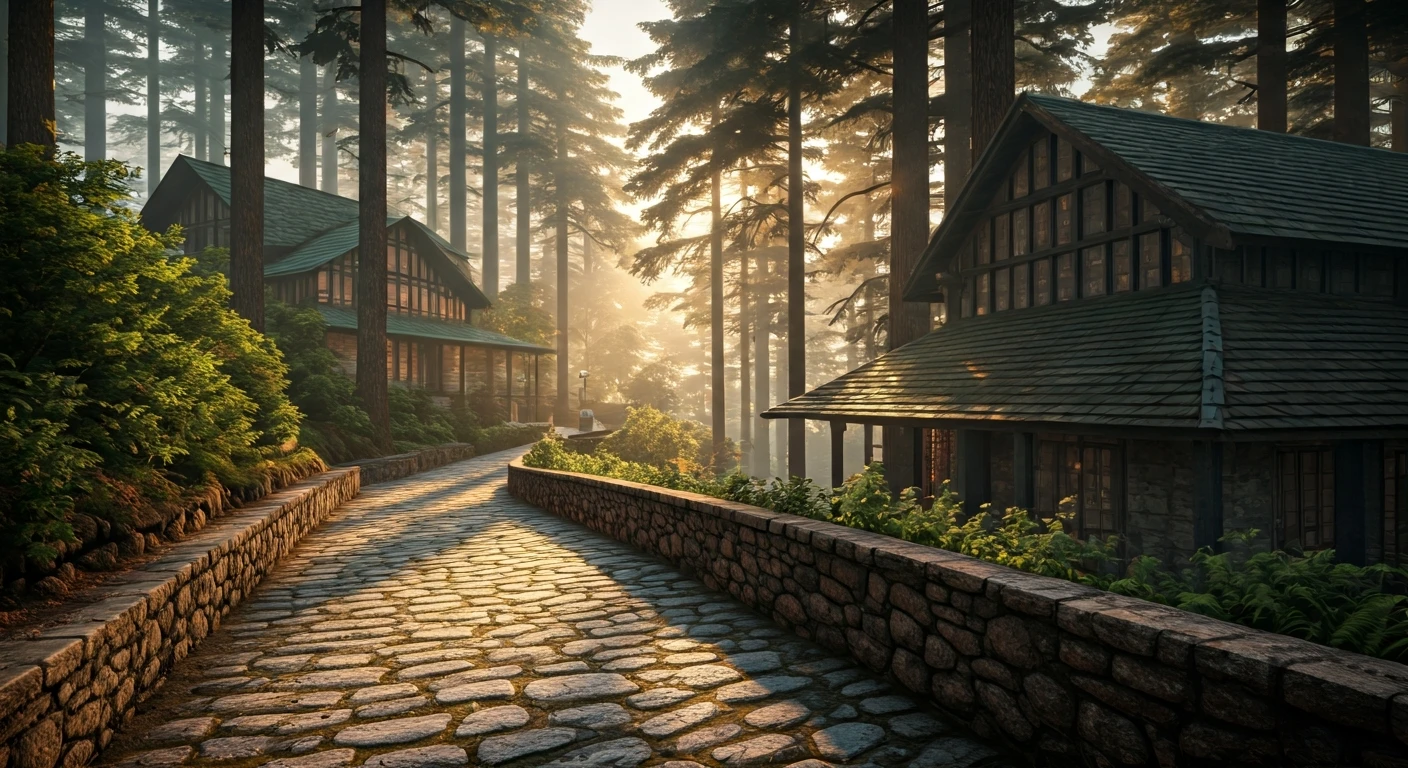
preservation. While Mussoorie’s main drag, the Mall Road, often pulses with a chaotic throng of tourists, souvenir shops, and traffic, Landour remains stubbornly, wonderfully quiet. Strict cantonment laws have severely limited new construction, preserving its small-scale, colonial character. You won’t find sprawling new hotels or noisy amusement arcades here. Instead, winding, tree-lined roads connect stone-and-timber cottages draped in ivy, each with a name like “The Gables” or “Kenilworth.” It’s a town caught in amber, a living postcard from a different century, offering a peaceful counter-narrative to the modern vacation frenzy.
A Paradise for Wanderers
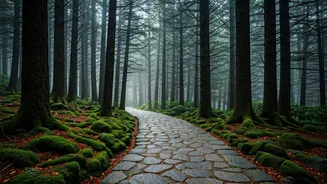
The primary activity in Landour is walking, and it is a sublime one. The town is built around a three-kilometer loop known as the “Upper Chakkar,” or Camel’s Back Road. With cars largely forbidden, the path belongs to pedestrians. A leisurely stroll here is a sensory immersion. The air is crisp and carries the sharp, clean scent of pine and cedar. On a clear day, the path opens up to breathtaking, snow-dusted panoramas of the Greater Himalayan range. On a misty one, the world shrinks to the few feet of road ahead of you, creating a dreamlike, introspective atmosphere. You pass by historic landmarks like the 19th-century St. Paul’s Church, where Rudyard Kipling’s parents were married, and Kellogg Memorial Church, with its distinctive gothic architecture. There are no schedules to keep, no attractions to check off a list. The point is the walk itself—the unhurried rhythm of your own footsteps on a mountain path.
The Simple Joy of Chaar Dukaan
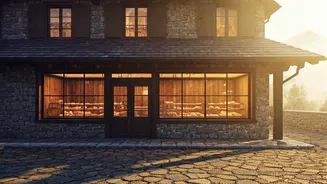
The social and literal heart of Landour is a tiny cluster of shops known as Chaar Dukaan, which translates simply to “four shops.” For decades, this has been the go-to spot for weary walkers, students from the nearby language school, and the town’s handful of residents. The offerings are simple, classic, and perfect. You can sit on a rustic bench and sip hot, sweet chai or a curative ginger-lemon-honey tea. The food is comfort epitomized: crispy pakoras, fluffy bun-omelettes, and surprisingly good waffles and pancakes—a holdover from the many international visitors. It’s here, over a simple snack, that you feel the essence of Landour’s charm. It’s a place that values simple pleasures and unpretentious community over glitzy, commercialized experiences. It’s the kind of spot where conversations start easily and time seems to stretch.
A Literary Soul
Adding to Landour’s mystique is its status as a literary haven, embodied by its most famous resident, the celebrated author Ruskin Bond. For decades, Bond has lived and written in Landour, his stories perfectly capturing the quiet rhythms and quirky characters of Himalayan life. He is a living symbol of the town’s soul—gentle, observant, and deeply connected to nature. While spotting him on his daily walks is a treat for some visitors, his presence is more deeply felt in the town's atmosphere. This is a place that values contemplation, a place for reading, writing, and reflection. The absence of commercial noise creates a space for your own thoughts to emerge, making it a true retreat for the mind as well as the body.