



More Than Just Muddy Paws
While the phrase “pet monsoon plan” might sound like peak pet pampering, it’s rooted in a practical health concern. Prolonged exposure to rain, humidity, and mud isn’t just a cleanliness issue; it creates a perfect storm for skin problems. Vets often
see a spike in skin-related visits during wet seasons. Constant moisture can soften paw pads, leaving them vulnerable to cuts and abrasions. More significantly, the damp, warm environment trapped in a dog’s coat or between their toes is an ideal breeding ground for yeast and bacteria. This can lead to painful and itchy conditions like hot spots (acute moist dermatitis), fungal infections, and inflamed skin between the toes. What looks like a luxury skin-care routine is often a simple, preventative health measure to keep your pet comfortable and out of the vet’s office.
Assemble Your Weather-Proofing Toolkit
You don’t need a bathroom counter full of pricey serums, but a small, dedicated kit can make a world of difference. Think of it as your pet’s rainy-day defense system. Start with a stack of old, absorbent towels kept right by the door for immediate post-walk drying. Add a container of pet-safe, hypoallergenic grooming wipes for targeted cleaning of paws, legs, and underbellies. A high-quality paw balm or wax is a must-have; it creates a breathable barrier against wet, irritating surfaces and helps heal minor cracks. Finally, consult your vet about a good quality anti-fungal or antibacterial shampoo to have on hand for weekly baths if your dog is particularly prone to skin funk. These simple items form the foundation of an effective wet-weather skin-care plan.
The Five-Minute Post-Walk Ritual
The single most important habit to adopt during a wet season is the post-walk wipe-down. This isn’t just a quick pass to stop muddy prints; it’s a health check. The goal is to remove moisture and debris from the areas most likely to develop problems. Use a towel or wipes to thoroughly clean and dry each paw, making sure to get between the toes and around the nail beds. Wipe down their belly, groin, and armpits—areas where water and grime collect and skin-on-skin friction can cause irritation. This quick, five-minute routine does more than just keep your house clean; it actively prevents moisture from sitting against your pet’s skin, warding off the itchy consequences.
Strategic Bathing and Drying
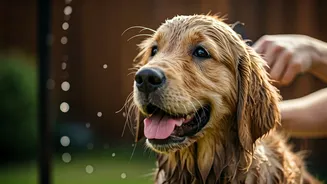
While your first instinct might be to bathe your dog more often when they’re constantly getting dirty, it can backfire. Over-bathing with harsh soaps can strip the skin of its natural oils, weakening its defensive barrier. During wet seasons, stick to a reasonable schedule—perhaps once every few weeks, unless they’ve rolled in something truly foul. When you do bathe them, use a vet-recommended moisturizing or medicated shampoo. The most critical step, however, is the drying. Towel-drying isn’t enough. Use a blow dryer on a low, cool setting to ensure their coat, especially in dense-furred breeds, is completely dry all the way to the skin. A damp undercoat is a welcome mat for yeast and bacteria.
Know When to See a Pro
A good routine is preventative, but it’s not a cure-all. It’s crucial to know the early signs of a skin infection so you can act quickly. Be on the lookout for persistent licking or chewing of paws, redness and inflammation, hair loss, or a funky, corn-chip-like odor, which is a classic sign of a yeast overgrowth. If you spot weeping sores, notice your pet seems lethargic, or if a minor issue doesn’t improve after a few days of attentive home care, it’s time to call the vet. A simple skin scrape can diagnose the problem, and a course of prescription topicals or medication may be needed to clear up an infection before it becomes a major issue.