
Start with Smart Window Treatments
Your windows are a primary source of heat loss in the winter and heat gain in the summer. According to the U.S. Department of Energy, about 30% of a home's heating energy is lost through windows. But they're also a major design feature. This is where
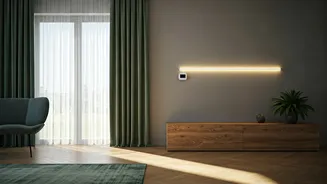
function and form meet perfectly. High-quality thermal curtains or drapes are an obvious choice, providing a thick barrier that looks luxurious while keeping your interior temperature stable. For a more modern aesthetic, consider cellular or honeycomb shades. Their unique, pocket-like construction traps air, providing a surprisingly high level of insulation. By choosing colors and fabrics that complement your room, you’re not just plugging an energy leak; you’re making a style statement that works for you 24/7.
Rethink Your Lighting Philosophy
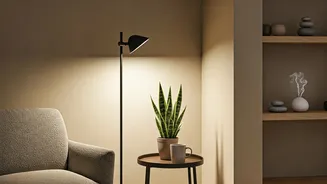
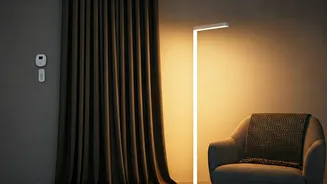
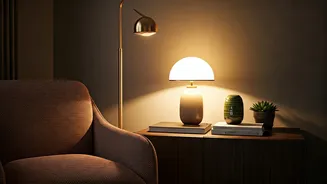
Switching to LED bulbs is the most common energy-saving advice, and for good reason: they use at least 75% less energy and last 25 times longer than incandescent lighting. But responsible lighting design goes beyond the bulb itself. It’s about creating layers of light and using it intentionally. Instead of flipping on a single, harsh overhead fixture, use a combination of task lighting (like a reading lamp) and ambient lighting (a stylish floor lamp). Install dimmer switches wherever possible. They not only create atmosphere but also reduce energy consumption and extend bulb life. Smart bulbs take it a step further, allowing you to schedule lighting, dim it from your phone, and ensure lights are never left on in an empty room. This approach makes your home feel more dynamic and sophisticated while cutting down on waste.
Leverage Textiles on Floors and Walls
Rugs and tapestries are often seen as purely decorative, but their thermal properties are significant. A well-placed area rug, especially over a hard surface like wood or tile, adds a layer of insulation between you and a cold floor, making a room feel cozier and allowing you to nudge the thermostat down a degree or two. The thicker the rug, the better its insulating power. This is particularly effective in basements or rooms over unheated garages. The same principle applies to walls. While we may not all be hanging medieval-style tapestries, a large-scale fabric art piece can add a touch of softness and a minor insulating benefit, all while serving as a beautiful focal point.
Arrange Furniture for Airflow and Light
Sometimes the most effective changes are free. The way you arrange your furniture can have a real impact on energy efficiency. Take a look at your HVAC vents—are they blocked by a sofa or a heavy cabinet? Obstructing airflow forces your heating and cooling system to work harder to circulate air, wasting energy and creating uneven temperatures. Simply pulling furniture a few inches away from vents can improve system performance. Also, consider the path of natural light. By keeping heavy, dark furniture away from south-facing windows, you allow more winter sunlight to stream in and passively heat the space. In the summer, a strategically placed screen or a light piece of furniture can help block some of that intense afternoon sun.
Use Color and Reflection to Your Advantage
The color of your walls can influence how much artificial light you need. Lighter, neutral colors like white, cream, and pale gray are highly reflective, bouncing natural and artificial light around the room. This creates a brighter, more airy feel and can reduce the need to turn on extra lamps, especially during the day. A can of light-colored, low-VOC paint is one of the cheapest and most effective decor upgrades you can make. Pairing light walls with a well-placed mirror is a classic designer trick for a reason. Mirrors not only make a space feel larger but also double the amount of light in their vicinity, further reducing your reliance on electricity for illumination.