







More Than Just a Meal
Step into a Hindu temple or a Sikh gurdwara in the U.S., and you're likely to encounter a profound act of hospitality: the offering of food. This isn't just a community lunch. In the Hindu tradition, this food is known as *prasad*—a blessed offering that
has first been presented to the deities. The act of receiving and eating it is considered a spiritual experience, a tangible connection to the divine. Similarly, the Sikh practice of *langar* is a radical act of communal service, where a free vegetarian meal is served to all visitors, regardless of faith, gender, or social status. In both contexts, food transcends mere sustenance. It is prepared with intention, devotion, and a focus on purity, setting the stage for a form of wellness that nourishes the body, mind, and spirit simultaneously.
The Sattvic Philosophy of Purity
The foundation of much of this temple cuisine is the Ayurvedic concept of a Sattvic diet. Ayurveda, the ancient Indian system of medicine, categorizes food into three types, or *gunas*: Sattva (purity, harmony), Rajas (passion, activity), and Tamas (inertia, darkness). Temple food is almost exclusively Sattvic. This means it’s fresh, light, and life-promoting. It typically avoids ingredients considered Rajasic (overly spicy, stimulating like onions and garlic) or Tamasic (stale, processed, heavy). The goal isn't just to provide a vegetarian meal, but to offer food that promotes a calm, clear, and peaceful state of mind. It’s a diet designed to support meditation and spiritual contemplation. In a modern wellness landscape obsessed with “clean eating,” the Sattvic diet is the original blueprint—an intentional way of eating that links a peaceful gut to a peaceful mind, without the high price tag or celebrity endorsement.
Simplicity as the Ultimate Superfood
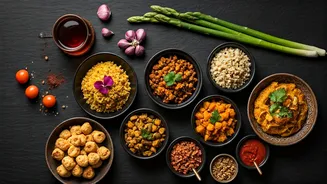
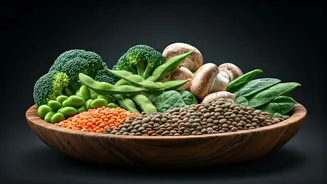
Look at what’s actually served: simple lentil dals, seasonal vegetable curries (*sabzis*), whole-wheat rotis or fluffy rice, and perhaps a small portion of a sweet like *kheer* (rice pudding) or *halwa*. The ingredients are humble, seasonal, and whole. Spices like turmeric, cumin, coriander, and ginger are used for their digestive and anti-inflammatory properties, not just for aggressive flavor. The cooking process itself is a form of mindfulness. Volunteers often prepare the meals with a sense of service (*seva*), chanting or maintaining a peaceful mindset. This infuses the food with a positive energy that commercial kitchens can't replicate. It’s a powerful reminder that wellness doesn’t require exotic superfoods or complicated recipes. Often, the most nourishing things are the simplest, prepared with care and positive intention.
Nourishment for the Community
Perhaps the most potent wellness ingredient in temple food is community. In the West, wellness can often feel like a solitary pursuit—a personal journey of optimization. The practice of *langar* stands in stark contrast. Everyone sits on the floor together at the same level, a powerful symbol of equality, and eats the same meal. It breaks down barriers and fosters a sense of unity and belonging, which study after study shows is critical for mental and emotional health. Eating together is an ancient human ritual, and temple food preserves this practice as a sacred act. It’s not about calorie-counting or tracking macros; it's about sharing, connection, and the collective good. This communal nourishment fights loneliness and social isolation, feeding a hunger that no protein shake can satisfy.