




From Passive Comfort to Active Recovery
For decades, a luxury hotel stay was defined by passive comforts: a plush mattress, high-thread-count sheets, and maybe a mint on the pillow. The goal was simple escapism. But as modern life accelerates and burnout becomes a chronic cultural condition,
the definition of a restorative getaway is changing. Enter the wellness hotel, a destination built around the concept of 'intentional rest.' This isn't just about providing a comfortable place to sleep. It’s about creating an immersive environment where every detail is engineered to help you actively recover, reset your internal clock, and learn how to rest more effectively long after you’ve checked out. Instead of simply offering a spa, these hotels integrate wellness into their very DNA, turning a vacation into a guided practice in rejuvenation.
The Architecture of Sleep
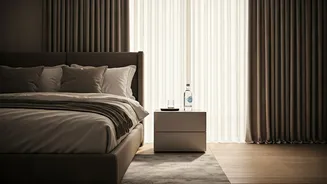
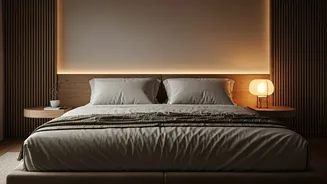
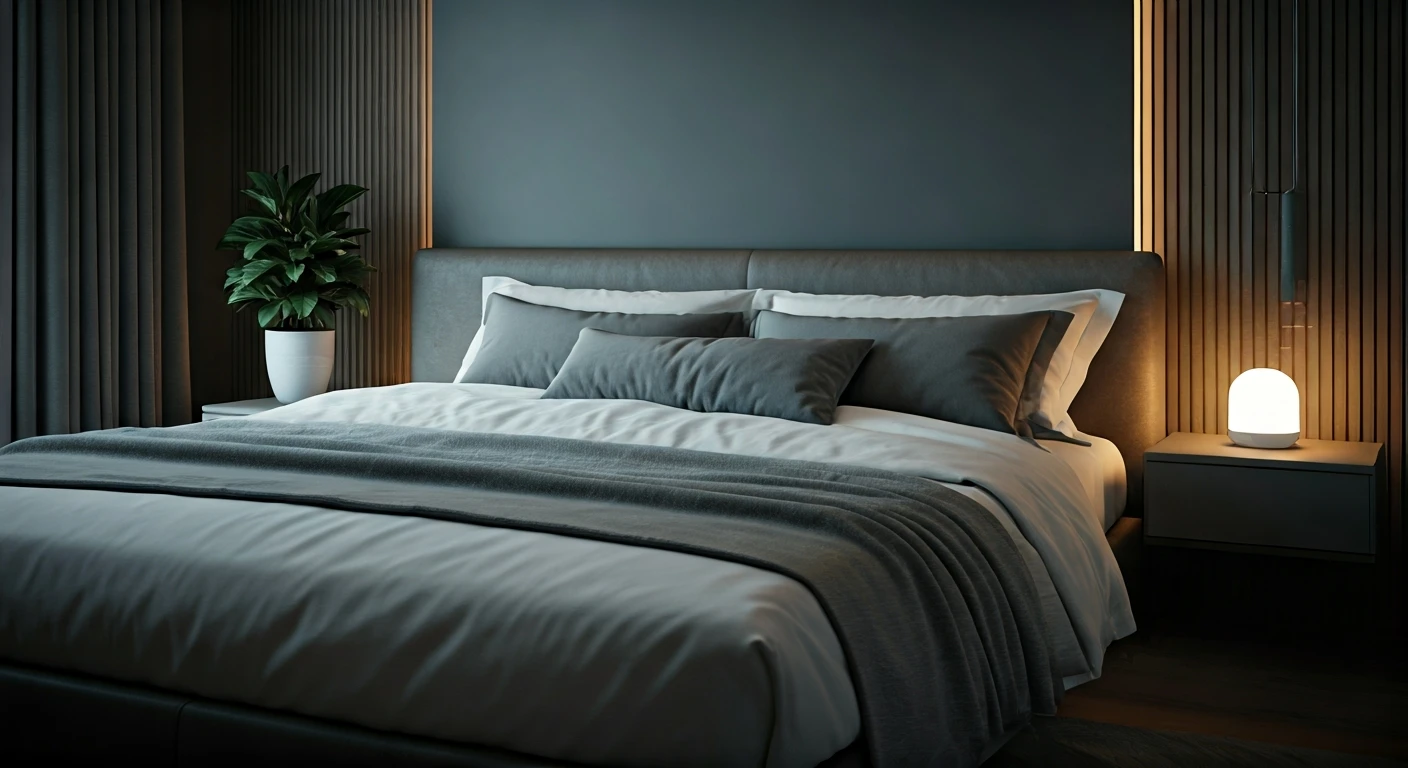
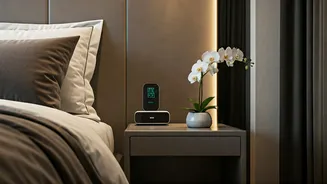
So, what does intentional rest look like in practice? It starts with the room itself. Many wellness-focused properties are investing heavily in what could be called the 'architecture of sleep.' This goes far beyond a good bed. We’re talking about features like dynamic circadian lighting that mimics the natural progression of sunlight, helping to regulate your sleep-wake cycle. Blackout curtains are a given, but they’re often paired with advanced soundproofing to create a sensory-deprivation 'sleep sanctuary.' Pillow menus offer options for every type of sleeper, from contoured memory foam to cooling gel. Some hotels, like the Equinox Hotel in New York, even boast rooms that are, by their own metric, 'dark, quiet, cool.' Air purifiers, aromatherapy diffusers with calming scents like lavender, and even weighted blankets are becoming standard amenities, all designed to remove the physical and mental barriers that stand between you and a deep, restorative slumber.
Rituals, Not Just Routines
While the hardware is impressive, the 'software' is where these hotels truly differentiate themselves. The experience is managed through curated programs and rituals designed to teach guests how to disconnect. Instead of a generic gym, you might find dedicated meditation pods, infrared saunas, and cold plunge pools. Many properties, such as those under the Six Senses and Miraval brands, offer personalized sleep assessments with on-site specialists. These can include tracking your sleep patterns and providing tailored advice. Guests might be invited to participate in guided yoga nidra (a powerful form of sleep-based meditation), sound baths, or tech-free challenges where phones are voluntarily surrendered upon arrival. Menus are often crafted by nutritionists to promote rest, featuring magnesium-rich foods and calming herbal teas instead of caffeine and sugar. The goal isn't just to provide activities, but to build a sequence of experiences that gently guides the body and mind toward a state of profound relaxation.
A Direct Response to Burnout Culture
This trend isn’t happening in a vacuum. It’s a direct and compelling market response to the pressures of modern American life. The 'always on' work culture, the endless stream of notifications, and the glorification of 'the hustle' have left millions feeling perpetually exhausted. Traditional vacations, often packed with sightseeing, social obligations, and travel logistics, can sometimes add to the stress rather than alleviate it. The rise of 'sleep tourism' and intentional rest hotels reflects a collective realization that what we need isn't just a break, but a strategic retreat. These hotels are betting that a growing number of travelers are willing to invest not just in seeing a new place, but in healing themselves. They’re trading sightseeing for 'sleep-seeing,' recognizing that the most valuable souvenir they can bring home is a renewed sense of well-being and the tools to maintain it.