



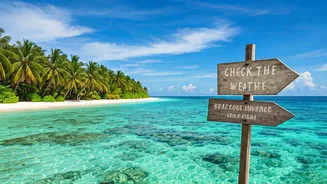
Understanding the Archipelago's Lifeline
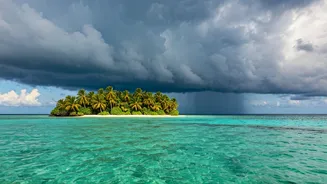
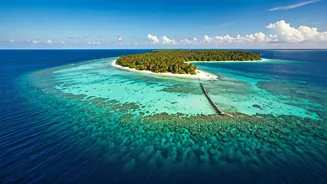
First, a quick geography lesson, because it’s key to understanding the travel risks. Lakshadweep isn’t a single landmass; it's a string of 36 islands and atolls scattered in the Laccadive Sea, about 250 miles off the southwestern coast of India. Only
ten of these islands are inhabited. This isolation is part of its charm, but it also means that transportation between the islands and to the mainland is entirely dependent on sea and air services. There are no bridges connecting this fragile paradise to the rest of the world. Everything from food supplies to tourists arrives via a small airport on Agatti Island or by ship from Kochi. When the weather turns, these lifelines become incredibly vulnerable.
When the Monsoon Hits
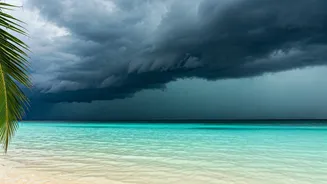
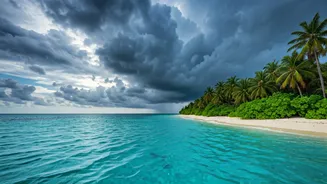
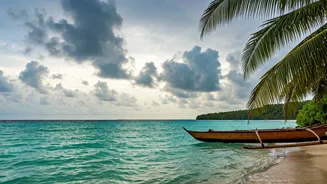
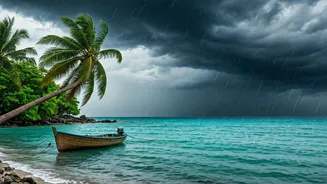
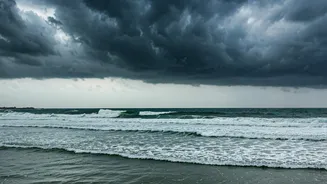
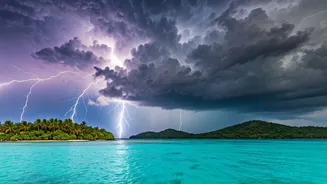
The Southwest Monsoon is not just a little bit of rain. From roughly June through September, it brings torrential downpours, high-speed winds, and, most consequentially, extremely rough seas. While the islands themselves turn a lush, vibrant green, the surrounding ocean transforms into a turbulent and unpredictable force. This isn’t the occasional tropical shower you might expect in the Caribbean; it's a persistent, powerful weather system that fundamentally alters life on the islands for several months. For travelers, this means the idyllic postcard image is replaced by a much more dramatic and challenging reality.
The Travel Gamble: Flights and Ferries
The single biggest reason you need a backup plan is transportation. The primary way to reach Lakshadweep is a flight to the lone airstrip on Agatti Island, followed by boat transfers to other islands like Bangaram or Kavaratti. During the monsoon, flights can be delayed or cancelled due to high winds and low visibility. But the real gamble is sea travel. The passenger ships from the mainland often suspend operations or run on severely restricted schedules. More importantly, the inter-island ferry services, which are crucial for getting from Agatti to your resort, frequently halt altogether. You could find yourself flying into Agatti with no way to get to your final destination, or worse, stranded on an island long after your planned departure date. This isn't a minor inconvenience; it's a logistical dead-end.
Activities on Standby
Let's be honest: the main reason to visit Lakshadweep is for its world-class water activities. Scuba diving, snorkeling, kayaking, and glass-bottom boat tours are the star attractions. During the monsoon, nearly all of these are off the table. Rough seas and poor underwater visibility make diving and snorkeling unsafe and unenjoyable. Most water sports operators shut down completely during this period. Many resorts also close for maintenance or operate with a skeleton staff and limited services. If your dream trip involves exploring the coral reefs, a monsoon visit will almost certainly lead to disappointment.
What a Backup Plan Looks Like
So, what does a smart backup plan entail? Firstly, if your heart is set on water sports and island hopping, avoid the June-September monsoon season entirely. The best time to visit is from October to mid-May. If your schedule is fixed for the monsoon months, your backup plan should be a completely different destination. Don't just book a flexible flight and hope for the best. Instead, consider an alternative Indian destination that thrives during the monsoon, like the hill stations of Munnar or the cultural hubs of Rajasthan. If you absolutely must attempt a monsoon trip to Lakshadweep, the backup plan means having fully refundable bookings, a flexible work schedule for potential multi-day delays, and a healthy budget for unexpected hotel stays on Agatti or the mainland. It means mentally preparing for a quiet, isolated retreat focused on reading and watching the rain, not an active beach vacation.