






From Aesthetics to Longevity
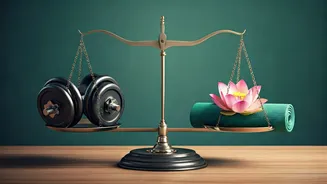
For decades, mainstream fitness culture was driven by a singular, visual goal: aesthetics. The six-pack abs, the “beach body,” the ever-leaner physique. Workouts were often a form of punishment, a way to burn off calories and carve out a specific look.
Today, a profound shift is underway. The new benchmark isn't how you look after a 12-week shred, but how well you'll be moving in 12, 20, or even 40 years. Longevity has become the new luxury good. People are trading the pursuit of a temporary aesthetic for the pursuit of a longer, healthier lifespan, or “healthspan.” This means prioritizing functional strength (Can you lift your groceries? Can you get up off the floor without using your hands?), stable energy levels, and the prevention of chronic disease. The goal is no longer just to look good, but to feel good and function well, for as long as possible.
The Rise of 'Slower' Workouts
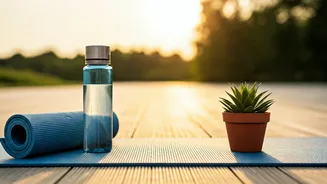
This new focus has changed the look and feel of our workouts. The once-dominant high-intensity interval training (HIIT) classes, while still popular, are no longer seen as the only path to fitness. In their place, a more balanced and “gentle” approach is taking hold. The new stars of the fitness world are Zone 2 cardio, mobility training, and strength work. Zone 2 refers to a low-intensity level of aerobic exercise where you can still hold a conversation—think brisk walking, light jogging, or cycling. Popularized by longevity experts and made trackable by wearable tech, it's praised for improving metabolic health and mitochondrial function without over-stressing the body. Similarly, practices like Pilates, yoga, and dedicated mobility work are no longer just for 'rest days.' They are becoming central pillars of a well-rounded routine, recognized for their power to build core strength, improve flexibility, and prevent injury.
Why Now? Tech and a Post-Pandemic Reckoning
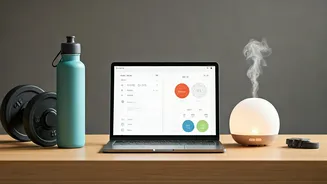
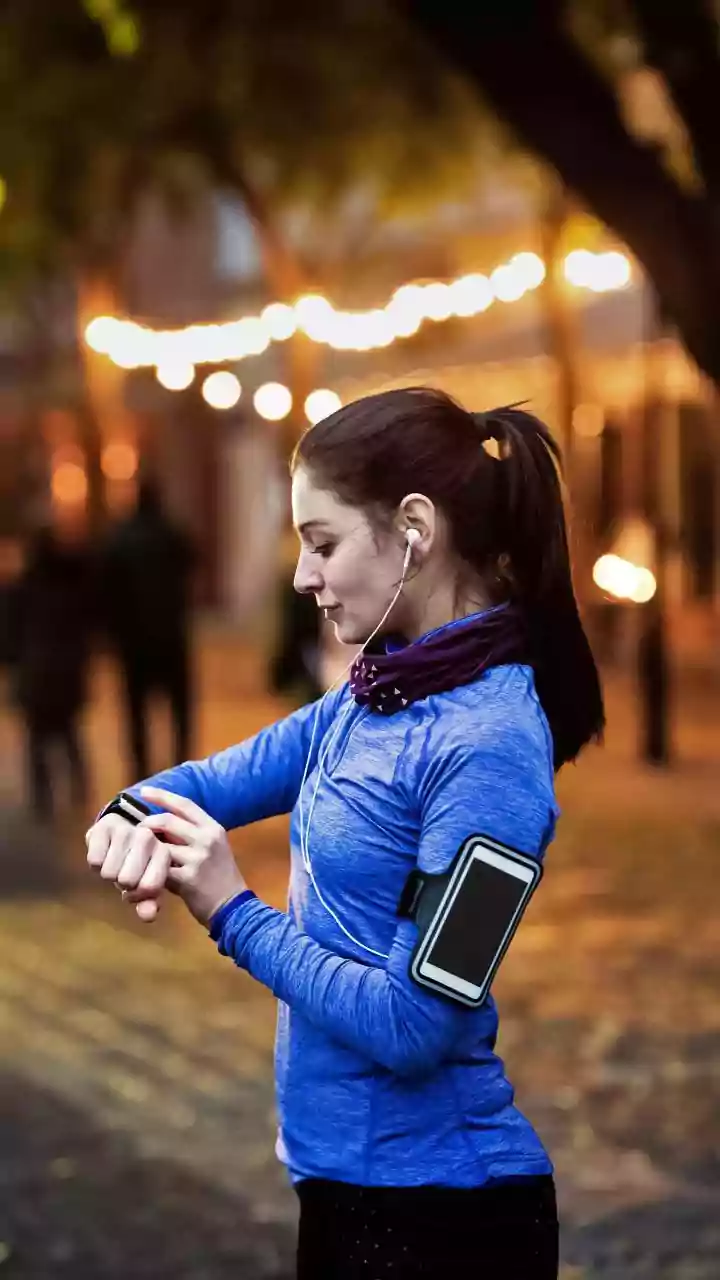
Several forces are driving this change. First, technology has democratized personal health data. Wearable devices like the Apple Watch, Oura Ring, and WHOOP strap provide real-time feedback on heart rate, sleep quality, and recovery. This data empowers individuals to train smarter, not just harder. Instead of following a generic plan, people can now see exactly how a punishing workout or a poor night's sleep impacts their body, encouraging a more personalized and responsive approach. Second, the pandemic was a massive catalyst. It forced a global confrontation with mortality and health, shifting priorities from external appearances to internal resilience and mental well-being. The isolation and stress of lockdown highlighted the crucial link between physical activity and mental health. For many, a daily walk became less about burning calories and more about clearing their head—a habit that has stuck.
A More Inclusive Definition of Fitness
Ultimately, this shift represents a maturation of our fitness culture. By moving beyond a narrow, often unattainable aesthetic ideal, the definition of what it means to be “fit” is becoming more inclusive and sustainable. It’s an acknowledgment that health is not a one-size-fits-all-model measured in reps and sets. This new paradigm values consistency over intensity, function over form, and well-being over exhaustion. It suggests that the best workout routine is not the one that breaks you down, but the one you can happily and healthily stick with for the rest of your life. It’s a less intimidating, more forgiving vision of fitness—one that welcomes people of all ages and abilities to participate in the act of caring for their bodies not as a project to be perfected, but as a home to be maintained for a long and vibrant life.