






The Social Planning Rut
Let’s be honest: our social lives, for all their importance, can fall into a rut. We cycle through the same three brunch spots, the same happy hour bars, the same dinner reservations that require shouting over a playlist. The goal is connection, but the container
for that connection often feels generic, chosen more out of habit than inspiration. You want to see your friends, but the logistics—and the options themselves—can feel uninspired, or as the kids say, ‘basic.’ This isn't a knock on a good meal. But when every get-together defaults to the same format, the experience can lose its sparkle. The pressure to choose a place everyone agrees on, the awkwardness of splitting a check, the noise level that makes real conversation a chore—it all contributes to a feeling of social fatigue. We crave an event, something with a beginning, a middle, and an end, that doesn’t require us to do all the work.
Enter the Tiered Tower
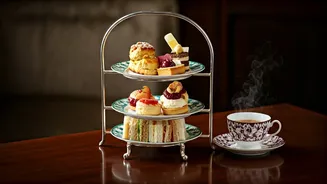
High tea offers an immediate and beautiful solution. Picture it: you’re seated at a quiet table, often in a sunlit hotel lounge or a charming dedicated tea room. There’s no frantic waving down a waiter or debating appetizers. Instead, a stunning three-tiered tower arrives, a vertical feast for the eyes before it’s a feast for the stomach. On the bottom, delicate, crustless finger sandwiches—cucumber and cream cheese, smoked salmon, egg salad. In the middle, warm scones with clotted cream and jam. At the pinnacle, a collection of exquisite miniature pastries, cakes, and tarts.
The entire experience is designed to feel special. It’s a ritual, not just a meal. The simple act of choosing a tea from a long list, the clink of porcelain, and the visual delight of the food tower all signal that this is a departure from the everyday. It has built-in pomp and circumstance, making it feel like a celebration, even if you’re just celebrating a regular Tuesday.
Structure That Fosters Connection
Perhaps the most underrated genius of high tea is its structure. Unlike a chaotic brunch where dishes arrive at random or a dinner where you’re focused on a single large plate, tea service has a natural, unhurried progression. You start with the savory sandwiches, move up to the scones, and finish with the sweets. This rhythm does something magical: it paces the conversation.
There are natural lulls and moments to talk as you move from one tier to the next. The food is small and easy to eat, meaning your attention can stay on your companions, not on wrestling with a giant plate of pasta. The environment is typically quieter, fostering actual conversation instead of strained yelling. It’s an activity that is inherently social and leisurely, lasting a good hour or two without feeling rushed. It’s the perfect setting for a real catch-up, a baby shower, or a low-key birthday.
A Quick History Lesson
Now, for the purists out there: what most Americans call “high tea” is, historically speaking, actually “afternoon tea.” Afternoon tea was the light, leisurely meal of scones and sandwiches created in the 1840s for the upper class to bridge the long gap between lunch and a late dinner. “High tea,” by contrast, was a more substantial, hot evening meal for the working class, served at a high dining table—think meat pies, potatoes, and baked beans alongside a strong pot of tea.
In the U.S., however, the term “high tea” has become synonymous with the fancy, tiered afternoon affair, likely because “high” sounds more formal and luxurious. Does the distinction matter? Not really. What matters is the experience itself, and whatever you call it, it’s a welcome change of pace.
The Daytime Advantage
Finally, there’s the simple, glorious fact that high tea happens in the afternoon. This frees up your entire evening. It doesn't compete with dinner plans or require you to stay out late on a weeknight. You can have a wonderful, indulgent social experience from 2 to 4 p.m. and still be home in time to make dinner, hit the gym, or just relax on the couch. It’s a civilized indulgence that gives you your night back. It feels both decadent and productive, a rare and wonderful combination in modern social life.