


The Search for an Analog Memory
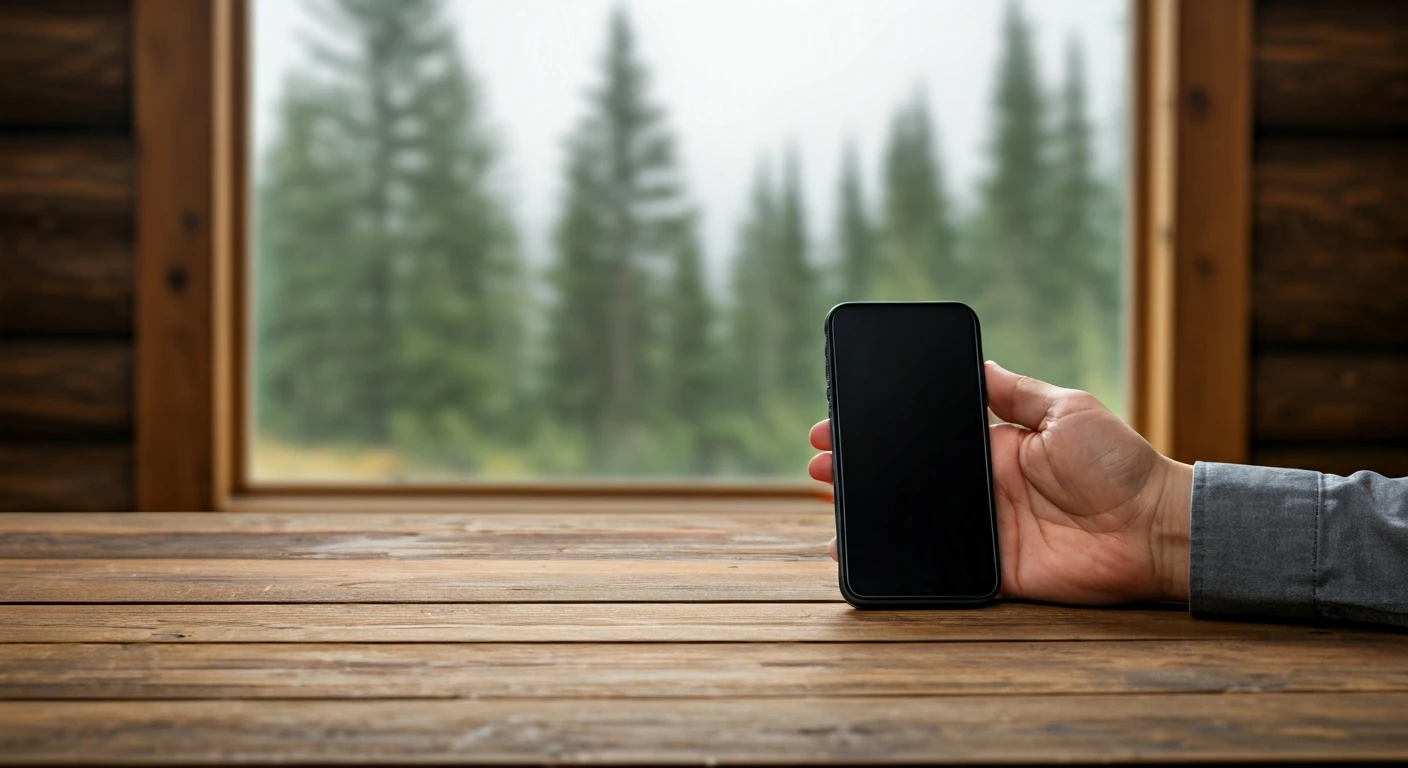
Consider the modern souvenir. For many, it’s a digital artifact—a photo album on a phone, a carefully curated grid on Instagram, a highlight reel for friends to tap through. The experience of travel is often filtered through a lens, with the goal of capturing
a shareable, polished moment. While there’s nothing wrong with a beautiful photograph, this process can flatten the rich, multi-sensory texture of being in a new place. The pressure to perform, to find the perfect angle, and to garner likes can subtly shift the focus from living the experience to documenting it for an audience. Enter the art journal. Part sketchbook, part diary, part scrapbook, this low-tech tool is becoming the chosen souvenir for travelers seeking a more private and personal connection to their journeys. It’s a rebellion in miniature, a quiet turning away from the algorithmic feed and toward the tangible page.
What is Travel Art Journaling?
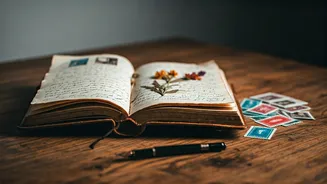
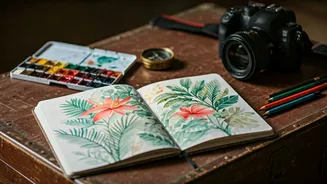
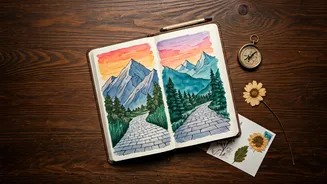
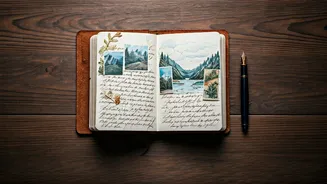
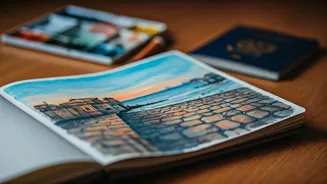
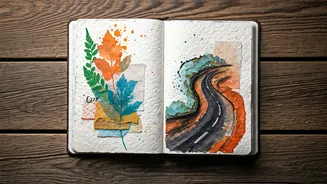
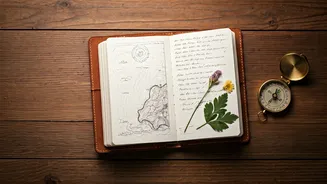
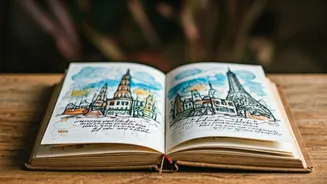
At its core, travel art journaling is the practice of recording your experiences using a mix of visuals and words. It’s not about being a great artist. In fact, its appeal lies in its freedom from expectation. A typical page might feature a clumsy sketch of a cathedral spire, a ticket stub from a train ride, a smear of watercolor attempting to capture a sunset, a pressed flower from a city park, and a few scribbled lines about the taste of a local coffee.
Unlike an Instagram post, which is designed for immediate consumption and approval, an art journal is a conversation with yourself. It’s a repository for the messy, subjective, and often un-photogenic details that make a trip memorable: the feeling of the cobblestones under your feet, the sound of a foreign language you don’t understand, the peculiar shape of a pastry. It prioritizes the process of noticing over the polish of the final product. It’s a space where a “bad” drawing is just as valuable as a masterpiece, because its purpose is to trigger a memory, not to impress.
The Joy of Imperfection
This is the heart of its “anti-Instagram” spirit. Social media thrives on a specific kind of perfection: clear, bright, and universally appealing. It encourages us to sand down the rough edges of our experiences. An art journal, by contrast, celebrates them. The smudged ink, the coffee stain on the corner of the page, the tape holding a receipt in place—these aren’t flaws. They are evidence of a real life being lived.
This embrace of imperfection is a powerful form of mindfulness. The act of sitting down with a pen and paper—whether on a park bench, in a bustling cafe, or on a hotel balcony—forces you to slow down. You can’t just point-and-shoot. You have to look, truly look, at the world around you. You notice the way the light hits a building, the specific shade of green in the trees, the expression on a stranger’s face. It’s an active, engaged form of observation that deepens your connection to a place far more than scrolling through a camera roll ever could.
A Souvenir for Yourself
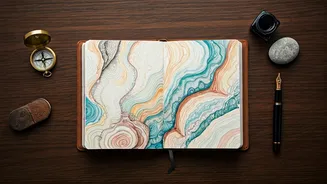
Years from now, which will hold more power? A perfectly composed digital photo stored in the cloud, one of thousands you’ve taken? Or a book filled with your own handiwork, no matter how amateur? Flipping through an old art journal is a full sensory experience. You can feel the texture of the paper, see the unique character of your handwriting, and be instantly transported back to the moment you made that mark.
The journal becomes a time capsule of your state of mind. It’s not just a record of where you went, but of who you were when you were there. It’s a souvenir that isn’t for sale in any gift shop, because its value is entirely personal. In an age saturated with digital ephemera, the art journal offers something increasingly rare: a heavy, tangible, and deeply intimate piece of your own story.