





More Than Just a Comeback
To be clear, Pilates never really went away. Developed by Joseph Pilates in the early 20th century, the method, originally called “Contrology,” has long been a secret weapon for dancers and physical therapy patients. It focuses on core strength, posture,
and flexibility through controlled, precise movements. For decades, it existed quietly in the background of the fitness world, known for its rehabilitative benefits but overshadowed by higher-intensity trends like spinning, CrossFit, and HIIT. What’s happening now is different. This isn’t just a revival; it’s a rebrand. Today’s Pilates is less about quiet rehabilitation and more about a chic, aspirational lifestyle. The surge is driven by a new generation discovering its benefits through a modern, social media-friendly lens, turning the low-impact workout into one of the hottest tickets in wellness.
The Celebrity and Social Media Effect
You can’t talk about the Pilates boom without mentioning its A-list disciples. Celebrities like Hailey Bieber, Kendall Jenner, and Lori Harvey are frequently photographed leaving studios, turning leggings and grippy socks into a new kind of paparazzi-ready uniform. Their endorsements have created a powerful halo effect, positioning Pilates not just as a workout, but as a key to achieving a certain lean, toned physique that has become highly aspirational.
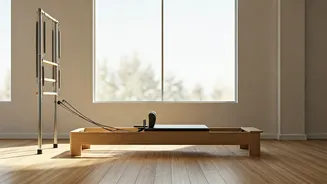
This aesthetic has been amplified exponentially on social media. TikTok and Instagram are flooded with a “Pilates princess” aesthetic, featuring serene studios, matching workout sets, and graceful movements on the reformer machine. The hashtag #pilates has billions of views, creating a powerful visual narrative that is both motivating and marketable. It’s a workout that looks as good as it feels, making it perfect for an image-conscious audience.
Post-Pandemic Shift to Mindful Movement
The timing of the Pilates surge is no coincidence. After years of pandemic-induced stress and a fitness culture that often glorified punishing, high-intensity workouts, many Americans are seeking a more sustainable and mindful approach to exercise. Pilates fits that need perfectly. It’s challenging but not depleting. It forces a mind-body connection through its emphasis on breath and control, offering a mental escape that feels restorative rather than grueling.
This shift is part of a broader wellness trend toward longevity and low-impact living. People are tired of feeling beat up by their workouts. Pilates offers the promise of building deep, functional strength and improving posture without the joint strain of high-impact cardio or heavy lifting. It’s seen as an investment in how your body will feel and function for years to come, not just a quick fix for burning calories.
The Allure of the Boutique Experience
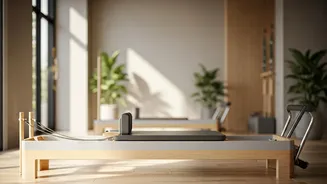
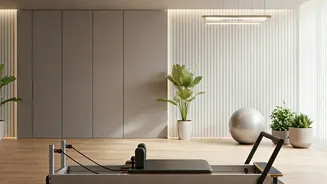
A key part of the equation is the “boutique” factor. Unlike a cavernous, anonymous big-box gym, boutique Pilates studios offer a curated experience. The classes are small, allowing for personalized corrections from instructors. The spaces themselves are often beautifully designed, with a spa-like atmosphere that makes working out feel like an act of self-care. This creates a strong sense of community and belonging, where showing up for class is also a social event.
These studios have cultivated an air of exclusivity and luxury, which further drives demand. The higher price point for classes—often $30 to $50 per session—acts as a filter, creating a self-selecting group of dedicated members. This premium experience, combined with the visible results, makes clients feel they are getting significant value, turning packed classes and waitlists into a sign of quality and desirability.