




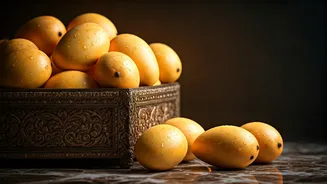



A Global Heat Problem
The main character in this year’s mango drama is Mother Nature. Key growing regions that supply the U.S. have been slammed by extreme and unusual weather. Mexico, the source of roughly two-thirds of the mangoes we eat, has been grappling with a severe
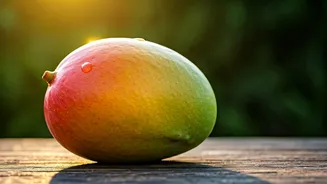
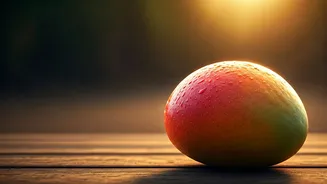
drought and intense heatwaves. This has had a direct impact on the fruit, especially the beloved yellow Ataulfo, or Honey mango. The heat caused the trees to flower later and produce less fruit, leading to a significantly delayed and smaller harvest. It's a story echoing across the globe. In India, home to the legendary Alphonso and Kesar varieties, record-shattering heat has scorched orchards, decimating up to 50% of the crop in some areas. For the diaspora communities and culinary fans who eagerly await air-freighted boxes of these fragrant treasures, it’s been a year of disappointment and scarcity. Even domestic growers in Florida are feeling the pinch from unpredictable weather patterns. Simply put, the trees are stressed, and the result is fewer mangoes for everyone.
The Supply Chain Squeeze
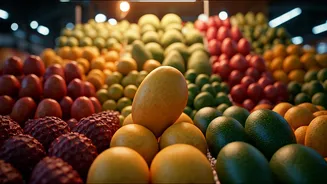
When harvests shrink at the source, a ripple effect travels all the way to your local grocery aisle. With fewer mangoes being picked in Mexico, India, and Peru, there's less fruit to pack, ship, and distribute. This isn't a case of cargo ships getting stuck; it’s a more fundamental problem of a depleted inventory. The timing is also off. The Mexican season, which typically ramps up in early spring, started weeks late. This created a gap in the market just as American consumer demand was beginning to peak. Wholesalers and distributors who normally plan on a steady stream of fruit have been forced to compete for a much smaller pool of product. This directly impacts the variety you see. You might find plenty of the hardier, greener Tommy Atkins mangoes, but the more delicate, sweeter Kent, Keitt, or Honey mangoes are harder to come by. The global shortage of premium Indian varieties means they are virtually absent from many specialty stores where they are usually a seasonal highlight.
Sticker Shock at the Supermarket
The laws of supply and demand are universal, and they are hitting the produce section hard. With significantly less supply and the same (if not growing) demand from mango-loving Americans, prices have inevitably climbed. Growers and importers have to charge more to cover their own costs and make up for the lower volume. That cost is passed on to retailers, and ultimately, to you. You might see mangoes priced individually instead of by the pound, or see prices that are 30-50% higher than you remember from last year. This isn't price gouging; it’s a direct reflection of the agricultural crisis unfolding thousands of miles away. For many, the mango is shifting from an everyday tropical treat to a more considered, special-occasion purchase. The days of casually tossing half a dozen into your cart are, at least for this season, on pause.
So, What's the 'Special' Part?
Given the shortages and high prices, calling this year’s mangoes “special” might seem strange. But the specialness isn't coming from abundance; it’s coming from rarity. This is a year that reminds us that our food doesn't just magically appear. It’s the product of a delicate dance between climate, agriculture, and global logistics. Finding a truly great mango this season—one that is fragrant, juicy, and perfectly sweet—feels like a genuine treasure hunt. The specialness lies in the appreciation. When you do splurge on one, you’re more likely to savor every bite, to be mindful of the long journey it took to get to your kitchen, and to understand the challenges faced by the farmers who grew it. This year, the mango isn’t just a fruit; it’s a lesson in the fragility and preciousness of our global food system. Its sweetness is made all the more profound by the struggle it took to produce.