





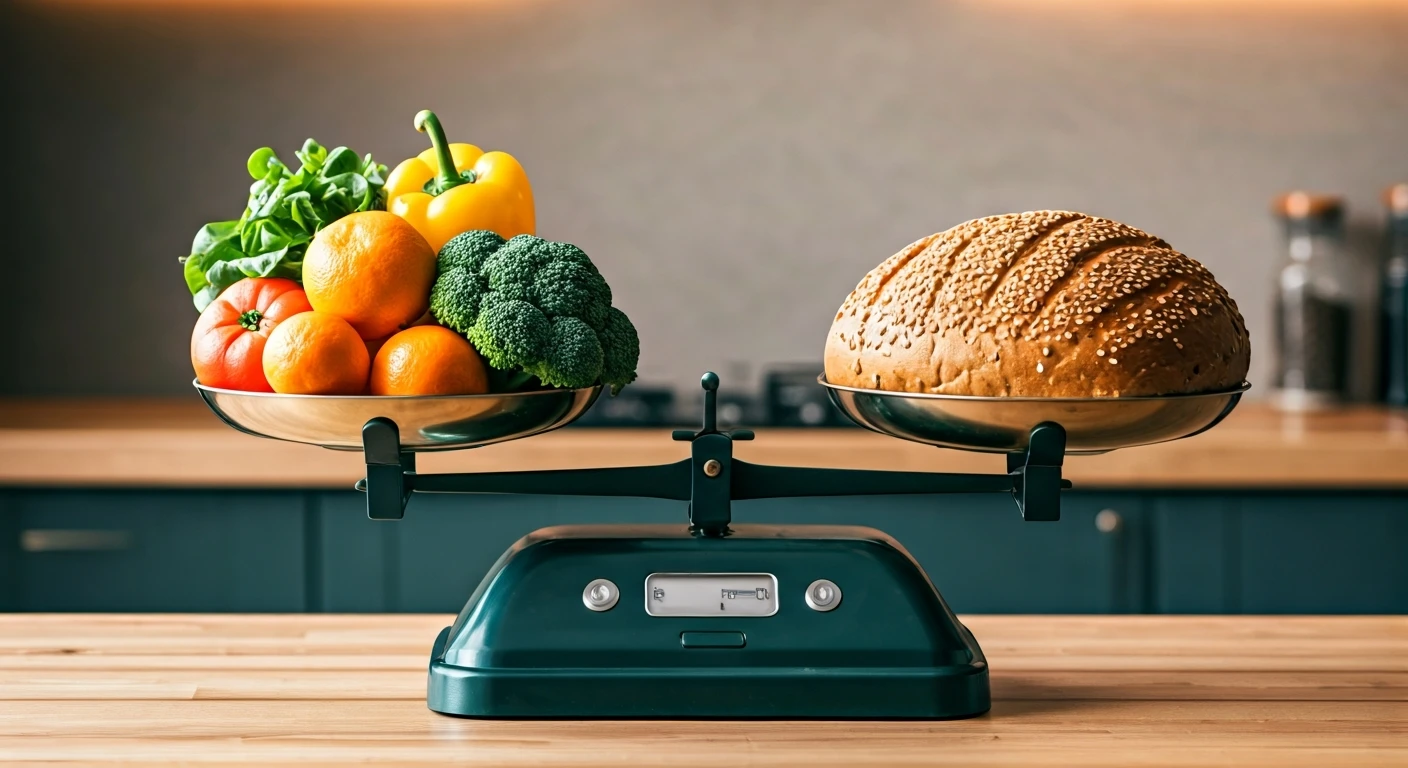

Why Punishment Backfires
Let’s start with a simple truth: your body is not a misbehaving child that needs to be put in a corner. The entire concept of a 'punishment plan'—grueling workouts to 'earn' a meal or severe restrictions to 'undo' holiday eating—is built on a foundation
of guilt and shame. Psychologically, this is a terrible strategy. When we associate food and exercise with punishment, we create a negative feedback loop. Guilt leads to restrictive behaviors that are unsustainable, which often leads to 'giving up' and over-indulging again, which then creates more guilt. It’s a vicious cycle that disconnects you from your body’s actual needs and fosters an unhealthy, adversarial relationship with food.
Add, Don't Subtract
Instead of obsessing over what to cut out, shift your focus to what you can add in. This simple reframing can transform your entire mindset. Did you enjoy a big, festive dinner? Great. Tomorrow, think about adding a nutrient-rich smoothie to your morning or a big, crunchy salad to your lunch. The goal isn't to cancel out the dinner; it's to continue giving your body the good things it needs. Focus on adding more water, more fiber from fruits and vegetables, and more gentle movement. When your plate is full of nourishing options, there's naturally less room and desire for less-nutritious choices. It’s a strategy of abundance, not deprivation, and it’s far more sustainable.
Practice Mindful Indulgence
The holidays are full of special, once-a-year treats. Denying yourself that slice of your grandma's signature pecan pie can lead to feelings of deprivation that often result in binging on something far less satisfying later. The alternative is mindful indulgence. Instead of eating it quickly while standing in the kitchen, sit down. Use a real plate and fork. Put your phone away. Pay attention to the taste, the texture, and the memories associated with it. Savor every single bite. When you truly enjoy a treat without the side of guilt, you’ll often find that a smaller portion is deeply satisfying. You'll feel content, not stuffed and remorseful.
Reframe Exercise as Movement
If you view your first post-holiday workout as a penalty for eating, you’re doing it wrong. Exercise should never be a punishment. It's a celebration of what your body can do and a powerful tool for mental and physical well-being. Reframe it as 'movement.' Maybe you don’t feel like a high-intensity session, and that's okay. How about a brisk walk with a friend to catch up? A gentle yoga session to stretch out travel-weary muscles? A family dance party in the living room? Movement releases endorphins, reduces stress, and improves your mood—all things you desperately need after a hectic holiday season. Choose activities you genuinely enjoy, and you’ll be more likely to stick with them long after the new year begins.
Listen to Your Body's Cues
After a few days of rich, heavy meals, your body will likely start sending you signals. You might crave a simple soup, a fresh salad, or just a quiet night at home. That isn't your body shaming you; it's your body communicating its needs. Learning to listen is the ultimate health skill. Honor your hunger, respect your fullness, and pay attention to how different foods make you feel. Sometimes your body wants a cookie, and sometimes it wants broccoli. Both are valid. The goal is to move away from external rules dictated by a diet plan and start trusting your internal wisdom.