



Beyond Clutter and Convention
For years, the popular image of an Indian interior—both within the country and abroad—was one of opulent maximalism. Think rich, heavy fabrics, intricate carvings, bold jewel tones, and an abundance of decorative objects, each telling a story of heritage
and status. While beautiful, this aesthetic can feel heavy in the context of modern urban life. Today, as millions navigate the exhilarating chaos of cities like Mumbai, Delhi, and Bangalore, a different priority is emerging. Designers and homeowners are consciously turning away from a purely ornamental approach. The new luxury isn't about displaying wealth; it's about curating a sense of calm. The goal is to create a home that functions as a psychological balm, a place to decompress from the sensory overload waiting just outside the front door.
The New Language of Calm
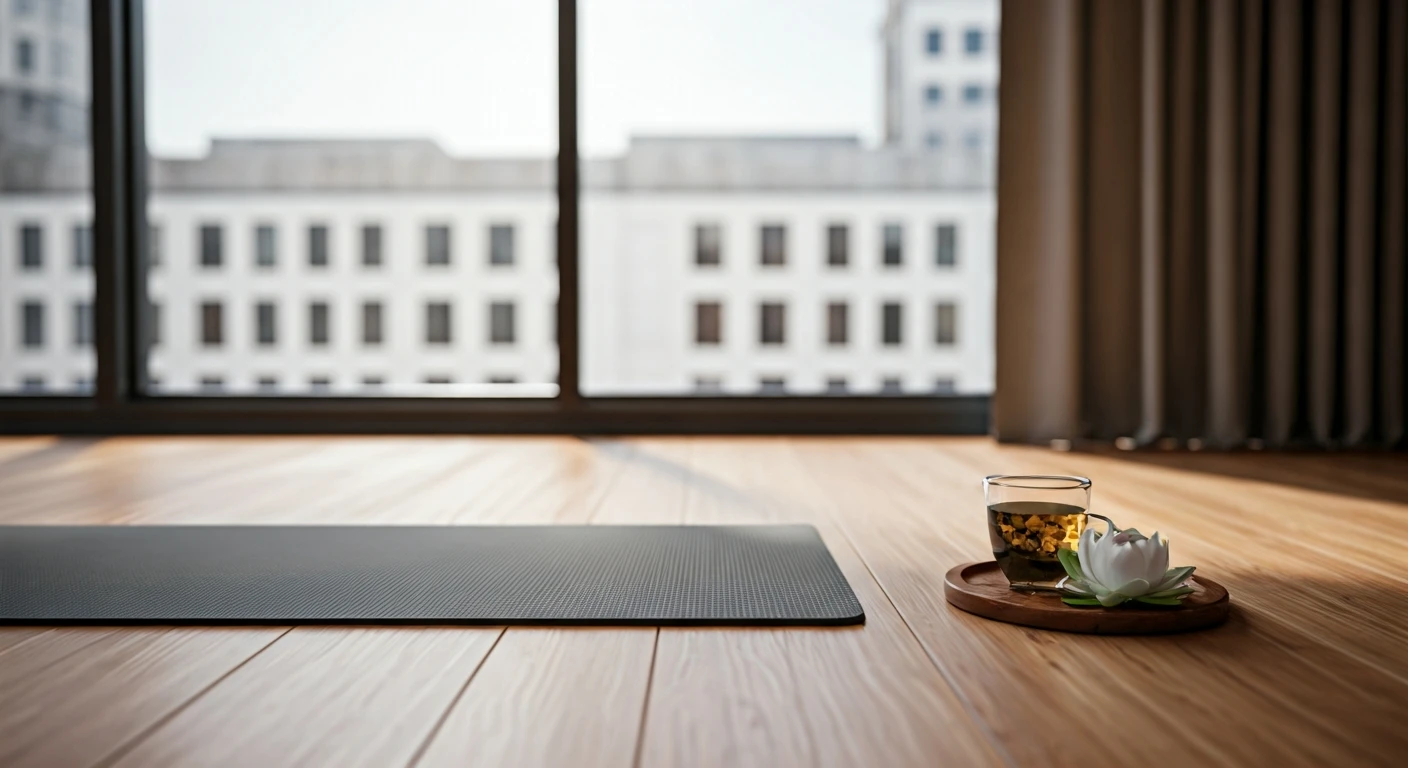
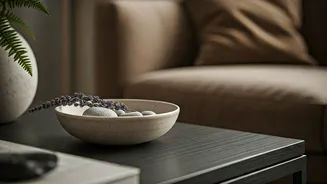
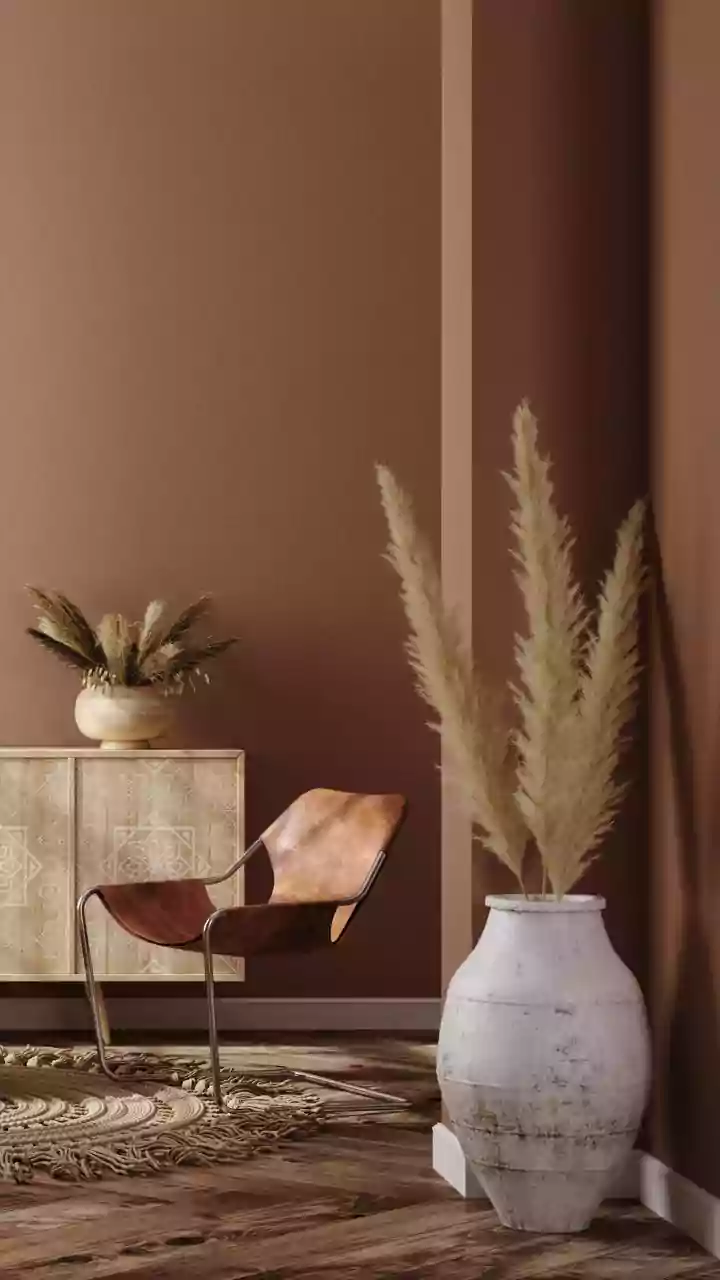
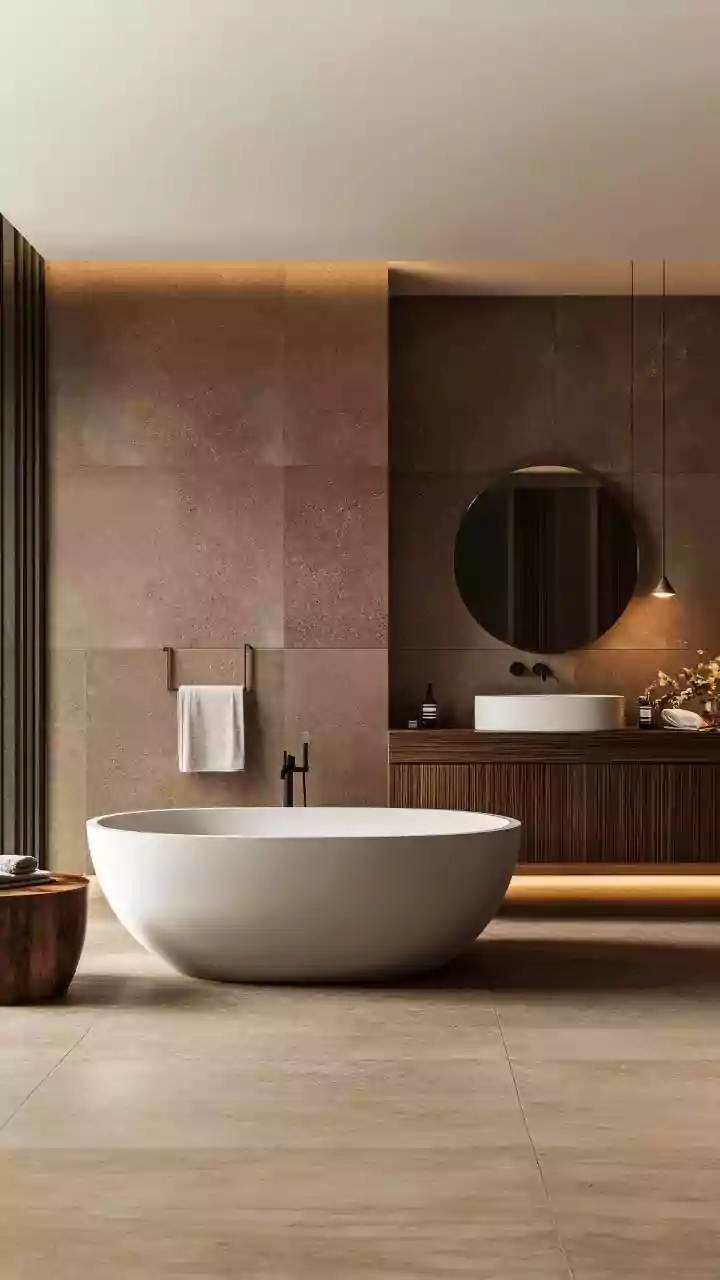
So, what does this new “peaceful” interior look like? It speaks a language of simplicity, texture, and light. The palette has shifted from vibrant crimsons and sapphires to muted, earthy tones: terracotta, sage green, sandy beige, and soft whites. Natural materials are the heroes of this story. Unfinished wood, rattan, jute, linen, and clay bring an organic, grounding element into the home. Furniture is chosen for its clean lines and comfort over its ornate details. There’s a strong emphasis on decluttering, inspired by global movements like minimalism and the Japandi style (a hybrid of Japanese and Scandinavian design), but it’s adapted with a uniquely Indian soul. A single, beautifully crafted brass lamp might be chosen over a dozen smaller trinkets. The focus is on pieces that are both functional and meaningful, that feel good to touch and look at, and that allow for literal and figurative breathing room.
Modern Wisdom from Ancient Roots
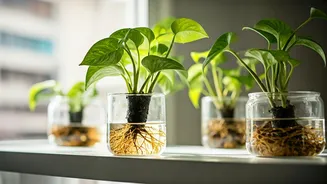
This quest for harmony isn’t entirely new. It’s also a modern revival of ancient Indian principles. Many designers are thoughtfully reinterpreting Vastu Shastra, the traditional Hindu system of architecture and design. While older applications could be rigid, the contemporary take is more fluid and intuitive. It’s less about following a strict set of rules and more about embracing the core philosophy: creating a harmonious flow of energy. This translates into practical design choices that many of us would recognize as simply good design. For example, maximizing natural light and ventilation, creating clear pathways through a room, orienting living spaces to foster connection, and using water elements or plants to create a link to the natural world. It’s about designing a space that feels energetically balanced, supporting the well-being of the people who live there.
A Sanctuary for the Self
Ultimately, this trend is more than just an aesthetic preference; it's a cultural response to the pressures of modern life. It reflects a growing understanding that our environment has a profound impact on our mental and emotional health. A “pretty” room can be impressive to guests, but a “peaceful” room serves the resident first. It’s a space designed for living, not just for show. This involves creating dedicated nooks for reading and reflection, using soft, layered lighting to calm the nervous system, and filling the home with objects that evoke positive memories and feelings rather than a sense of obligation. In a world that constantly demands our attention, the home is being reimagined as a place for mindful disconnection—a personal sanctuary designed to recharge the soul, not just to house possessions.