



The Foundation: Why Hygiene Matters
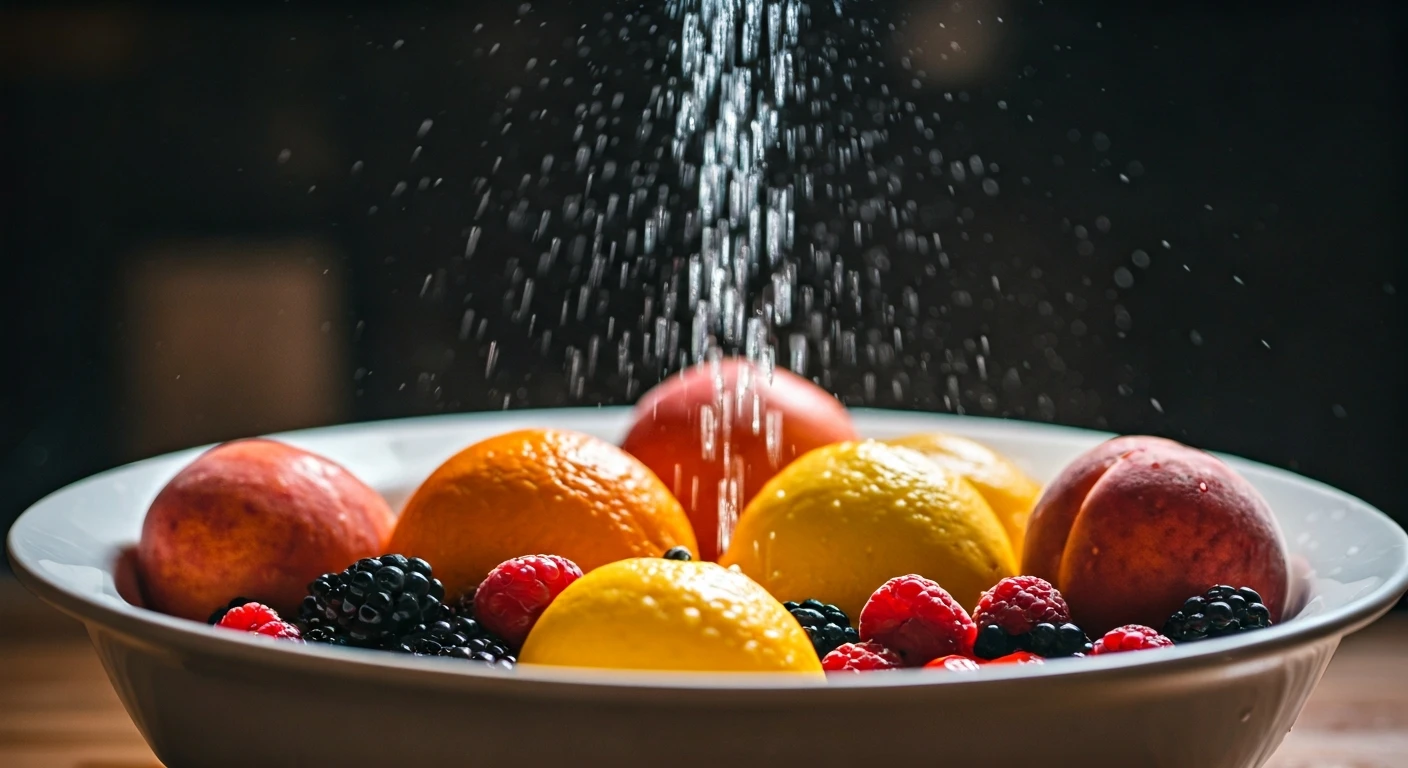
Before we even get to the fruit, let's talk about the 'with hygiene' part of the equation. It’s the unsung hero of healthy eating. Fruits pass through many hands and environments before they reach your kitchen counter. Rinsing them properly removes lingering
pesticides, dirt, and surface bacteria that can cause foodborne illness. This simple step ensures that you’re only getting the good stuff—vitamins, minerals, and fiber—without any unwanted passengers. The rule is simple: wash all produce under cool running water before you peel, cut, or eat it. And always, always wash your own hands with soap and water for at least 20 seconds before and after handling food.
Winter's Star: Citrus Fruits
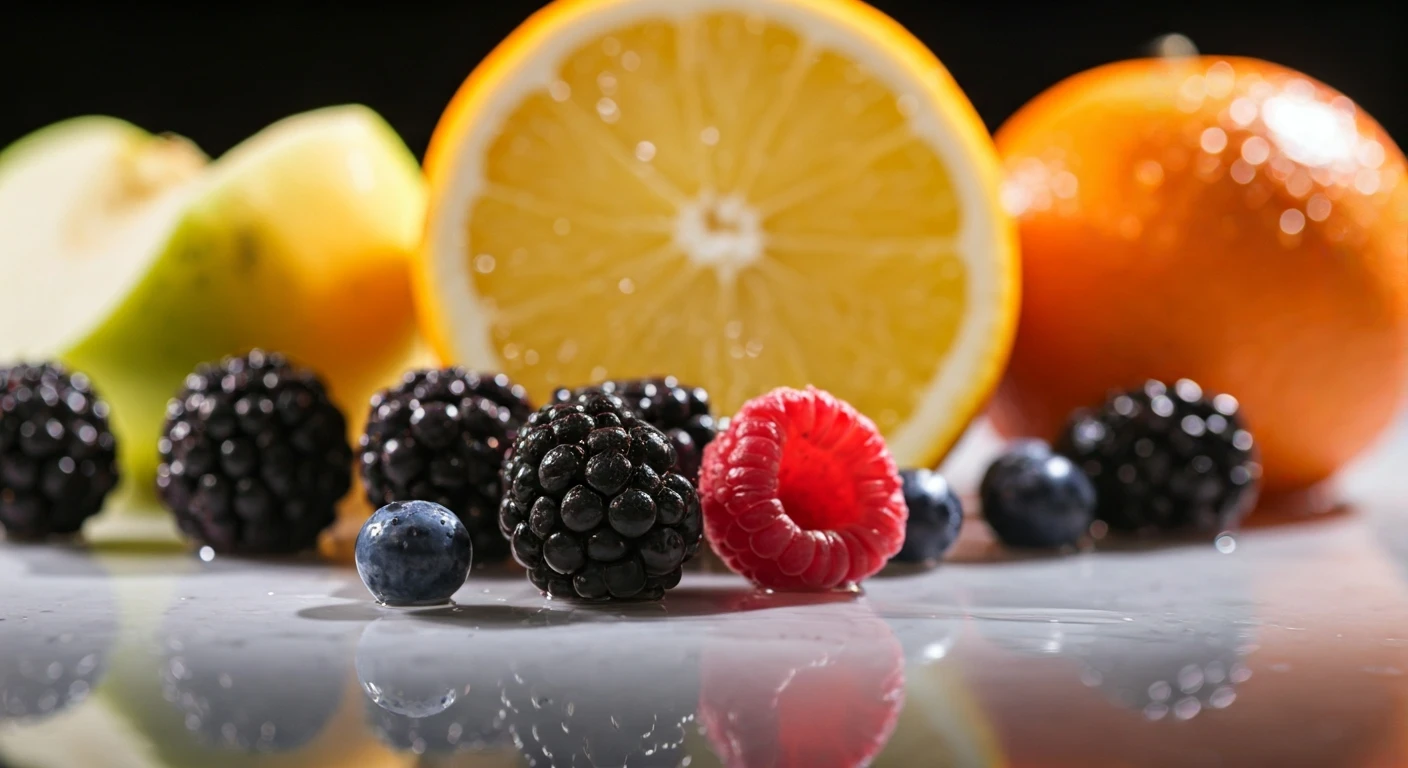
When the weather turns cold, nature provides the perfect antidote: citrus. Oranges, grapefruits, lemons, and clementines are famously packed with Vitamin C, a powerful antioxidant that is essential for the health of white blood cells, which are key players in your immune response. While it won't single-handedly prevent a cold, a consistent intake of Vitamin C helps support a well-functioning immune system. **Hygiene Tip:** Many people peel an orange without washing it first. However, as you peel, any bacteria on the rind can easily transfer to your hands and then to the fruit itself. Before you start peeling, give the whole fruit a good rinse and rub under cool water, then dry it with a clean towel. This is especially important if you plan to use the zest in a recipe.
Spring & Summer's Delight: Berries
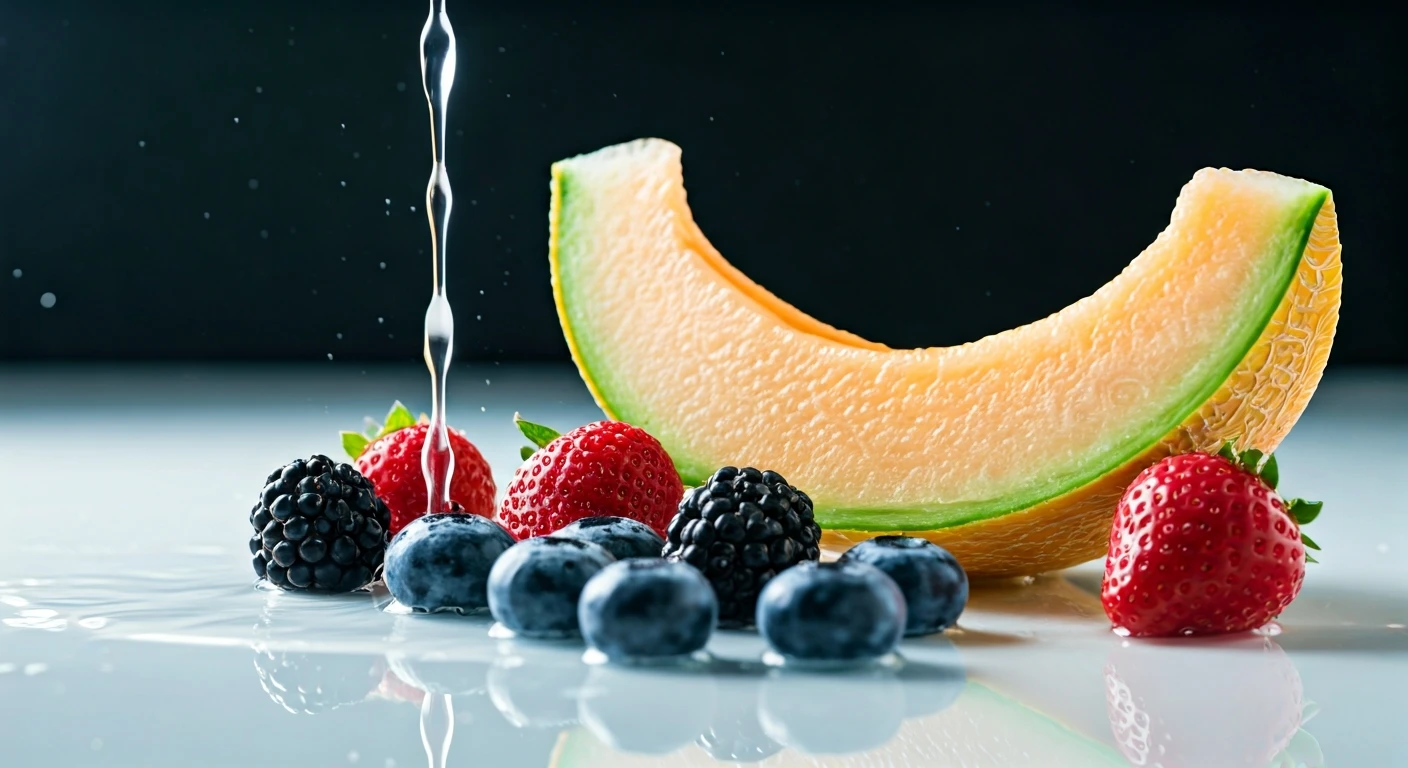
Strawberries, blueberries, raspberries, and blackberries are the jewels of the warmer months. They are bursting with flavor, but also with antioxidants called flavonoids and anthocyanins, which give them their vibrant colors. These compounds help the body fight off oxidative stress, which can impact immune function. They're also a good source of Vitamin C and fiber. **Hygiene Tip:** Berries are delicate and porous, so you shouldn't wash them until you’re ready to eat them. Washing them too early can introduce moisture that speeds up spoilage and mold growth. To wash, place them in a colander and rinse gently under cool, running water. Avoid soaking them, as they can absorb water and become mushy. Afterward, gently pat them dry with a paper towel.
Late Summer's Harvest: Stone Fruits
Peaches, plums, nectarines, and apricots define the peak of summer sweetness. These fruits are rich in vitamins A and C, both of which play crucial roles in supporting immune health. Vitamin A is particularly important for maintaining the integrity of the mucosal barriers in your respiratory tract and gut—your body's first line of defense against pathogens. **Hygiene Tip:** For fruits with fuzzy skin like peaches, a gentle rub with your hands under running water is usually enough to remove surface dirt. For smooth-skinned fruits like plums and nectarines, the same process applies. Because you often eat the skin of these fruits, a thorough rinse is non-negotiable. Always check for bruises or broken skin where bacteria could enter, and cut away those areas before eating.
Autumn's Classic: Apples and Pears
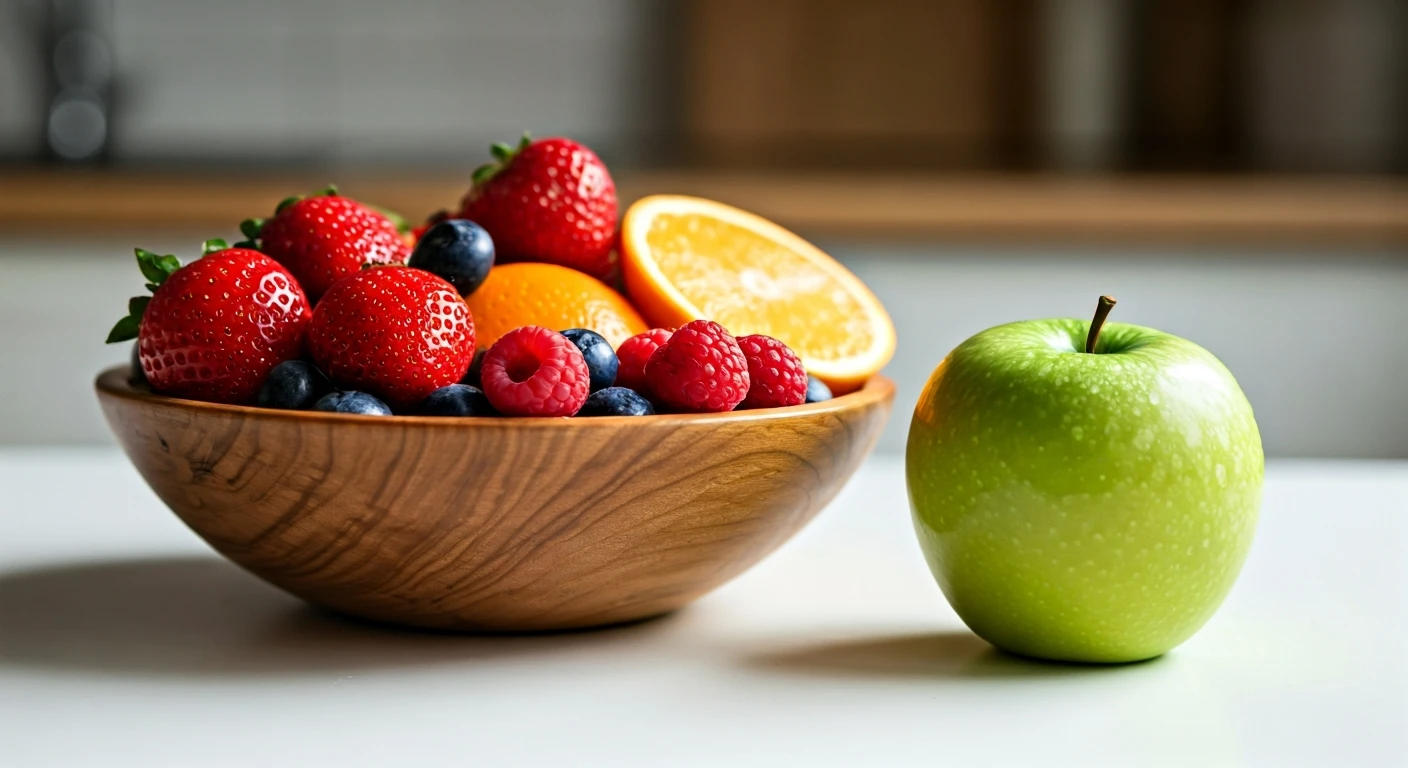
As the air gets crisp, apples and pears take center stage. They are a fantastic source of dietary fiber, which is crucial for gut health—and a healthy gut microbiome is closely linked to a strong immune system. The skin of the apple is particularly rich in quercetin, a flavonoid that has been studied for its antioxidant and immune-supporting properties. **Hygiene Tip:** Conventional apples are often coated with a thin layer of food-grade wax to preserve freshness. While the wax is safe to eat, it can trap dirt and other residues. To wash an apple or pear thoroughly, rub it vigorously under cool running water. You can use a soft-bristled vegetable brush if you want to be extra diligent. This simple scrub is all you need to prepare this fall favorite for safe snacking.