

A Storybook Setting in the Himalayas
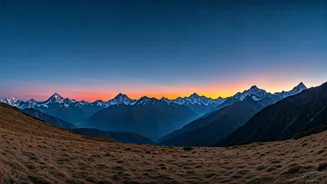
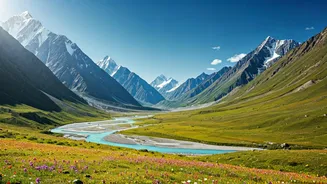
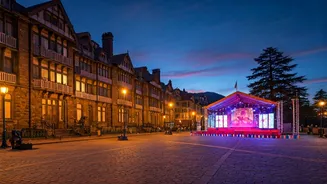
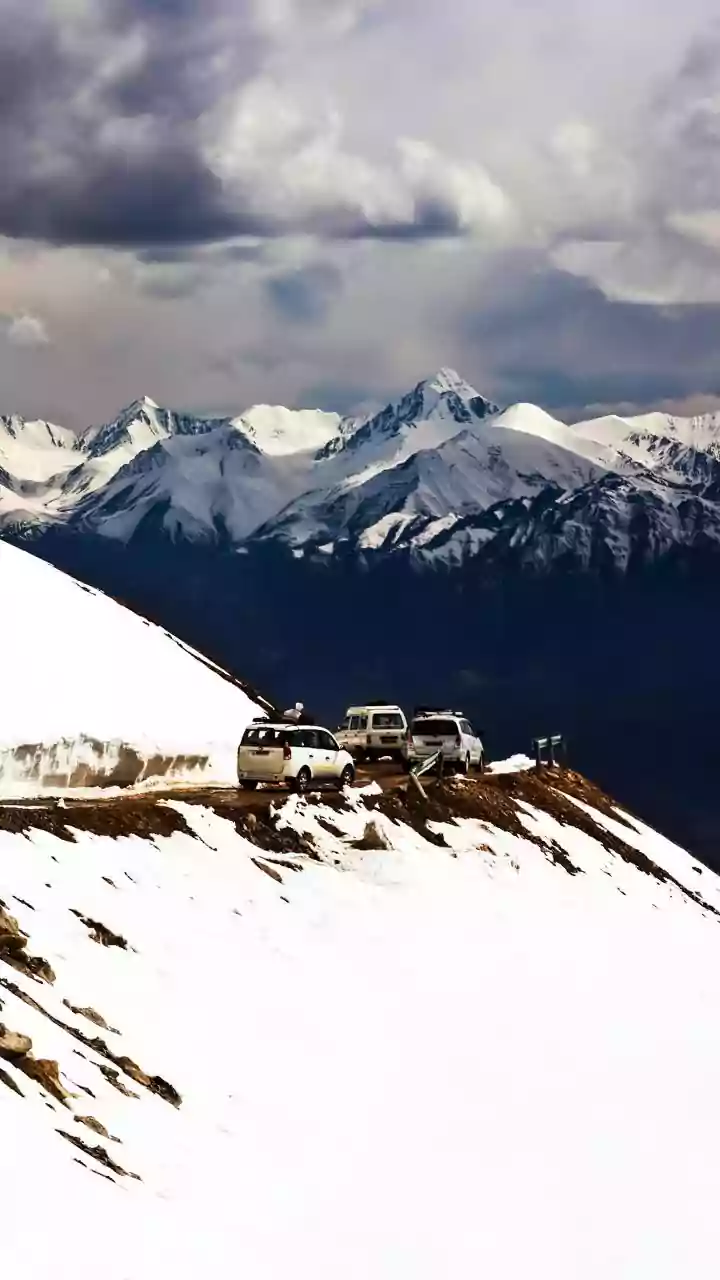
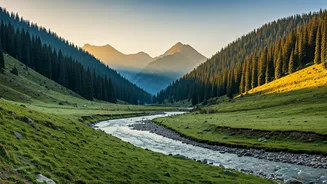
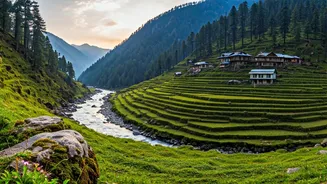
Before we even get to the festival, let's talk about the stage: Shimla. Perched high in the Indian Himalayas, this city isn't your typical tourist spot. It was once the summer capital of British India, and it shows. Picture winding roads, Gothic churches,
and charming colonial-era buildings that look like they've been plucked from a historical drama. Known as the 'Queen of Hills,' Shimla's crisp mountain air and stunning panoramic views provide a backdrop that no manufactured festival grounds could ever replicate. Arriving via the historic Kalka-Shimla toy train, a UNESCO World Heritage site, is an experience in itself—a slow, scenic climb that sets the tone for a journey into a different time. For a generation fluent in visual storytelling, the city itself is the first act, offering a naturally cinematic aesthetic that feels both grand and intimate.
A Mashup of Old-World Charm and New-Age Beats
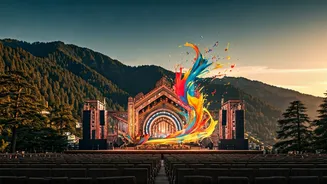
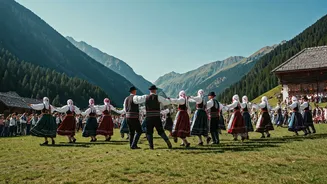
The Shimla Summer Festival, held annually since the 1960s, is the cultural heartbeat of the city. What makes it essential for an artsy crowd is its refusal to be just one thing. This isn't a stuffy, academic affair. It's a living, breathing celebration that happens on and around The Ridge, Shimla's iconic open-air public square. One night, you might be captivated by traditional Himachali folk dancers in elaborate costumes performing 'Nati,' a dance unique to the region. The next, you could be part of a massive crowd singing along with a major Bollywood pop star or a contemporary indie band. This blend is key. It respects its roots while embracing the present, offering a cultural dialogue that's far more engaging than a purely traditional or purely modern event. It’s a place to discover new sounds and appreciate ancient art forms in the same evening.
Beyond the Instagram Filter
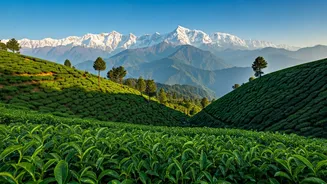
Gen Z's artistic expression is often tied to authenticity and creating unique content. The Shimla Summer Festival is a goldmine for this. Forget staged photo ops; here, the content is the culture. It's the vibrant colors of the flower show, the intricate patterns of local handicrafts sold in bustling markets, and the candid faces of performers lost in their art. It’s the steam rising from a cup of chai against a mountain backdrop, the organized chaos of the food stalls serving regional delicacies, and the eerie beauty of the mist rolling over the hills. This is the kind of 'unfiltered' reality that resonates deeply. It provides a narrative that is both personal and culturally significant—a chance to document an experience that feels genuine and rare, far from the algorithm-chasing trends and commercialized aesthetics of mainstream festivals.
A Full-Sensory, Low-Pressure Experience
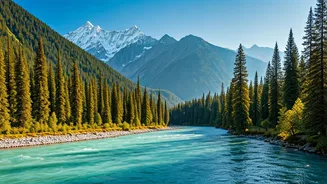
Unlike many large-scale American festivals that demand high-energy participation from dawn till dusk, the Shimla Summer Festival is woven into the fabric of the city. The vibe is more relaxed, more community-oriented. Events are typically held in the evenings, leaving your days free to explore. You can hike through cedar forests, browse the antique shops on Mall Road, visit the Jakhoo Temple with its colossal statue of the deity Hanuman, or simply sit in a café and watch the world go by. The festival offers a central point of focus, not an all-consuming agenda. This allows for a more mindful travel experience, where you can absorb the local culture at your own pace. It’s an invitation to be a participant in the life of the city, not just a consumer of an event.