

So, What Exactly Is Silly-Maxxing?
Think of silly-maxxing as the aesthetic cousin of 'dopamine dressing'—but for your living room. It’s less a formal style and more a governing philosophy: If it makes you smile, it belongs. Born from the chaotic creativity of platforms like TikTok, this
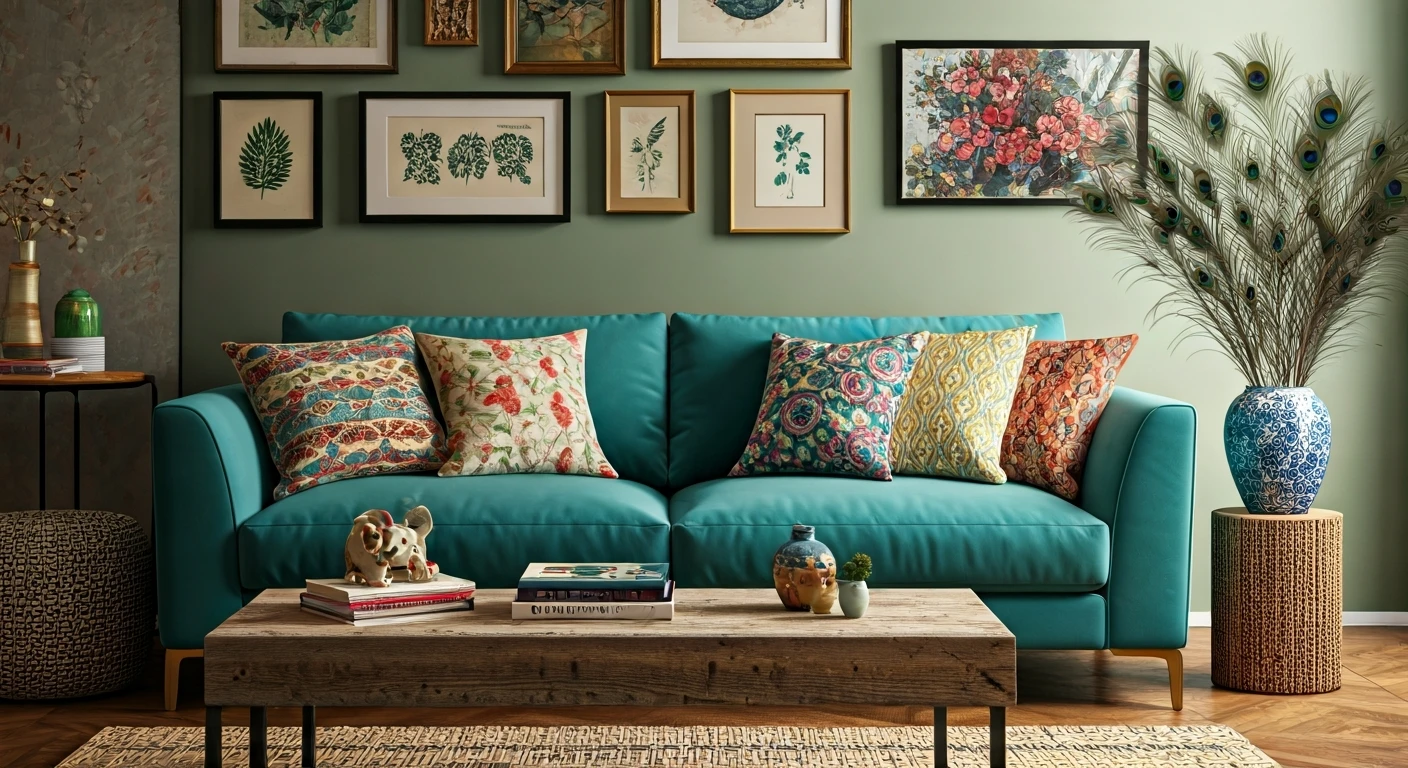
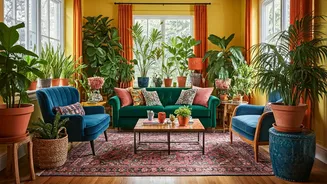
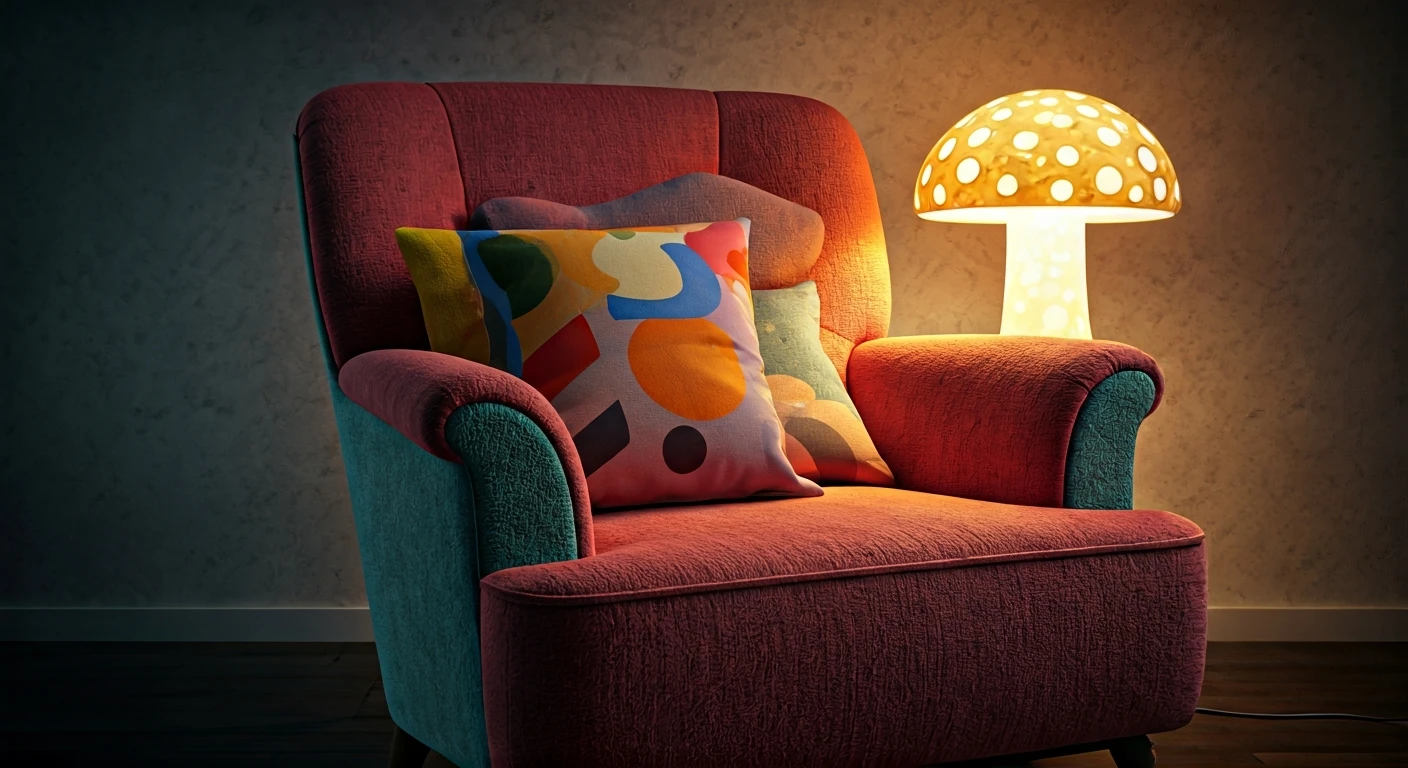
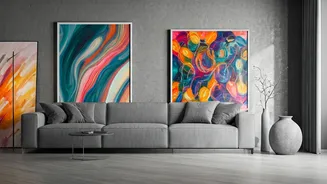
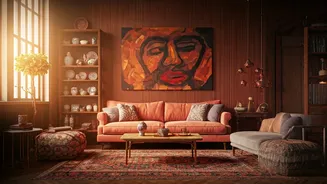
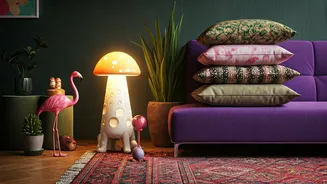
trend champions personality over polish. It’s a deliberate move away from sterile, show-home perfection and toward spaces that are unabashedly, wonderfully weird. A silly-maxxing interior is a collage of your life's most random and joyful artifacts: a lamp shaped like a mushroom, a couch in an unapologetic mustard yellow, a gallery wall of thrifted paintings of other people's pets, and that ceramic frog you won at a carnival. It's about maximizing joy, humor, and personal narrative, even if it means clashing colors, mismatched furniture, and a healthy dose of kitsch. The only rule is that there are no rules.
A Rebellion Against the Greige Empire
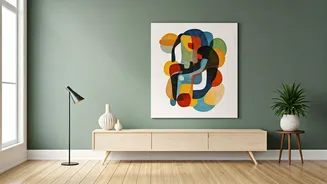
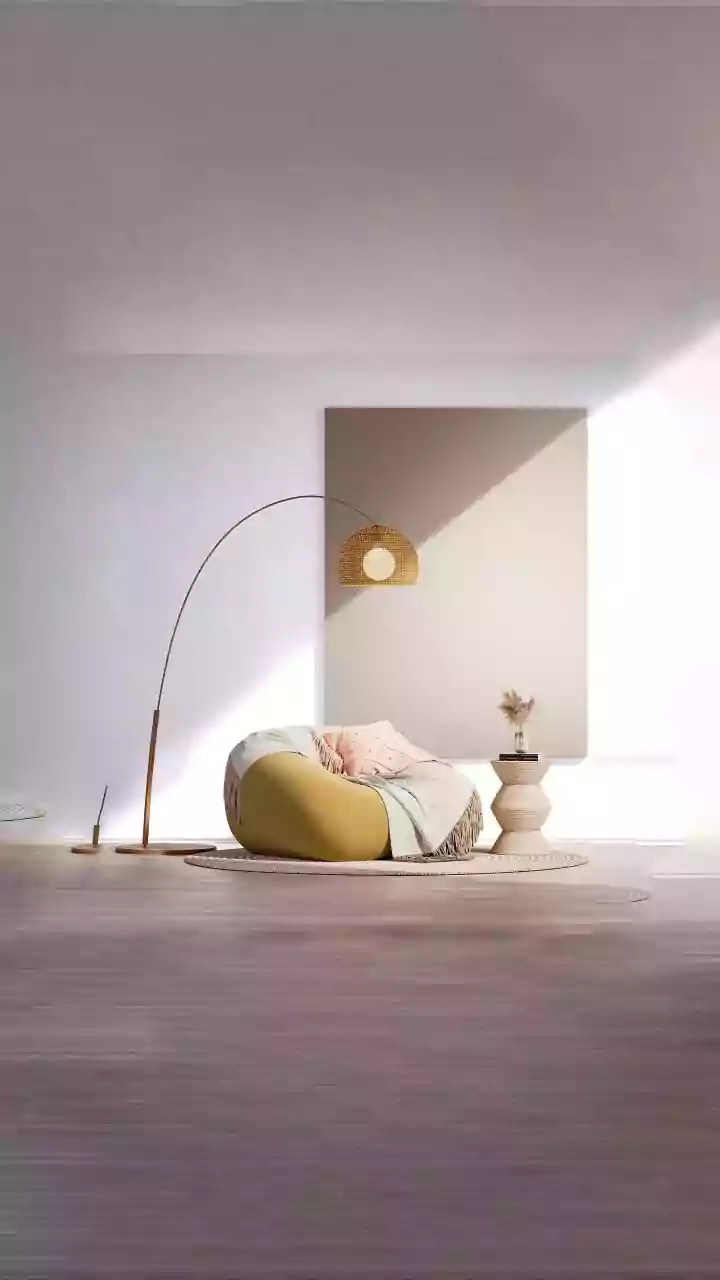
How did we get here? For the better part of a decade, home aesthetics were dominated by a specific, market-friendly look. Call it Millennial Minimalism, HGTV-core, or the 'sad beige' phenomenon. Characterized by neutral palettes, clean lines, and an almost fearful avoidance of clutter, this style was designed to be inoffensive, easily photographed for Instagram, and appealing to the widest possible real estate market. It was safe, sensible, and, for a growing number of people, suffocatingly bland. Silly-maxxing is a direct, visceral reaction to that homogeneity. After years spent indoors during the pandemic, people began to see their homes not as assets to be staged, but as sanctuaries to be lived in. The desire for a space that felt genuinely reflective of one's inner world—messy, colorful, and unique—overtook the pressure to maintain a perfectly curated, anonymous backdrop for life.
The Anatomy of a Joyfully Chaotic Room
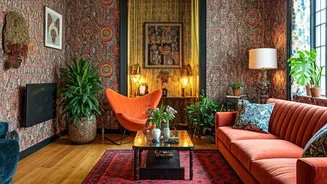
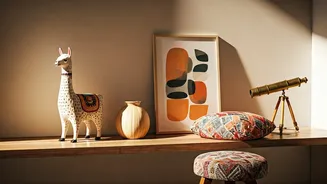
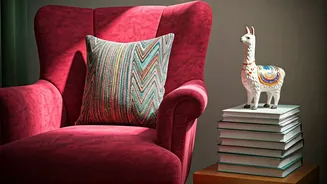
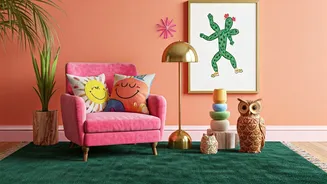
While there's no shopping list for this trend (that would defeat the purpose), silly-maxxing interiors share a certain spirit. You'll often find a blend of high and low: a treasured piece of art hanging next to a child's drawing. Bold, saturated colors are used with abandon, not as timid 'pops' but as foundational elements. Pattern mixing is encouraged, with floral wallpaper, checkered rugs, and striped pillows coexisting in chaotic harmony. Most importantly, these spaces are filled with objects that tell a story. It’s the opposite of hiding your clutter; it’s curating your beautiful, meaningful junk. Think shelves overflowing with books and quirky tchotchkes, walls adorned with personal photos and bizarre flea market finds, and furniture chosen for comfort and character rather than brand recognition. A hot dog-shaped sofa isn’t just a piece of furniture; it’s a conversation starter and a daily dose of absurdity.
It's a Mindset, Not Just an Aesthetic
Ultimately, silly-maxxing is more about psychology than decorating. It’s an act of giving yourself permission to like what you like, free from the judgment of trend forecasters or the pursuit of a flawless social media feed. In a world that often feels heavy and demands constant optimization, creating a home that is playful and unserious is a radical act of self-care. It prioritizes emotional response over design theory. Does that lumpy, handmade vase spark joy? Keep it. Does that garish '70s macrame owl make you laugh? Hang it in a place of honor. This approach decouples decorating from consumerism. Instead of buying a whole new 'look' from a big-box store, it encourages sourcing items over time from thrift stores, family hand-me-downs, and personal travels, creating a layered environment that can't be replicated because it’s authentically *you*.