






Welcome to the 'Earth Festival'
Held on the sprawling, eco-friendly campus of Visthar in Bengaluru, India, Bhoomi Habba translates literally to “Earth Festival.” It’s an apt name. For one day each year, typically around World Environment Day in June, this space transforms into a vibrant
carnival dedicated not to mourning the planet, but to celebrating its beauty and resilience. The festival's philosophy is a radical departure from the guilt-ridden, data-heavy tone that can sometimes dominate environmental discourse. Instead of focusing solely on what we stand to lose, Bhoomi Habba emphasizes what we have to cherish, protect, and enjoy through community and culture.
A Symphony of Sights and Sounds
The “anti-boring” claim isn’t just marketing; it’s woven into the very fabric of the event. Walking through Bhoomi Habba means trading a sterile conference hall for a lively marketplace of ideas and experiences. You might hear the rhythm of a traditional drum performance, watch a folk dance troupe tell an ancient story about nature, or be captivated by a street play dramatizing the impact of plastic pollution. Children are often seen gathered around a puppetry show or trying their hand at pottery, learning about ecological concepts through touch and play, not just lectures. This immersive, multi-sensory approach is the festival’s secret sauce. It makes ecological consciousness feel less like a chore and more like a cultural birthright.
Taste the Difference
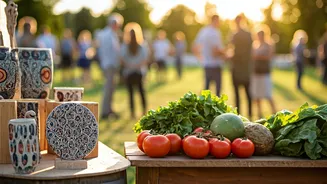
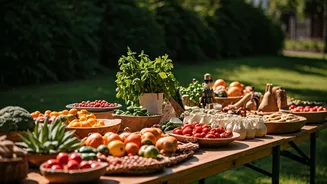
Nowhere is the connection to the earth more tangible than in the food. The festival is a haven for foodies, featuring dozens of stalls serving traditional, organic, and millet-based cuisine. Forget sad convention center sandwiches; here, you can sample regional delicacies made from locally sourced ingredients. Farmers and producers are on hand to sell their organic produce, honey, and handmade goods, allowing visitors to connect directly with the people who grow their food. This focus on sustainable agriculture and mindful consumption is a core part of the event's educational mission, but it’s delivered through the universally understood language of a delicious meal.
Art as Advocacy
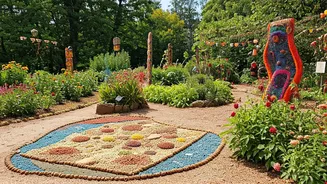
While the atmosphere is festive, Bhoomi Habba doesn’t shy away from serious topics. It simply addresses them through a more creative lens. The festival regularly hosts film screenings of documentaries focused on environmental justice, conservation, and social change. Panel discussions and workshops bring together activists, artists, and academics, but the setting encourages a more collaborative and less hierarchical exchange of ideas. Craft stalls display the work of rural artisans, promoting sustainable livelihoods and preserving traditional skills. By integrating art, film, and craft, the festival demonstrates that creativity is one of the most powerful tools we have for imagining and building a better world.