





The Great Fitness Correction
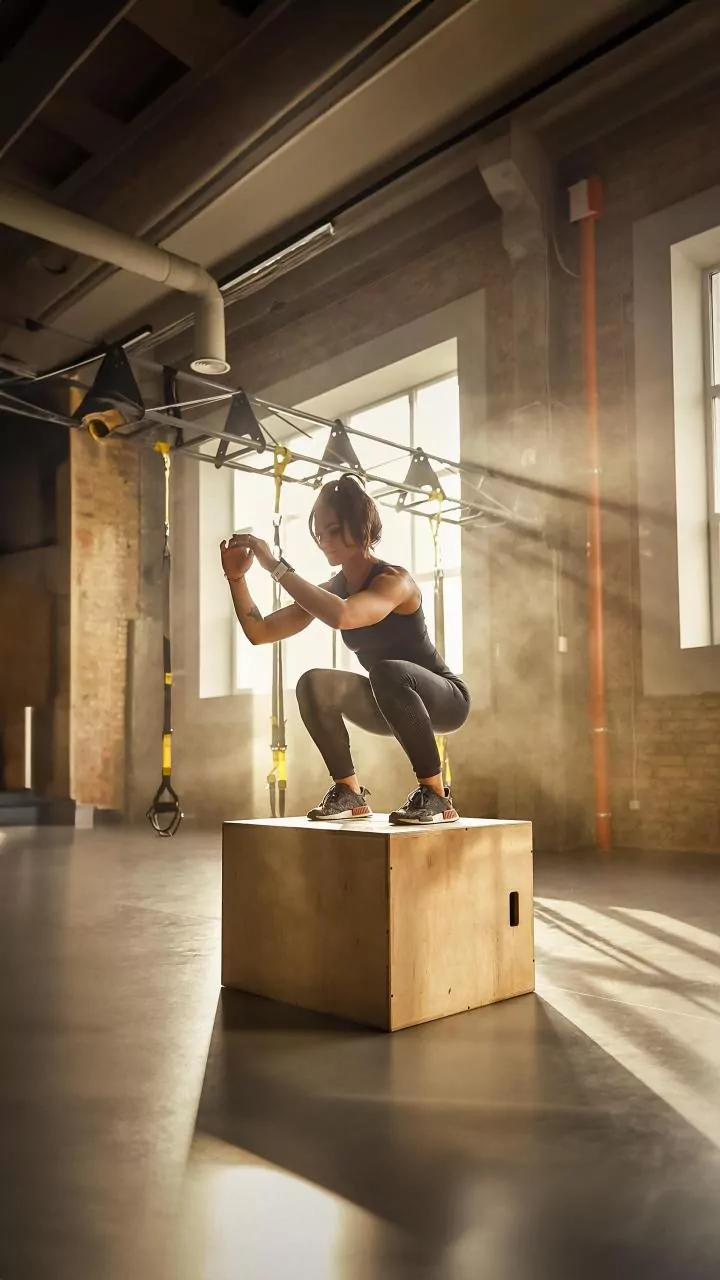
Remember the bootcamp-era mantra of 'go hard or go home'? For the better part of two decades, that was the dominant philosophy in American fitness. Workouts were things you survived, not enjoyed. Success was measured in sweat, soreness, and the occasional
injury worn as a badge of honor. But a quiet rebellion has been brewing, fueled by burnout, a shifting work culture, and a collective desire for something more sustainable. Enter 'gentle fitness.' This isn’t a new brand or a specific regimen, but a broad cultural shift. It’s the recognition that movement is a lifelong practice, not a short-term war waged on your own body. It encompasses everything from mobility exercises and long walks to somatic workouts that focus on the internal sensation of movement rather than external performance. It’s less about transforming your body and more about inhabiting it comfortably. This isn't laziness; it’s a strategic retreat from a culture of extremity that left many feeling intimidated, inadequate, or simply exhausted.
Meet the Unlikely Protagonist
So if gentle fitness is the movement, who is its star? It’s not a charismatic celebrity trainer or a complex new yoga hybrid. It’s the humble walking pad.
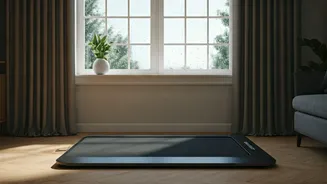
Yes, that slim, handle-free treadmill you’ve seen gliding silently under desks on TikTok. The walking pad is the perfect hero for this new era. It’s not about speed; most models top out at a brisk walk. It’s not about incline challenges or pre-programmed, high-intensity intervals. Its entire purpose is to make it almost thoughtlessly easy to integrate low-impact movement into your day. It’s the anti-Peloton: unassuming, quiet, and designed to fit into your life, not demand that you build your life around it. While high-tech stationary bikes asked you to join a hyper-competitive, high-energy class, the walking pad simply asks: 'Got a few minutes while you answer emails?'
More Than Just a Treadmill
The walking pad’s appeal goes far beyond its mechanics. It’s a solution born of the modern condition. As remote and hybrid work became normalized, millions of Americans found their daily step count plummeting. The incidental movement of commuting, walking to lunch, or even pacing in an office disappeared, replaced by hours of static screen time. The walking pad is a direct, practical answer to the WFH-induced sedentary crisis.
Furthermore, it represents a profound psychological shift. It removes the barriers that stop most people from exercising. There’s no need to change into special clothes, drive to a gym, or face the perceived judgment of others. You can walk in your pajamas during a Zoom call (camera off, of course). This accessibility democratizes movement, making it available to people who are time-poor, live far from a gym, or feel alienated by traditional fitness spaces. It turns movement from a scheduled, high-friction event into a continuous, low-friction background activity.
Why This Trend Has Legs
Calling the walking pad the '2026 star' isn't just about its current popularity. It’s a projection based on where our culture is heading. We’re moving toward a more integrated vision of wellness, where health isn't siloed into a one-hour gym session but is woven into the fabric of our day. The walking pad is a physical manifestation of this idea.
As companies continue to embrace flexible work and as our understanding of long-term health deepens, the demand for sustainable, low-impact solutions will only grow. The generation that grew up seeing fitness as either extreme sports or nothing at all is now seeking a middle path. They want to be active for the next 40 years, not just get a six-pack for summer. The walking pad, and the 'gentle fitness' philosophy it embodies, is built for the long haul. It's not a fleeting trend; it’s a tool for a new, more durable way of life.