






First Off, What Even Is Makhana?
Before we get to the spice, let's talk about the base. Makhana, also known as fox nuts or puffed water lily seeds, is the star of the show. For centuries, it's been a staple in traditional Indian cuisine and Ayurvedic medicine. The seeds are harvested
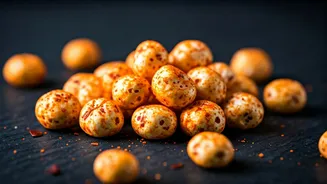
from the floor of ponds, then dried and roasted until they pop, much like popcorn. The result is a light, airy, and crunchy puff with a neutral, slightly earthy flavor. Think of it as a healthier, more nutrient-dense alternative to popcorn or potato chips. It’s naturally gluten-free, low in calories, and rich in magnesium and antioxidants, making it a perfect blank canvas for flavor.
The Global Flavor Factor
Enter peri peri. This isn't just any hot sauce flavor. The piri-piri pepper (or African Bird's Eye chili) has a complex story, originating in Africa and spread worldwide by Portuguese traders. The resulting sauce is a vibrant, tangy, and fiery blend that has become a global phenomenon, largely thanks to restaurant chains like Nando's. For Gen Z, a generation raised on global food trends and a desire for bold, interesting flavors, peri peri is both familiar and exciting. It’s not just mindless heat; it’s a specific, savory, and slightly citrusy kick that transforms the mild-mannered makhana puff into an addictive snack.
The 'Healthy-ish' Snack They've Demanded
Gen Z doesn't snack like other generations. They’re looking for options that walk the tightrope between indulgence and wellness. They want the satisfying crunch of a chip without the empty calories and greasy feeling. Peri Peri Makhana hits this sweet spot perfectly. It delivers on crunch and bold flavor while still carrying a “health halo.” It’s a snack you can eat by the handful without feeling weighed down. Brands have quickly picked up on this, marketing makhana with callouts like “plant-based protein,” “gluten-free,” and “roasted, not fried.” This isn't diet food; it's smart snacking that aligns perfectly with a generation that reads labels and values functional foods.
It’s Made for Social Media
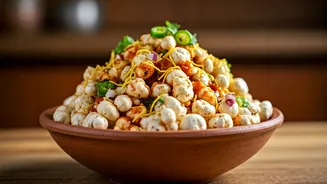
In the age of TikTok, a snack’s success is partly determined by its screen appeal. Makhana is visually interesting—an unfamiliar, puffy, and versatile ingredient. A brightly colored bowl of red-dusted Peri Peri Makhana is instantly eye-catching. It’s easy to film satisfying crunch compilations, recipe variations (like adding them to salads for texture), and taste-test videos. This creates a feedback loop: a user sees a cool-looking snack on their feed, seeks it out, and then posts their own experience. This organic, user-generated marketing is far more powerful than any traditional ad campaign, and it’s how niche foods suddenly become mainstream trends.
A Perfect Example of Cultural Fusion
This snack is more than just its ingredients; it's a story of globalization in a bag. It takes a traditional ingredient from one part of the world (India) and combines it with a celebrated flavor profile from another (Africa and Portugal). This kind of fusion resonates deeply with Gen Z, a demographic that is more globally connected and culturally curious than any before it. They don’t see food in rigid categories. For them, combining ancient Indian superfoods with iconic African-Portuguese flavors isn’t strange—it’s exciting. It represents a modern, borderless approach to food that feels authentic, creative, and delicious.