



The Abode of Clouds
Meghalaya, a name that translates from Sanskrit to “the abode of clouds,” is a sliver of a state tucked into the northeastern corner of India. For Americans accustomed to varied landscapes, it’s hard to imagine a place so thoroughly defined by one element:
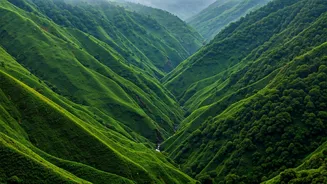
water. This region is home to some of the wettest places on Earth, with towns like Cherrapunji (also known as Sohra) and Mawsynram receiving staggering amounts of rainfall annually. This constant deluge carves the landscape, feeding a network of powerful rivers and creating a lush, emerald-green world that feels prehistoric. The air is thick with moisture, the ground is soft with moss, and the soundtrack is a constant symphony of dripping leaves and rushing water. It’s this environment—beautiful but challenging—that set the stage for one of the most remarkable examples of human and natural collaboration on the planet.
Bridges That Breathe
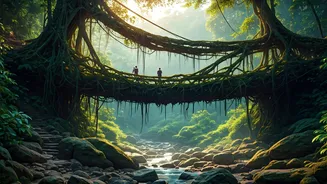
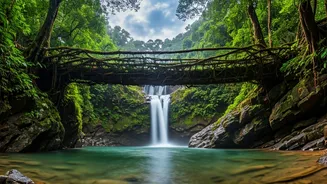
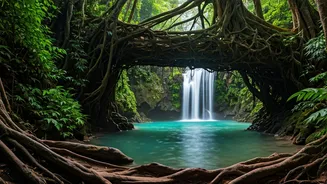
In a place where monsoons can turn a gentle stream into a raging, impassable torrent, a simple wooden bridge wouldn't stand a chance. It would rot and be washed away within a season. For centuries, the indigenous Khasi and Jaintia peoples have embraced a different solution, one born of patience and a deep understanding of their environment. They don’t build bridges; they guide them into existence. Using the secondary aerial roots of the *Ficus elastica*, or rubber fig tree, they slowly weave and train them across rivers. The roots are directed through hollowed-out betel nut trunks, which protect them as they stretch towards the opposite bank. Once they take hold, they are left to grow and strengthen. The process takes 15 to 30 years, but the result is a living structure of interwoven roots that is self-repairing and becomes stronger over time. Some of these living root bridges are over 500 years old, capable of supporting the weight of dozens of people at once. They are a breathtaking testament to a sustainable, patient form of engineering that works with nature, not against it.
A Symphony of Water
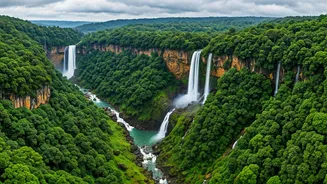
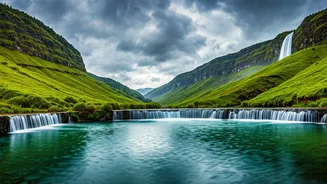
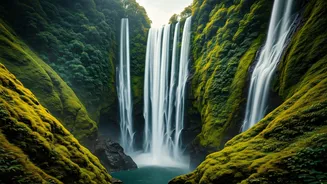
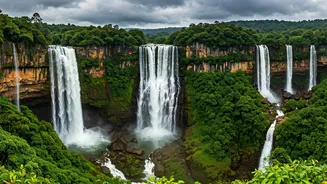
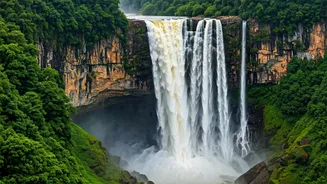
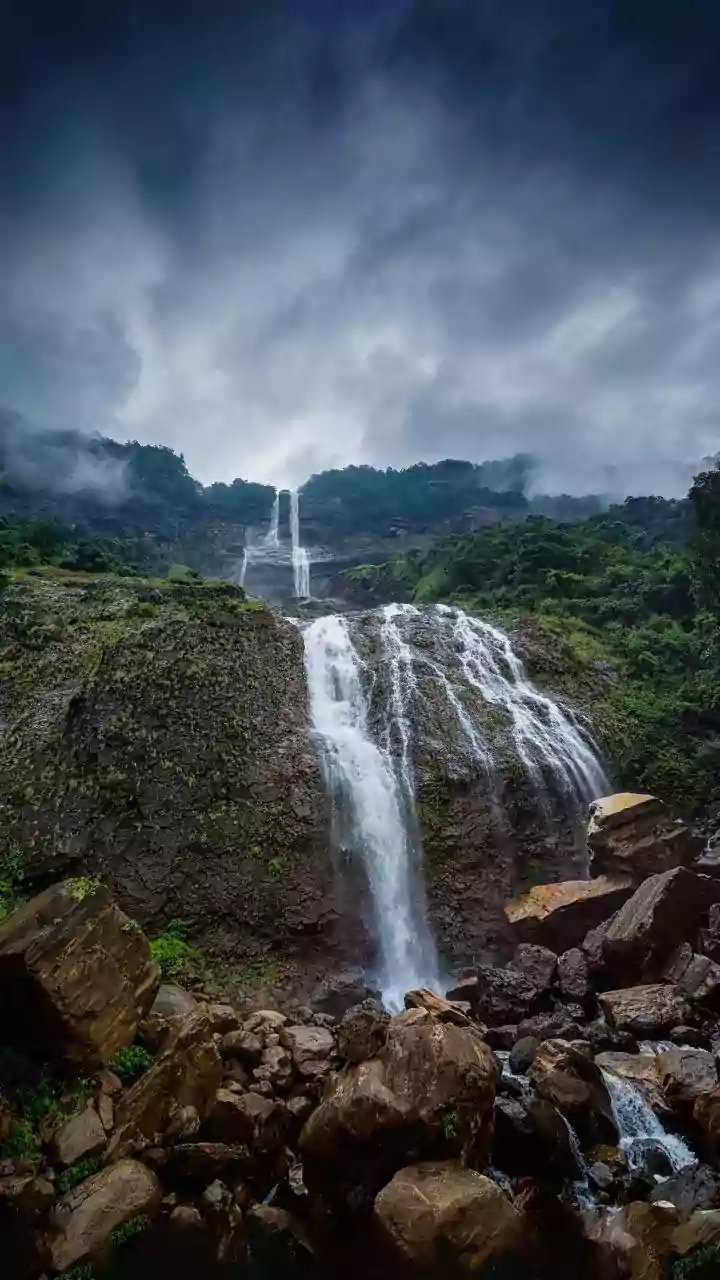
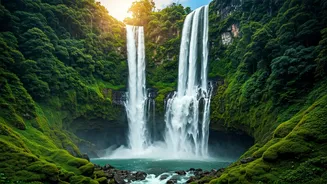
The same rain that necessitates the root bridges also feeds Meghalaya’s other signature feature: its waterfalls. They are everywhere, cascading down cliffs and hidden in deep jungle valleys. Among the most famous is Nohkalikai Falls, a dramatic single-plunge waterfall that drops over 1,100 feet into a turquoise pool below. Its name, steeped in local folklore, tells a grim tale, but its beauty is undeniable. Then there are the Seven Sisters Falls, or Nohsngithiang Falls, where seven distinct streams of water tumble side-by-side down a wide limestone cliff, creating a spectacular panorama, especially during the peak of the monsoon season. Hiking through the misty trails to discover these hidden gems is a core part of the Meghalaya experience. Each waterfall has its own character, from the thunderous and powerful to the delicate and serene, collectively making the landscape feel alive and dynamic.
A Connection to Nature
What makes Meghalaya feel so profoundly “unreal” isn't just the spectacular scenery. It’s the palpable connection between the people and their environment. The living root bridges aren't historical relics; they are still an integral part of daily life, connecting villages and allowing children to get to school. This isn't about conquering nature, but coexisting with it in a partnership that spans generations. For a visitor from the U.S., where our infrastructure is often a testament to overpowering the natural world with concrete and steel, Meghalaya offers a powerful, alternative vision. It’s a reminder that human ingenuity can be patient, organic, and deeply respectful of the environment it inhabits. The landscape is not just a backdrop for life; it is an active participant in it.