




The Power of Precision
The first thing to understand about Pilates is that it’s not about mindlessly repping through movements. It’s about intention. Every exercise is built on a set of guiding principles: concentration, control, center, breath, precision, and flow. This is what
gives the practice its 'polished' feel. Instead of just lifting a weight, you’re asked to consider every inch of the movement. How are your shoulders aligned? Is your core engaged? Are you breathing through the effort? This intense focus, originally termed 'Contrology' by founder Joseph Pilates, transforms a simple leg lift into an exercise in total body awareness. It’s the difference between shouting and delivering a perfectly articulated speech; both make a sound, but only one demonstrates mastery. This meticulous attention to form doesn’t just prevent injury—it builds deep, functional strength and creates the long, lean aesthetic many people associate with the discipline.
Building the 'Powerhouse'
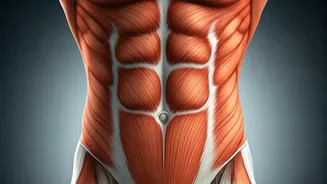
If precision provides the polish, the concept of the 'powerhouse' delivers the power. This is the term Joseph Pilates used to describe the center of the body—encompassing the abdominals, lower back, hips, glutes, and inner thighs. In Pilates, every single movement originates from this central hub. By consistently training the body to initiate from a strong, stable core, you’re not just building a six-pack; you’re creating an integrated support system for your entire musculoskeletal frame. This is where the feeling of power comes from. It’s not the explosive, temporary power of a heavy deadlift, but a quiet, constant strength that supports you in everything you do. You feel it when you stand up straighter without thinking about it, when you carry groceries with more stability, or when you can hold a challenging plank for just a little longer, feeling connected and controlled rather than shaky and strained.
More Than Just a Mat
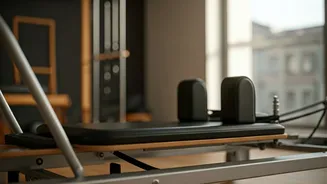
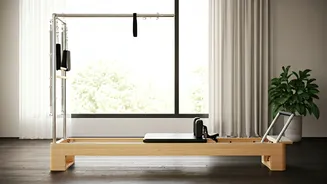
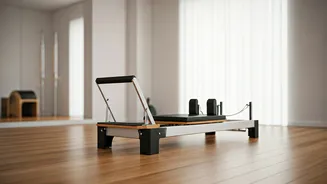
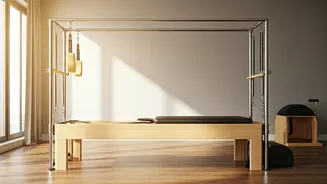
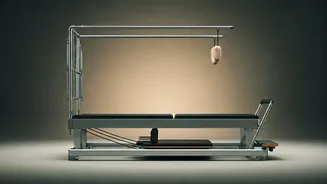
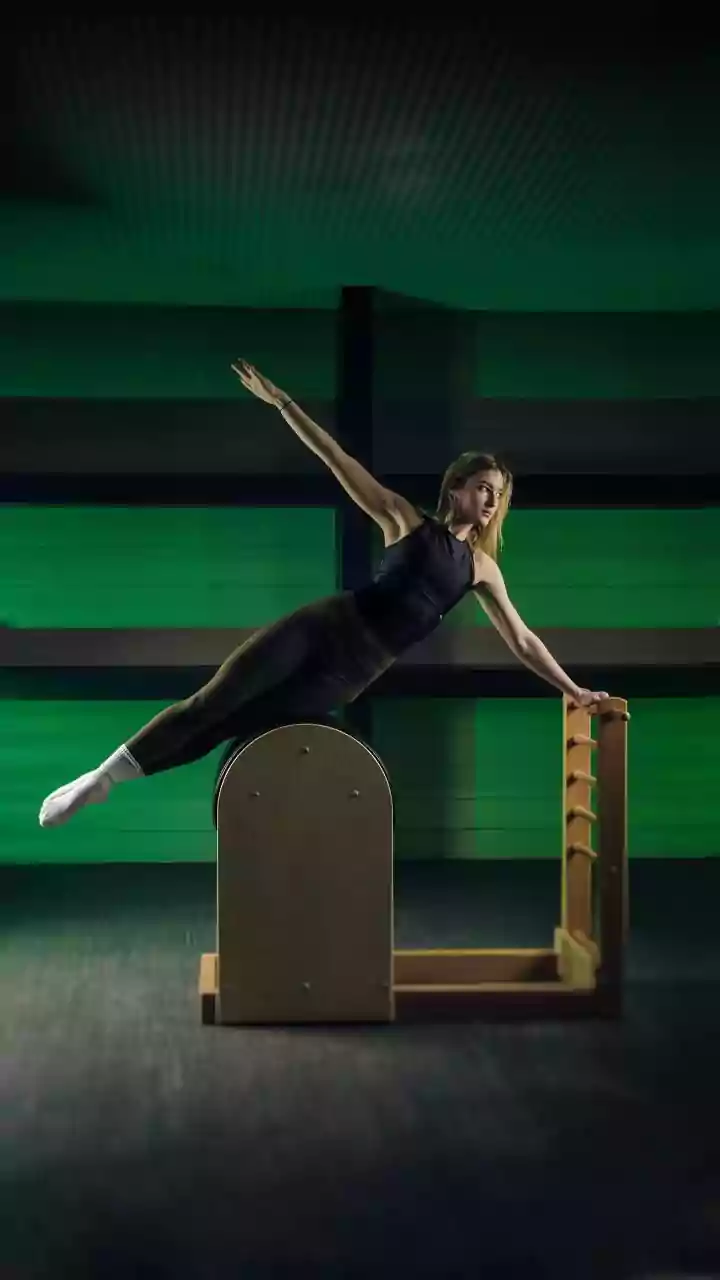
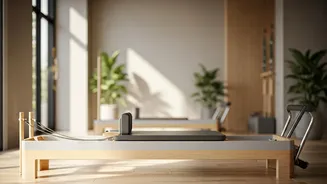
Many newcomers first encounter Pilates through mat classes, which use your own body weight as resistance. This is the foundation of the practice and is incredibly challenging in its own right. However, the world of Pilates expands dramatically with the introduction of its iconic apparatus, most famously the Reformer. The Reformer is a sliding carriage system that uses springs to create resistance. This is a game-changer. Unlike weights, which are heaviest at the start of a lift, the springs provide variable resistance, challenging your muscles through their entire range of motion—on the way out and on the way back in. This eccentric muscle contraction is key to building long, resilient strength without bulk. The machine’s springs and straps can either add challenge or offer support, making it an incredibly versatile tool for everyone from elite athletes to individuals in physical rehabilitation. It’s this blend of assistance and resistance that allows you to find deeper connections and achieve movements that might be impossible on the mat alone.
A Different Kind of Tough
Pilates challenges the modern definition of a 'tough' workout. It won’t always leave you breathless and drenched in sweat the way a HIIT class might, and that’s by design. Its difficulty lies in subtlety and control. Holding a position with perfect form, resisting the pull of a spring with grace, or moving with deliberate slowness can be far more demanding than performing a dozen crunches. The burn is deep, specific, and revealing, often highlighting muscular imbalances you never knew you had. It’s a workout for both the body and the brain, requiring a level of focus that quiets external noise and fosters a profound mind-body connection. This mental engagement is a huge part of why practitioners leave the studio feeling not just stronger, but also calmer, more centered, and unequivocally more powerful.