


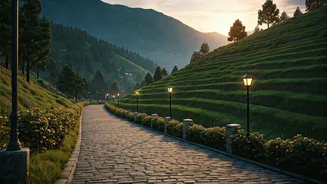
The Land of Luminous Emptiness
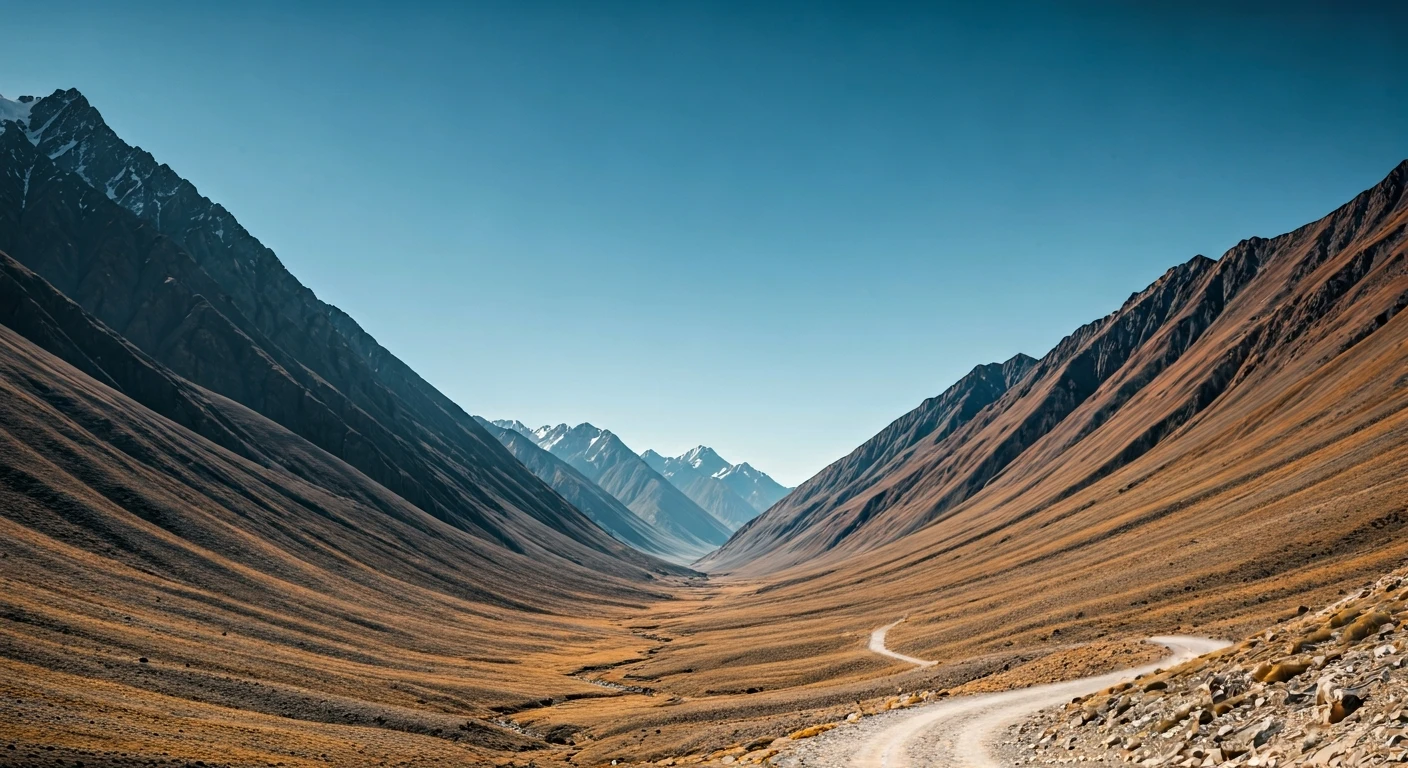
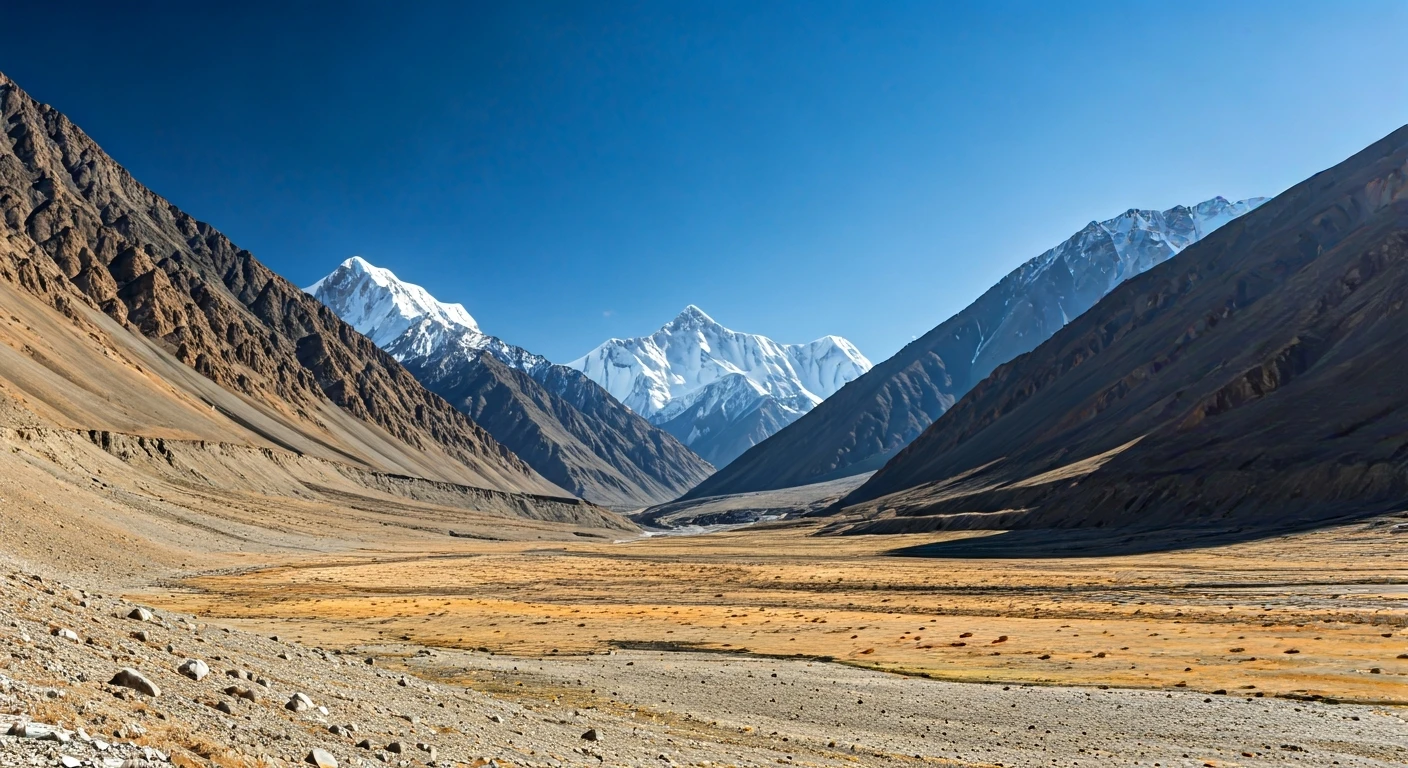
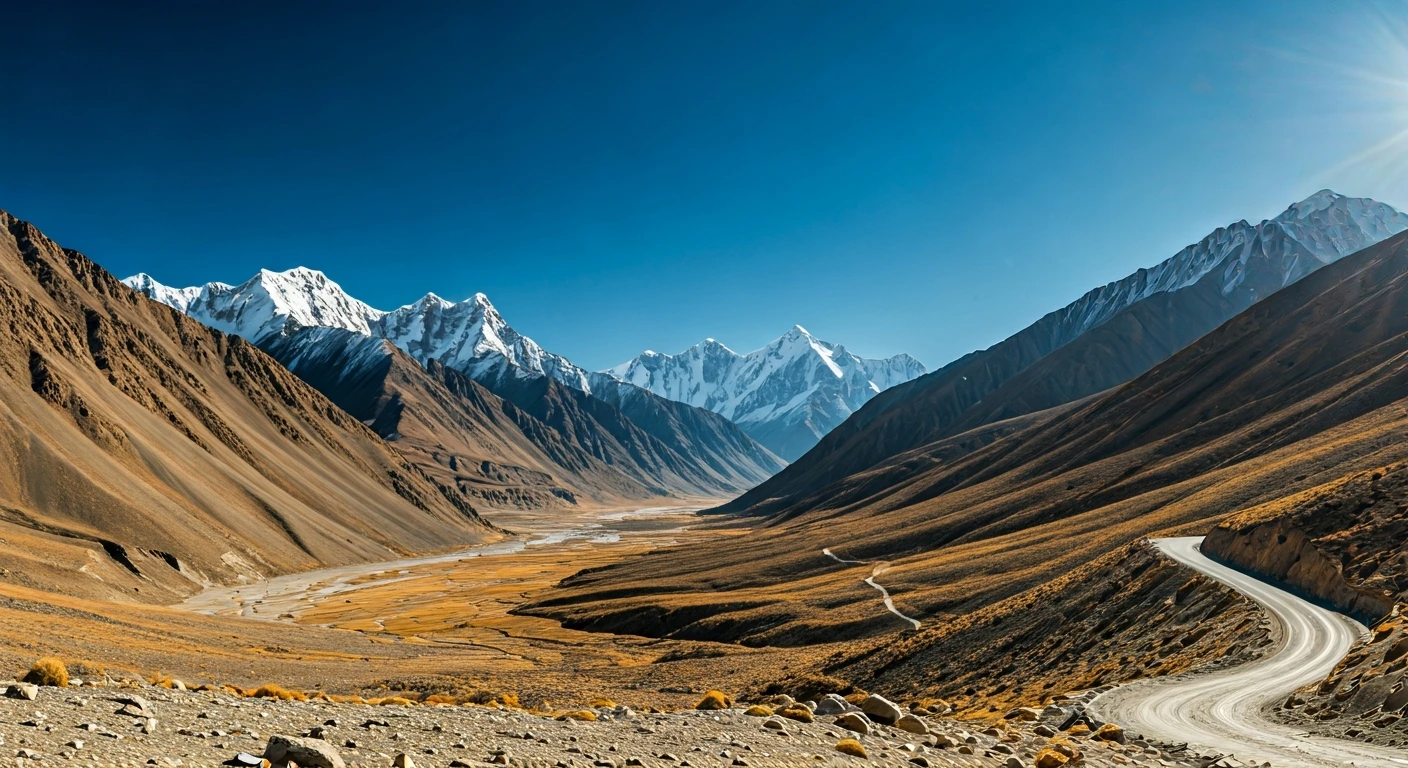
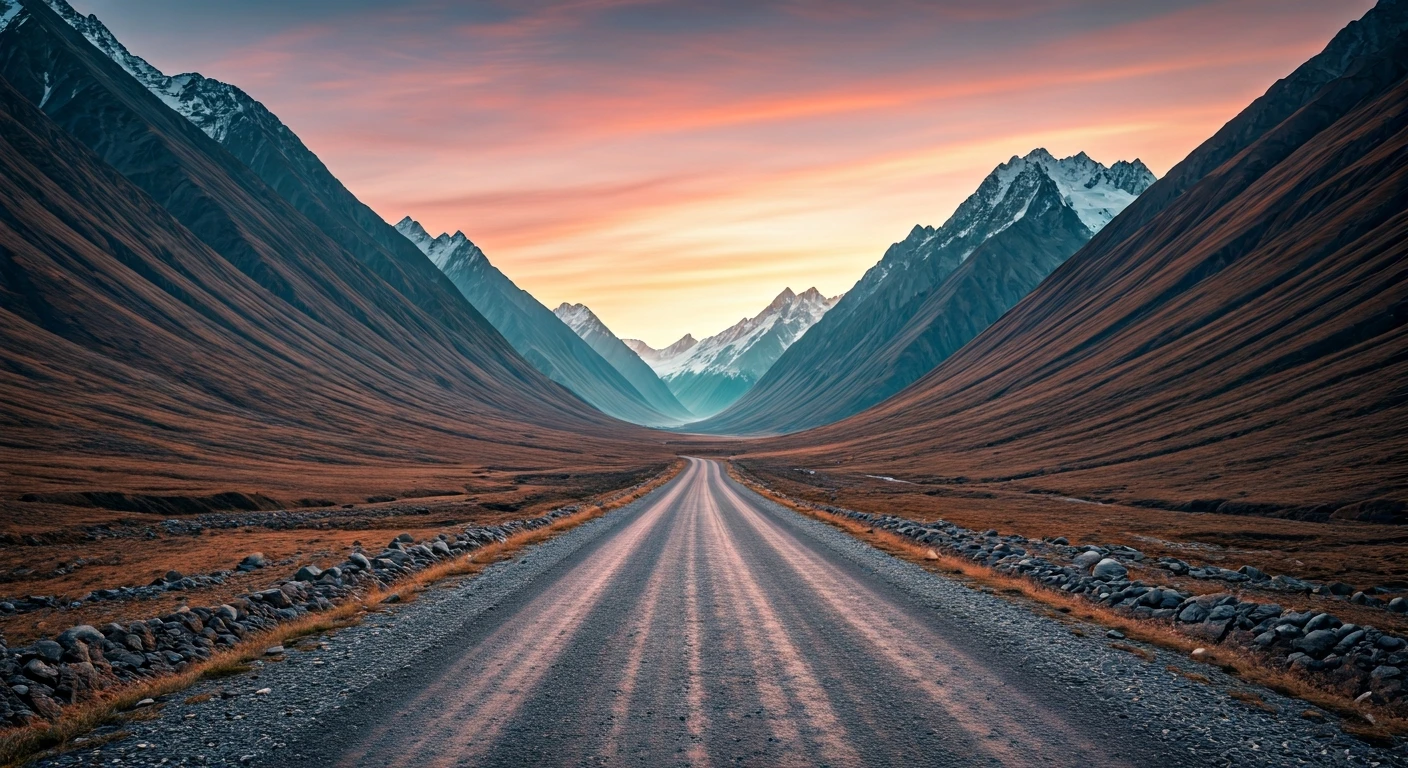
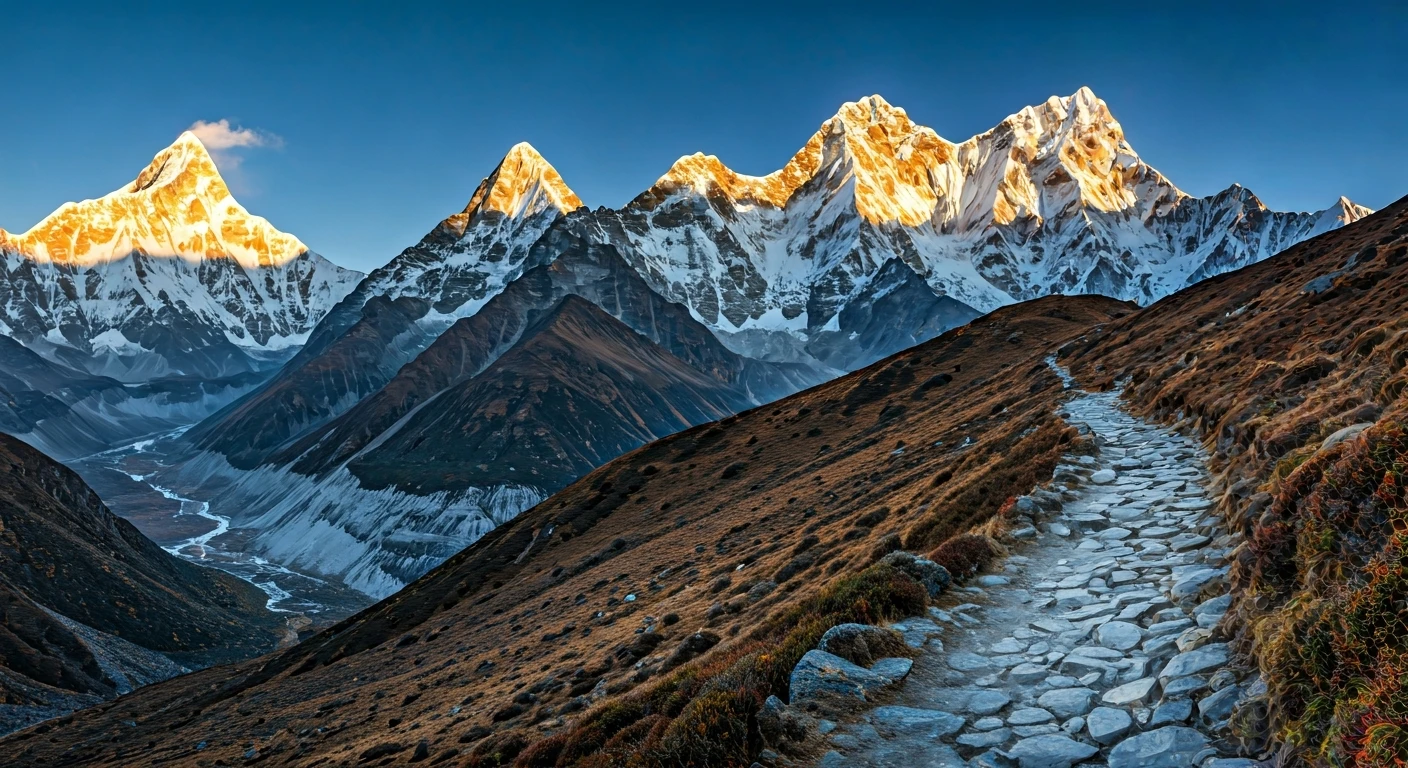
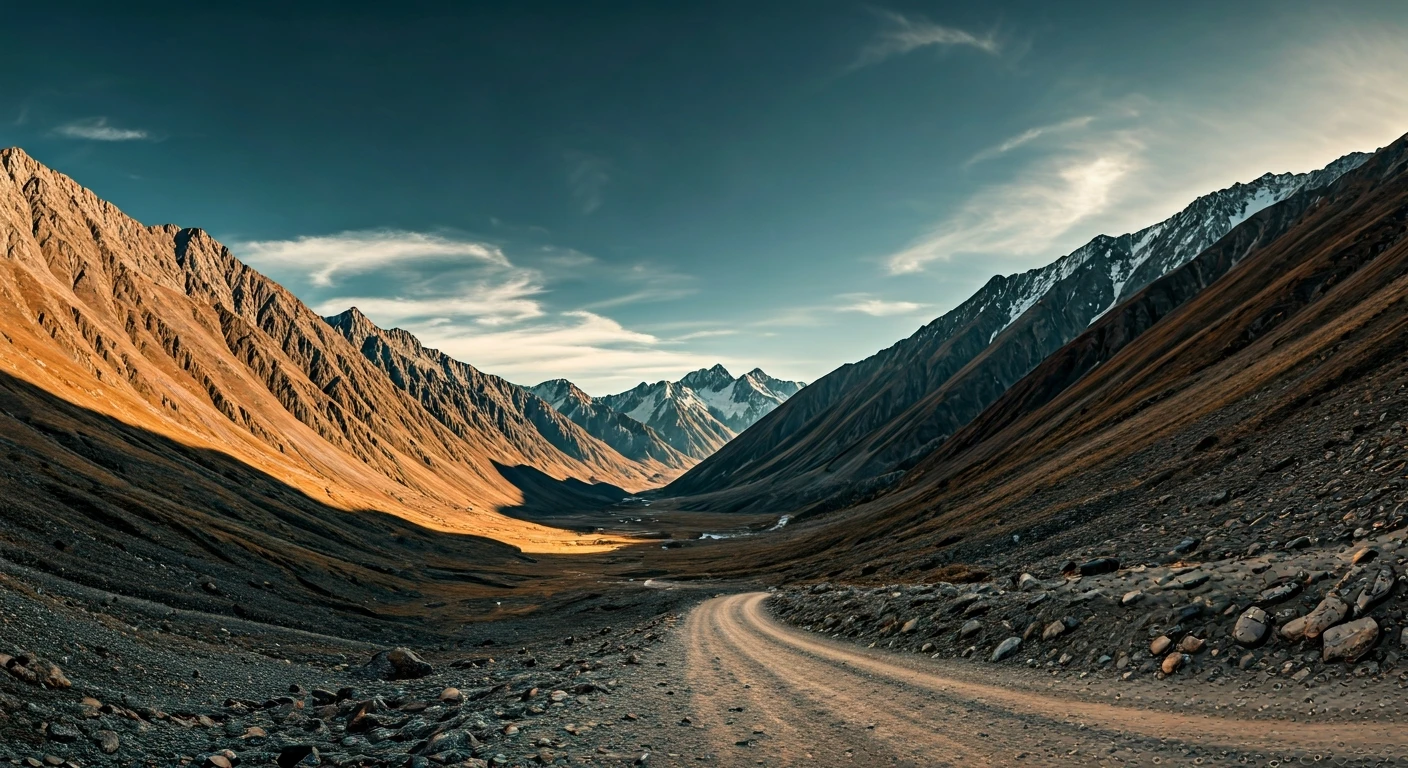
Tucked away in the northeastern corner of the Indian state of Himachal Pradesh, Spiti is often called a “cold desert.” It’s a land of breathtaking, brutalist beauty. The valley is carved by the Spiti River and walled in by towering, snow-dusted peaks
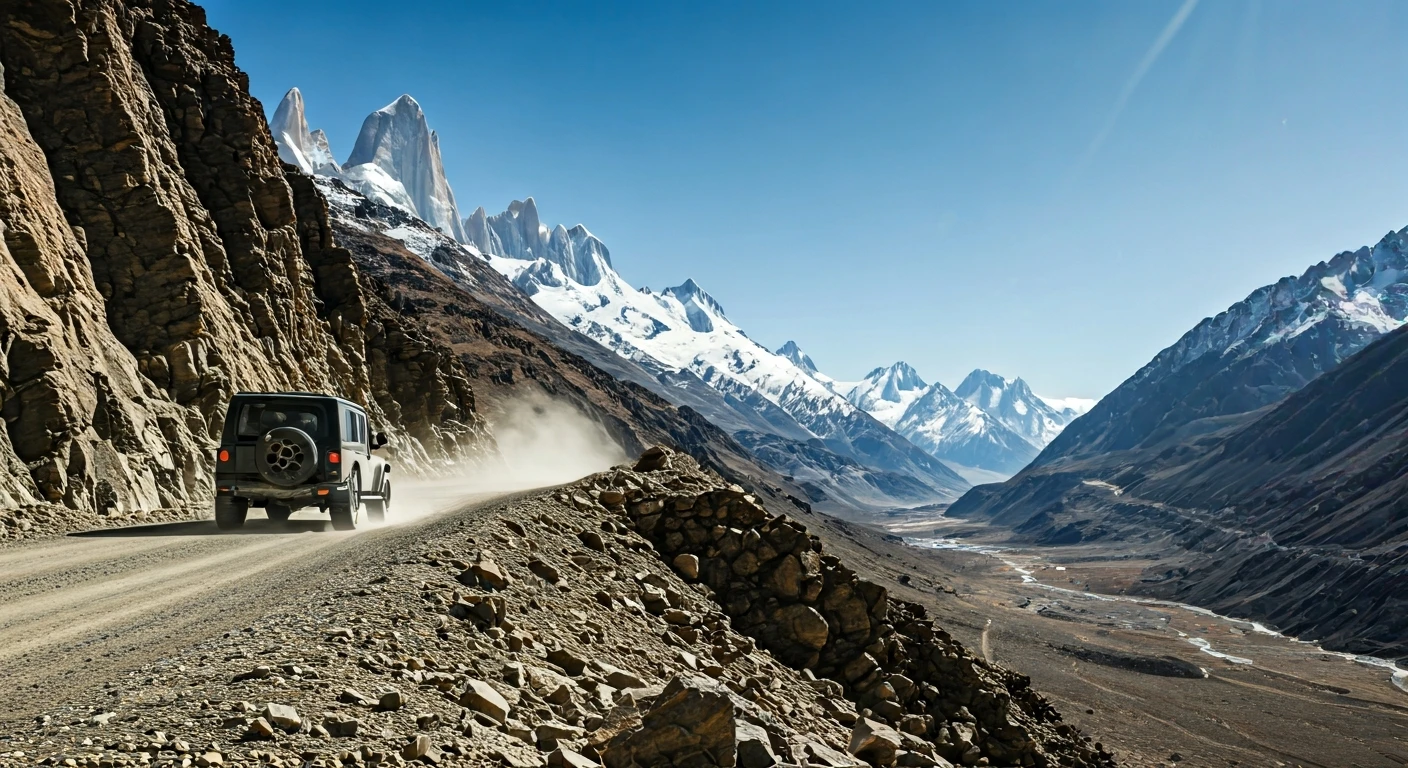
that average over 13,000 feet. The landscape is a study in minimalism: vast, barren slopes, wind-eroded rock formations, and a silence so profound you can almost hear the blood moving in your ears. Unlike the lush, green valleys many associate with the Himalayas, Spiti is stark and arid. The air is thin, the sun is sharp, and the views are endless. This isn't just a place you see; it's a place you feel in your lungs and on your skin. The journey itself, often over some of the world's highest mountain passes, is an integral part of the experience, stripping away the noise of modern life long before you even arrive.
Chasing the High-Altitude Sun
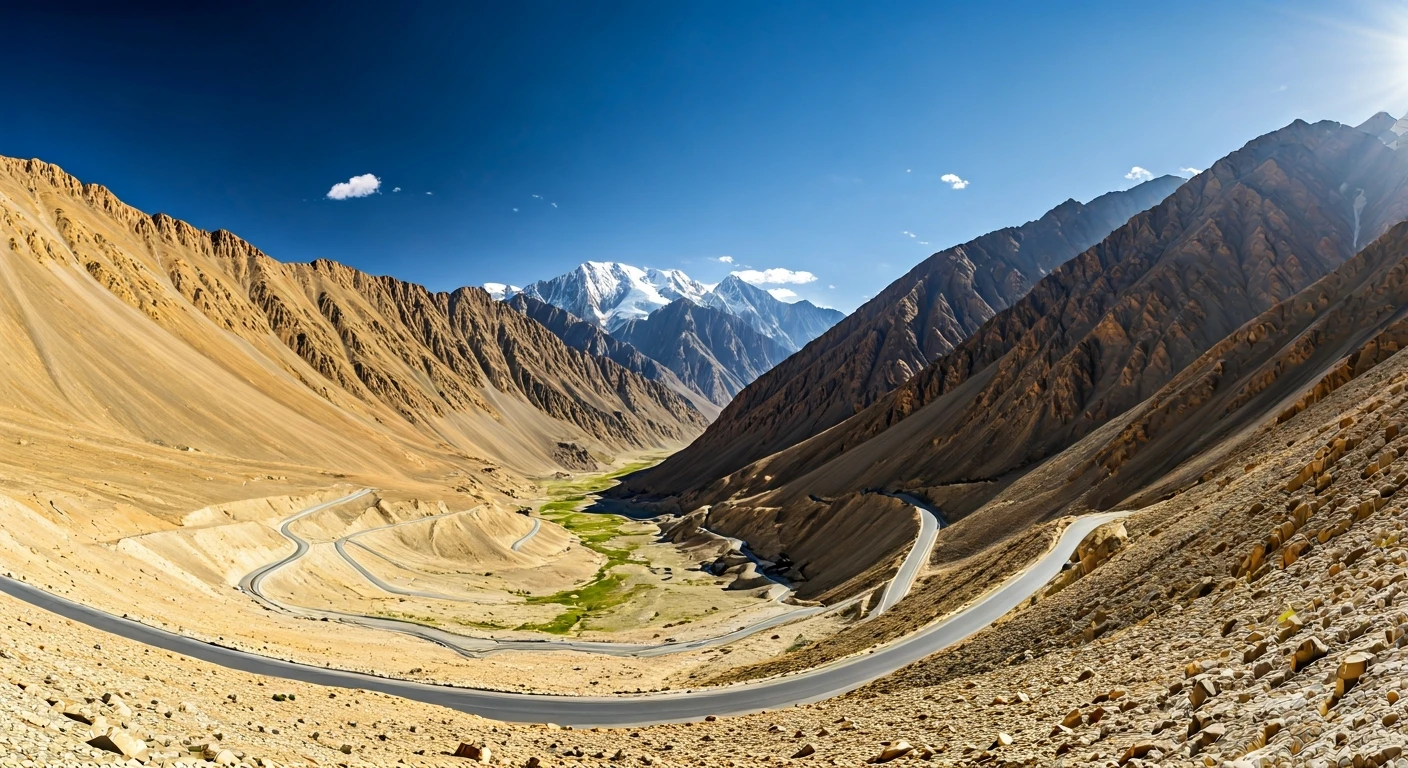
The “sunny days” in Spiti are unlike anywhere else. Because the valley sits in a rain shadow, it receives scant rainfall, resulting in over 300 days of brilliant sunshine a year. But this isn’t the hazy, humid sun of a beach vacation. It’s a crystalline, high-definition light that makes every detail of the landscape pop with startling clarity. The sun casts deep, dramatic shadows across the mountainsides, changing the scenery hour by hour. It illuminates the whitewashed walls of ancient monasteries clinging precariously to cliffsides and glints off the turquoise waters of the river below. This powerful sun, combined with the cold, dry air, creates a unique sensory experience. It warms your face while the wind keeps a chill on your back, a constant reminder that you are in a place of beautiful extremes.
A Ceiling of a Million Stars
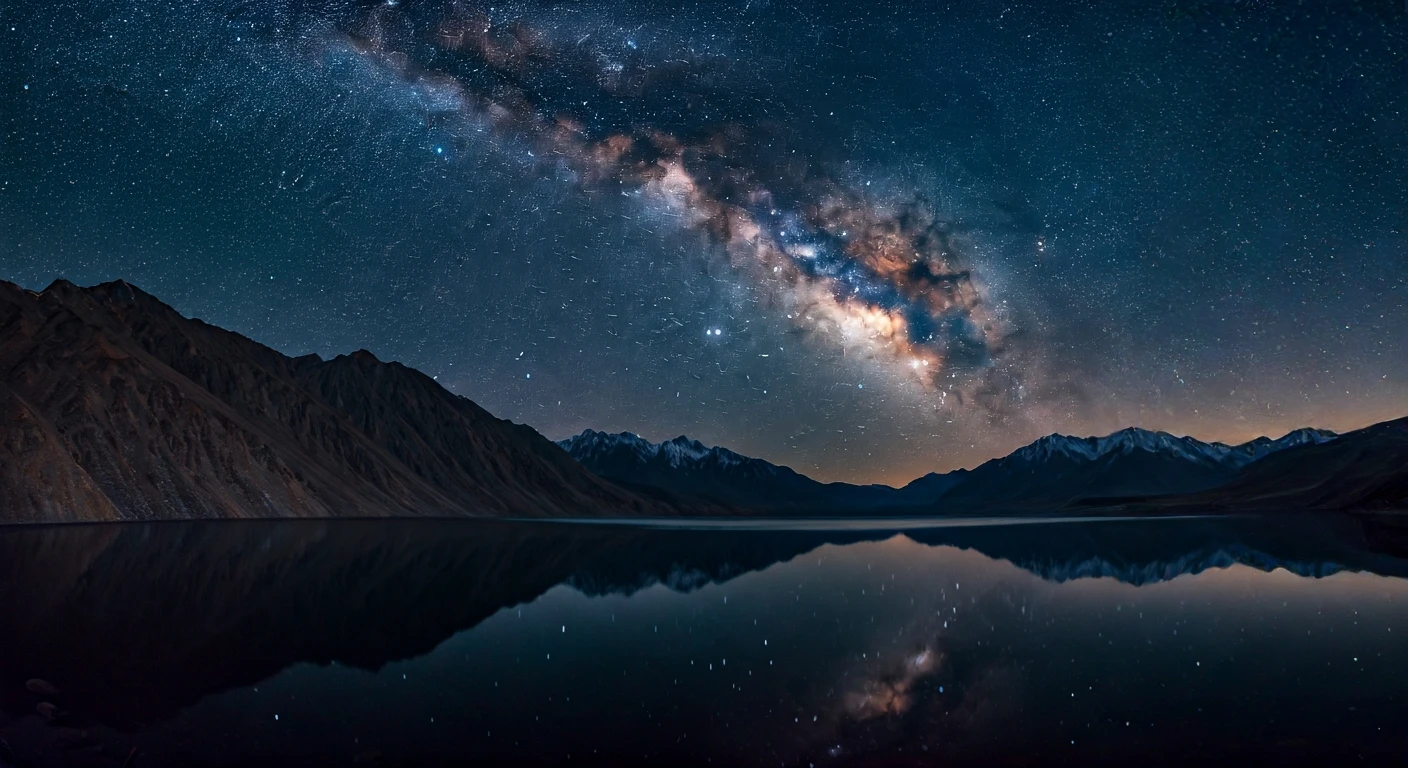
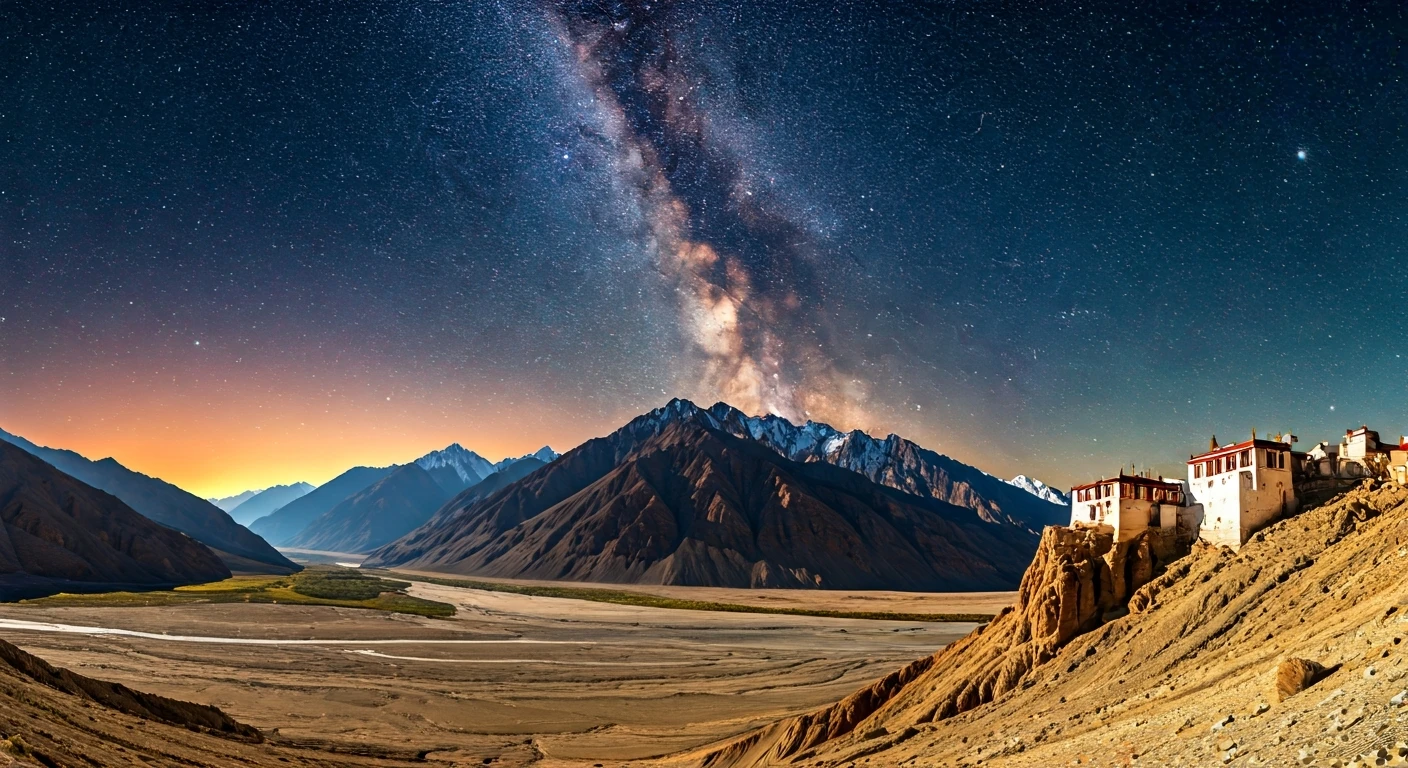
If the days in Spiti are spectacular, the nights are simply transcendent. When the sun dips below the jagged horizon, the real show begins. At this altitude, with virtually zero light pollution and a dry atmosphere that doesn't cloud the view, the cosmos reveals itself in staggering detail. The sky becomes a deep, velvety black, punctured by a seemingly infinite number of stars. The Milky Way isn’t a faint, ghostly band; it’s a brilliant, textured river of light that stretches from one end of the sky to the other. Constellations appear brighter, shooting stars are a common sight, and the sheer scale of the universe feels both humbling and immediate. It’s no wonder Spiti has become a bucket-list destination for astrophotographers and stargazers. Lying on your back and looking up into that celestial ocean is a core memory waiting to happen.
More Than Just a Landscape
For all its geological grandeur, Spiti’s soul lies in its culture. This is a region where Tibetan Buddhism has flourished for over a thousand years, sheltered by the mountains from the outside world. The valley is dotted with some of the oldest and most significant monasteries in the Buddhist world, like the Key Gompa, a fantastical fortress-like structure perched on a conical hill, and the Tabo Monastery, a UNESCO World Heritage site known as the “Ajanta of the Himalayas” for its ancient murals. These are not museum pieces; they are living centers of faith. You’ll hear the deep chant of monks, see prayer flags fluttering their blessings into the wind, and meet the warm, resilient Spitian people, whose lives are deeply intertwined with the harsh but beautiful land they call home. This human element gives the valley its heart, turning a scenic trip into a profound cultural journey.