


An Enduring, Simple Pleasure
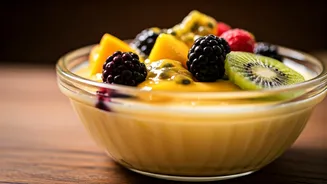
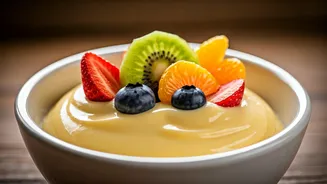
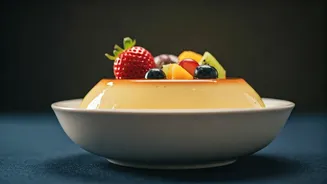
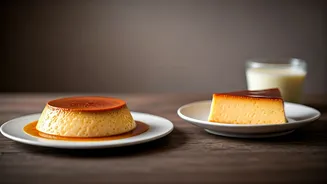
Before we go any further, what exactly are we talking about? Unlike a rigid cheesecake or a finicky soufflé, fruit custard is beautifully ambiguous. At its core, it’s a simple marriage of dairy, eggs, sugar, and fruit. For some, it’s a baked dish, with
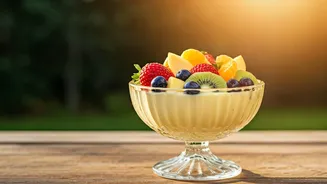
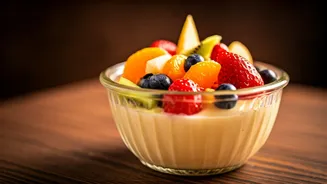
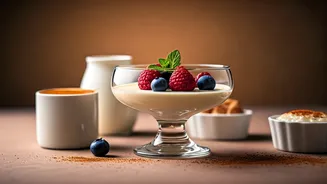
silky custard setting gently around poached pears or tender berries. For others, it’s a stirred, pourable crème anglaise lovingly spooned over a fresh fruit salad. It can also be the glorious, wobbly heart of a layered English trifle, soaking into sponge cake alongside sherry and jam. This versatility is key to its charm. There is no single, authoritative recipe. It’s a culinary concept, adaptable to whatever fruit is in season and whichever recipe card has been passed down through the family. It’s the opposite of intimidating, making it the perfect dessert for cooks of all skill levels.
A Direct Line to Nostalgia
For many Americans, fruit custard isn't just a dessert; it’s a time machine. It evokes memories of church potlucks, Sunday dinners at Grandma’s house, and the specific floral-patterned Pyrex dish it was always served in. This dish was a staple of mid-century American home cooking, a testament to a time when making something delicious from a few simple, affordable ingredients was a point of pride. In the post-war era, when home economics reigned and families gathered around the dinner table, custard was a reliable crowd-pleaser. It was wholesome, comforting, and could stretch a budget. Its re-emergence today taps directly into that deep well of nostalgia, offering a taste of what feels like a simpler, more connected time.
The Search for Comfort
It’s no coincidence that this revival is happening now. In times of economic uncertainty and social anxiety, we collectively crave comfort. And what’s more comforting than a warm, creamy, sweet spoonful of something your grandmother might have made? Food trends often mirror the cultural mood, and the current turn towards unpretentious, soul-soothing dishes is a powerful one. While food media might celebrate complex techniques and exotic ingredients, what people are often cooking at home is far simpler. The return of fruit custard, like the sourdough craze before it, is part of a larger movement towards 'domestic coziness.' It's about finding joy and stability not in expensive restaurants or elaborate projects, but in the small, achievable act of making something nourishing for the people you love.
Updated for a Modern Palate
This comeback isn't just about dusting off a 1950s cookbook. Today’s home cooks are putting their own spin on the classic. The fundamental technique remains, but the ingredients are getting an upgrade. Instead of canned fruit cocktail, you’re more likely to see roasted rhubarb, fresh figs, or a tropical mix of mango and passionfruit. Heavy cream might be swapped for coconut milk, and refined sugar for maple syrup or honey. High-quality vanilla bean paste replaces watery extract. These modern touches elevate the dessert from a simple sweet to something more refined, yet it never loses its essential, comforting character. It proves that classic recipes don't have to be museum pieces; they can be living, evolving traditions.
The Ultimate All-Ages Dessert
Perhaps the most compelling reason for fruit custard’s staying power is its universal appeal. It’s the rare dish that truly works for everyone at the family table. Its soft texture makes it perfect for toddlers just learning to eat and for older relatives who might have difficulty with hard or chewy foods. It’s naturally gluten-free (when not part of a trifle) and easily adaptable for various dietary needs. More importantly, it’s a dish that invites collaboration. Kids can help whisk the custard or arrange the fruit. It’s a low-stakes, high-reward kitchen project that builds confidence and creates memories—which, in the end, is what family food is all about.