







The New Weather Whiplash
For generations, travel planning involved a simple weather calculation: sun or snow? But climate change is introducing a new, more volatile element to the equation. We’re not just talking about a stray shower ruining a beach day. We’re talking about systemic
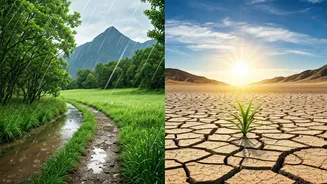
shifts in weather patterns that can render a destination unrecognizable or inaccessible. Atmospheric rivers on the West Coast, prolonged droughts drying up iconic European rivers, and more intense hurricane seasons in the Atlantic are no longer abstract news items; they are concrete risks that travelers must now weigh. This weather whiplash—swinging between too much water and not enough—has moved from the science section to the travel-planning spreadsheet.
When the Main Attraction Dries Up
On one end of the spectrum is drought. Destinations built around magnificent water features are losing their primary draw. Think of houseboating on Lake Powell or Lake Mead, where record-low water levels have revealed long-submerged landscapes but also closed boat ramps and turned watery canyons into dusty valleys. In Europe, low water levels on the Rhine and Danube rivers have disrupted popular river cruises, forcing companies to transport passengers by bus between stretches of navigable water. The iconic Victoria Falls has shrunk to a trickle at times, and canals in Venice have run dry. Travelers who booked trips expecting lush, water-filled vistas are increasingly arriving to find a much drier, and less appealing, reality.
The Deluge Dilemma
The opposite problem is just as disruptive. An excess of water, often arriving in sudden, destructive bursts, is making travelers rethink traditional vacation spots. The Caribbean and U.S. Gulf Coast have always had a hurricane season, but scientists note that storms are intensifying more rapidly and dropping more rain. This extends the “risk period” and makes booking a trip feel like a gamble. Similarly, destinations in Southeast Asia known for their monsoon seasons are seeing more erratic and extreme rainfall, leading to flash floods and landslides that can wash out roads and trap tourists. Even destinations like Vermont have seen entire towns devastated by summer floods, a stark reminder that no region is entirely immune from the risk of too much water, too quickly.
How Smart Travelers Are Adapting
Faced with this uncertainty, savvy travelers are changing their strategies. The first line of defense has become robust travel insurance. More people are scrutinizing policies to ensure they have “cancel for any reason” coverage, which provides an out if a destination’s weather forecast turns dire. Second is a shift in timing. The concept of the “shoulder season”—the period just before or after peak season—is becoming more popular, not just for lower prices, but as a hedge against the most extreme weather months. Finally, travelers are building more flexibility into their itineraries. Instead of banking an entire trip on a single outdoor activity like skiing or snorkeling, they’re choosing destinations with a diverse range of indoor attractions, like museums, great restaurants, and cultural sites, as a built-in backup plan.
The Rise of 'Climate-Proof' Vacations
A new category of travel is emerging from this climatic chaos: the search for the “climate-proof” vacation. This isn’t about finding a place with no weather, but rather a place with historically stable and predictable weather. Destinations in the temperate latitudes, away from major storm tracks and drought-prone regions, are gaining appeal. Think of the Great Lakes region, parts of Canada, or Scandinavia in the summer. These places offer pleasant conditions without the high-stakes risk of a trip-ruining weather event. This mindset marks a fundamental shift from choosing a destination based on what you want to do, to choosing it based on what the climate will reliably let you do.