

More Than Just Thrifting
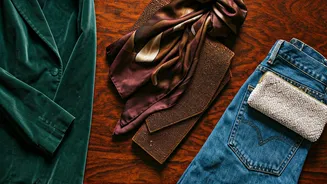
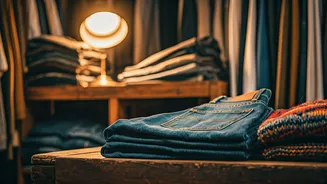
Walk past a group of stylish twenty-somethings today, and there’s a good chance their outfits didn’t come from a mall. That perfectly worn-in band tee? A lucky find from a Goodwill bin. Those unique, wide-leg jeans? Probably a men’s section discovery,
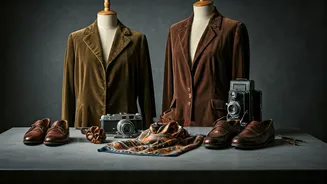
tailored with a safety pin. This isn't just about saving money. For Gen Z, the world’s largest and most diverse generation, secondhand clothing is a cornerstone of a new fashion philosophy. It's a creative and ethical rebellion against the endless, homogenous cycle of fast fashion that defined the millennial shopping experience. The goal isn't just to wear old clothes; it's to curate, customize, and combine them into something that feels entirely personal and completely new.
The Digital Treasure Hunt
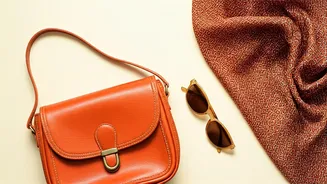
While the classic neighborhood thrift store remains a sacred space, Gen Z’s hunt for pre-loved gems is predominantly digital. Platforms like Depop, Poshmark, and even Instagram have become bustling marketplaces where individual style reigns supreme. Unlike the anonymous racks of a department store, these platforms are social. Sellers model their own clothes, building personal brands around their aesthetic, whether it's '90s grunge, Y2K glam, or cottagecore. Buyers aren't just purchasing a garment; they're buying into a curated look, often from a peer they trust. This digital ecosystem makes it possible to hunt for hyper-specific items—a vintage Coach bag from 1998, a specific style of Levi's—from anywhere in the country, turning the entire internet into one massive, searchable closet.
The Art of the Upcycle
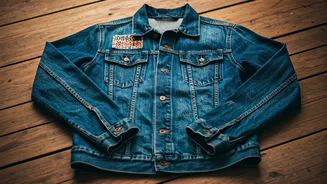
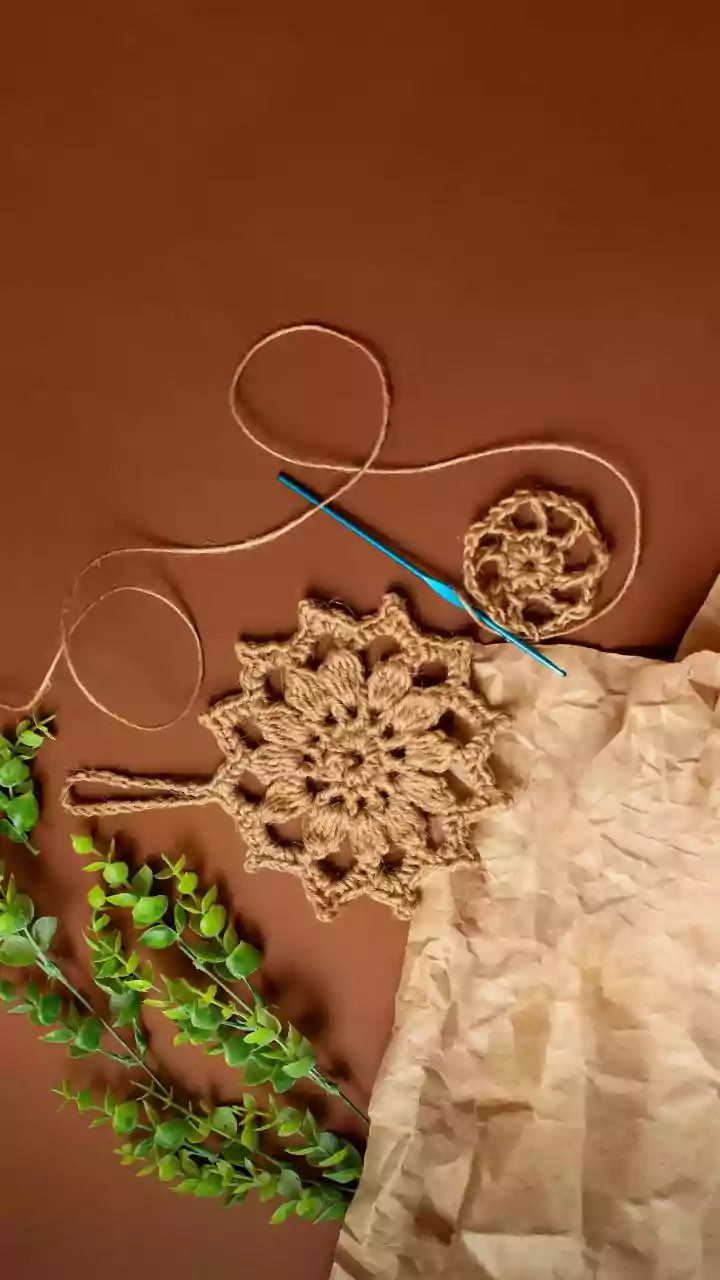
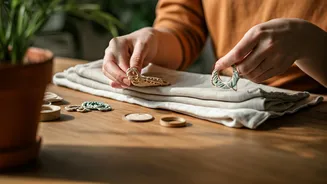
Here's where the magic really happens. Finding a great piece is only step one. The real creativity lies in the transformation. For Gen Z, a pair of scissors, a needle and thread, or some fabric dye are tools as essential as a credit card. A boring oversized sweatshirt can be cropped and given a new cinched hem. A pair of drab jeans can be embroidered with flowers or bleached into a new pattern. A men’s button-down can be turned into a two-piece set. TikTok and YouTube are filled with tutorials for these transformations, empowering a generation to see not what a piece of clothing *is*, but what it *could be*. This DIY ethos, known as upcycling, treats clothes as a medium for self-expression, making the wearer a co-creator of their own style.
An Antidote to 'The Algorithm'
So, why is this happening now? Part of it is a powerful reaction against the culture of consumption. Having grown up with the internet, Gen Z is acutely aware of the environmental and ethical baggage of the fast-fashion industry—the water waste, the carbon emissions, the poor labor conditions. Choosing secondhand is a tangible, everyday act of sustainability. But there’s a deeper, more personal driver: the search for authenticity. In a world where social media algorithms push the same five trendy items to everyone simultaneously, building a wardrobe from unique, pre-loved pieces is a way to opt out. It’s a declaration of individuality, proving that your style can’t be bought off a mannequin or replicated with a single click. It’s a slow, thoughtful process in a world that demands speed.